Understanding Tahara: Jewish Burial Preparation Explained
In Jewish tradition, the moments between death and burial are considered some of the most sacred in a person's spiritual journey.
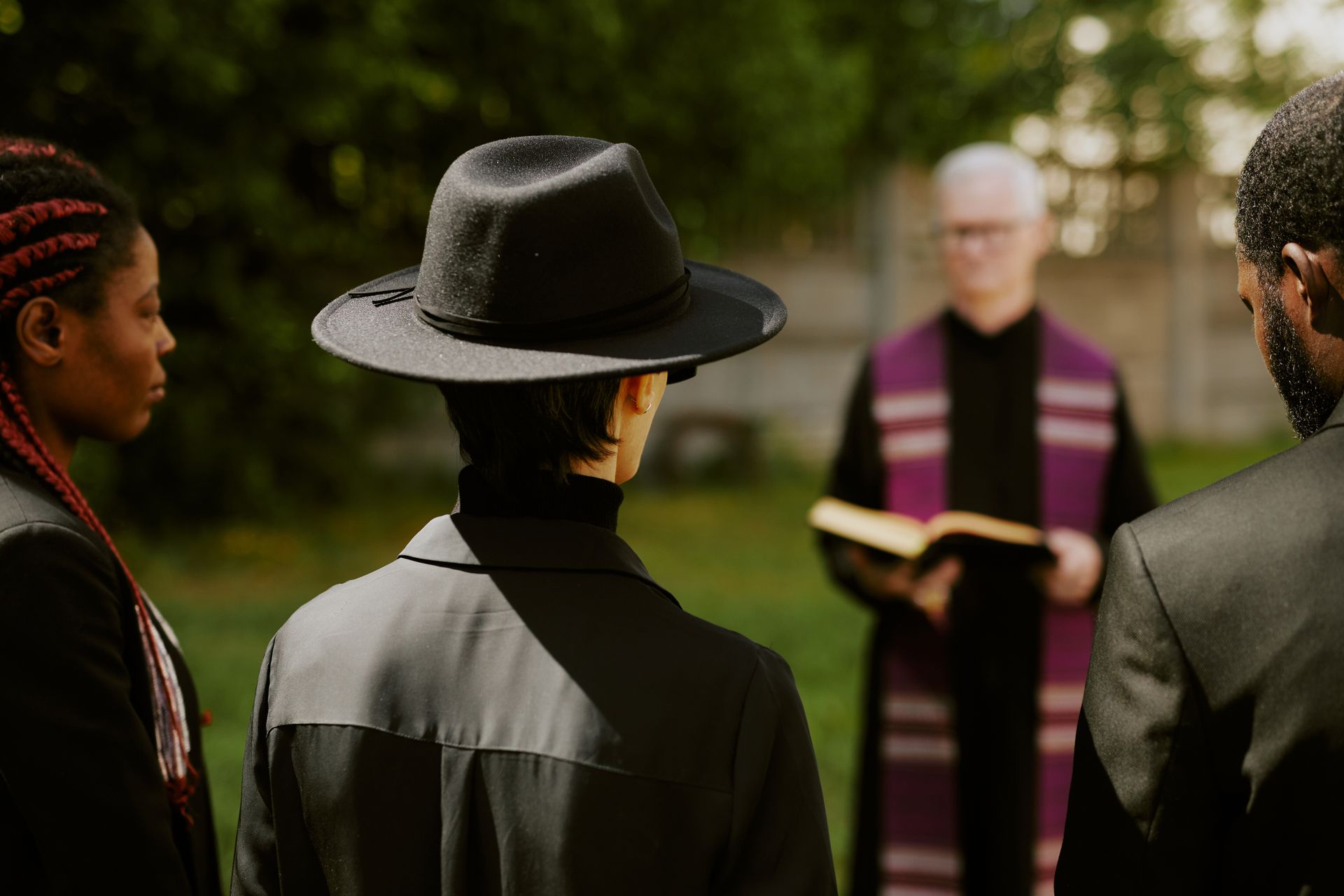
Among the most meaningful of these rituals is Tahara, the ceremonial preparation of the body before burial. For families in Fort Lee and across the Tri-State Area, understanding Tahara can bring comfort and clarity during a difficult time. This ancient practice reflects the deep Jewish belief that every human being deserves dignity, purity, and respect, even after life has ended.
What Is Tahara?
The word Tahara comes from the Hebrew root meaning "purification." It refers to the ritual cleansing, washing, and dressing of the deceased in preparation for burial. The practice is performed by a Chevra Kadisha, or sacred burial society, whose members are trained volunteers or professionals committed to honoring the dead according to Jewish law.
Tahara is more than a physical act. It is a spiritual passage that prepares the soul for its return to the Creator. Every step is carried out with reverence, silence, and prayer, ensuring that the deceased is treated with the same dignity they were shown in life. Many families find deep comfort knowing that their loved one has been cared for through this sacred process.
The Spiritual Meaning Behind Tahara
Judaism teaches that the body is a vessel that once housed a holy soul. Because of this belief, the body is treated with the utmost respect even after death. Tahara is rooted in the idea that just as a person enters the world clean and pure, they should leave it in the same way.
This belief connects to broader Jewish funeral customs that emphasize simplicity, equality, and humility. Whether a person was wealthy or modest in life, they are prepared for burial in the same manner. There are no distinctions in dress, no elaborate decorations, and no displays of status. This equality reflects one of Judaism's most profound teachings, that all people are equal before God.
The Steps of the Tahara Ritual
While the specific practices may vary slightly between communities, the core elements of Tahara remain consistent across Jewish tradition. The ritual is typically carried out in three main stages.
Cleansing the Body
The first stage involves gently washing the body to remove any physical impurities. This is done with great care and modesty, with the body always covered as much as possible. Members of the Chevra Kadisha recite prayers throughout, asking for forgiveness from the deceased for any unintentional disturbance and offering blessings for the soul's journey.
Ritual Purification
Following the cleansing, the body undergoes the purification itself. A continuous stream of water, traditionally around nine kavim, is poured over the body. This act symbolizes spiritual renewal and the soul's return to its pure state. The ritual is performed in silence, with only the necessary prayers spoken aloud.
Dressing in Tachrichim
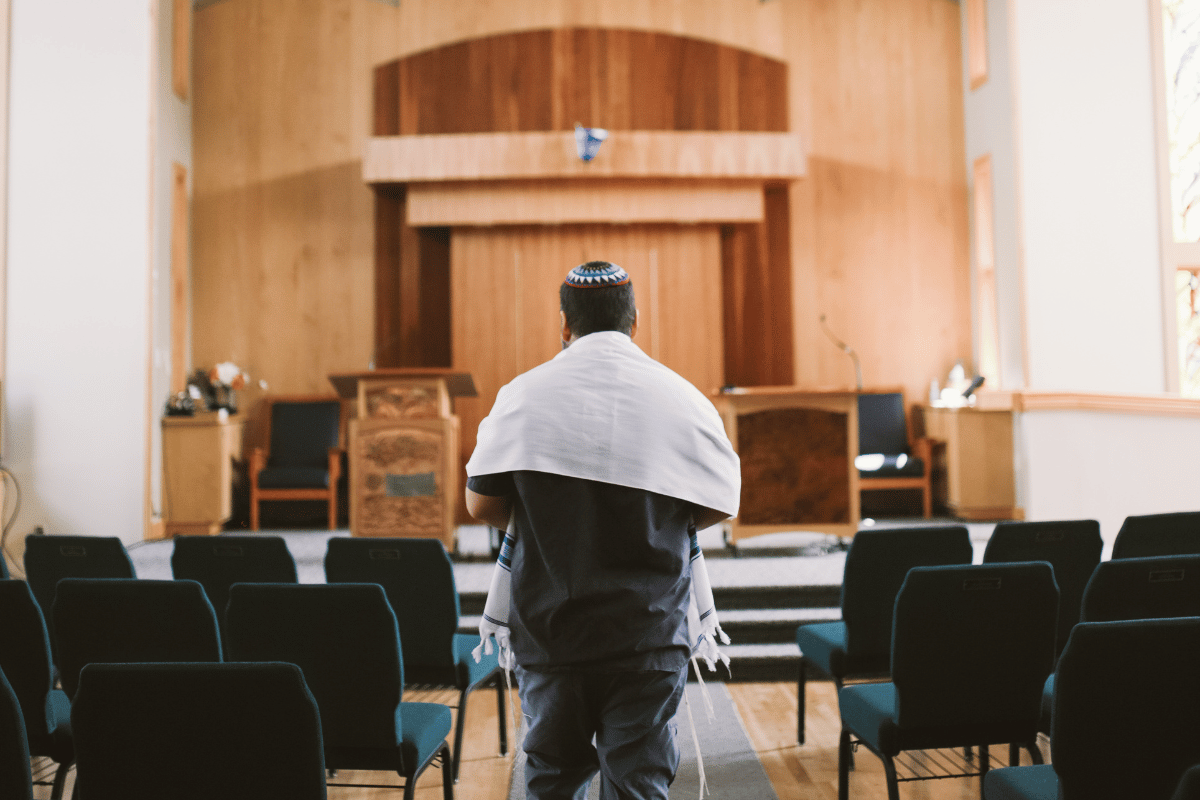
After purification, the body is dressed in tachrichim, simple white burial garments made of linen or cotton. These plain shrouds are identical for everyone, regardless of social standing. Men are also wrapped in their tallit, the prayer shawl they used during their lifetime, with one of the fringes traditionally rendered invalid to signify that the obligations of mitzvot have ended.
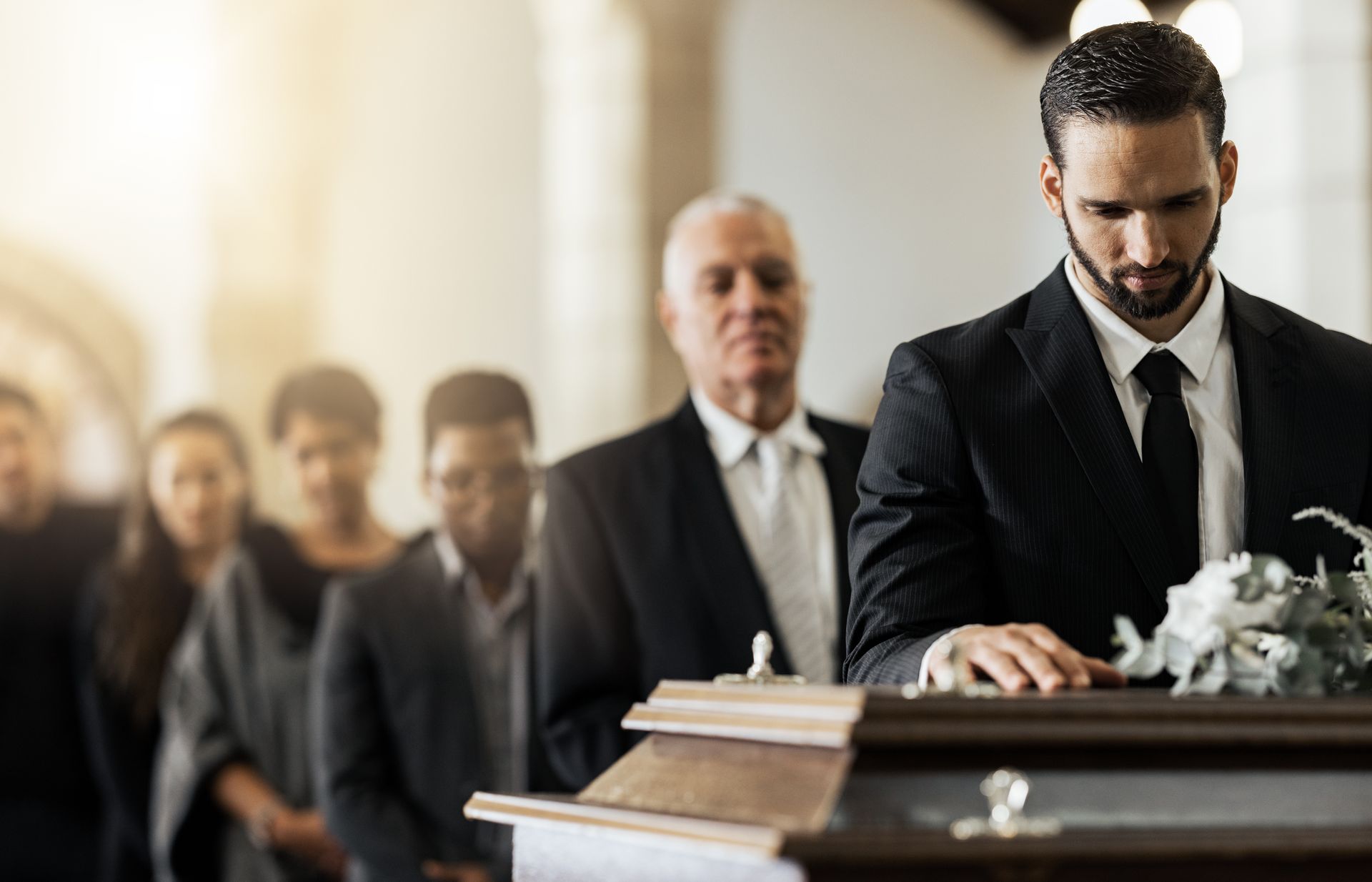
The body is then placed in a plain wooden casket, free of metal or ornate decoration. This simplicity reflects the belief that the body should return naturally to the earth, fulfilling the verse, "For dust you are, and to dust you shall return."
The Role of the Shomer
Following Tahara, the deceased is never left alone until burial. A shomer, or guardian, remains with the body, reciting Psalms and offering prayers. This practice provides spiritual companionship for the soul as it transitions from this world to the next. Families often find solace in knowing that their loved one is accompanied through every moment of this sacred period.
For families seeking traditional Jewish funeral services, Tahara and Shomer are essential components that honor both the deceased and the timeless customs of Jewish observance.
Why Tahara Matters Today
In a world that often moves quickly, Tahara reminds us to pause and acknowledge the sanctity of life and death. It offers families a way to honor their loved ones through rituals that have been observed for thousands of years. For many, participating in or arranging Tahara becomes a meaningful expression of faith, love, and continuity.
Tahara also brings comfort to those left behind. Knowing that a parent, spouse, or relative has been cared for with such tenderness can ease the weight of grief. It transforms the act of burial into a final mitzvah, a sacred deed performed not for recognition, but out of pure love and respect.
Compassionate Guidance Through Every Step
Understanding Tahara is one of the first steps toward planning a meaningful Jewish funeral. Families may also benefit from learning about what to do when a death occurs, including the timeline of arrangements, notifying loved ones, and coordinating with rabbis and burial societies. Having this knowledge in advance can make an emotional time feel more manageable.
For over thirty years, Eden Memorial Chapels has guided Jewish and interfaith families through these sacred customs with care and sensitivity. Our team works closely with Orthodox, Conservative, and Reform rabbis to ensure that every detail of Tahara, Shomer, and burial is carried out according to your family's level of observance.
Honoring Life With Dignity and Reverence
Tahara is more than a ritual. It is a profound act of love that bridges the physical and spiritual worlds. By preparing the body with care and prayer, families fulfill one of Judaism's most enduring traditions, honoring the dignity of every human life until the very end.
If you would like to learn more about Tahara or discuss how to plan a service that reflects your family's traditions, the compassionate team at Eden Memorial Chapels is here to help. Located just minutes from the George Washington Bridge in Fort Lee, we proudly serve Jewish and interfaith families across the Tri-State Area. Please get in touch with our caring staff whenever you are ready. We are honored to walk beside you with the respect and devotion your family deserves.