Jewish Burial Traditions in Modern Times
Jewish burial traditions are among the most enduring practices in Jewish life.

Rooted in Torah, guided by centuries of rabbinical interpretation, and sustained by community responsibility, these customs reflect profound respect for the deceased and deep sensitivity toward those who mourn.
Yet today’s Jewish families often live in a world very different from that of previous generations. Interfaith families, geographic mobility, varying levels of observance, and modern logistical realities all influence how funerals are arranged. The question many families quietly ask is this: how do we uphold sacred burial traditions while living in modern times?
The answer lies not in abandoning tradition, but in understanding its purpose—and working thoughtfully within its framework.
The Foundation of Jewish Burial
At the heart of Jewish burial is kavod hamet, the obligation to honor the deceased. This principle shapes every aspect of a traditional Jewish funeral.
Jewish law emphasizes:
- Burial in the earth
- Simplicity in the casket and service
- Prompt burial, ideally within 24 hours
- Ritual preparation of the body
- Continuous respect and supervision until burial
These practices are not symbolic gestures alone. They reflect the belief that the body, having housed the soul, deserves dignity even after death. Simplicity ensures equality; in death, all stand the same.
Even in modern times—with advanced funeral technology and expanded options—these core principles remain unchanged in traditional Jewish practice.
The Continued Importance of Earth Burial
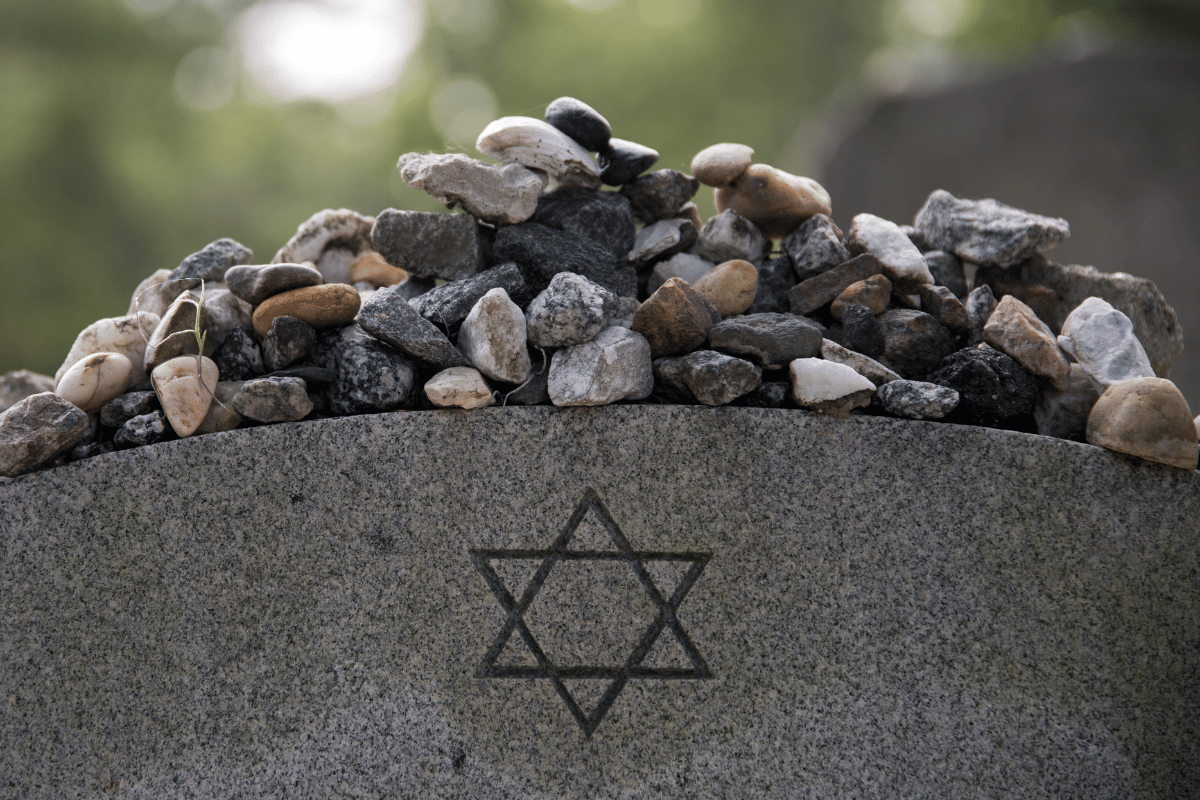
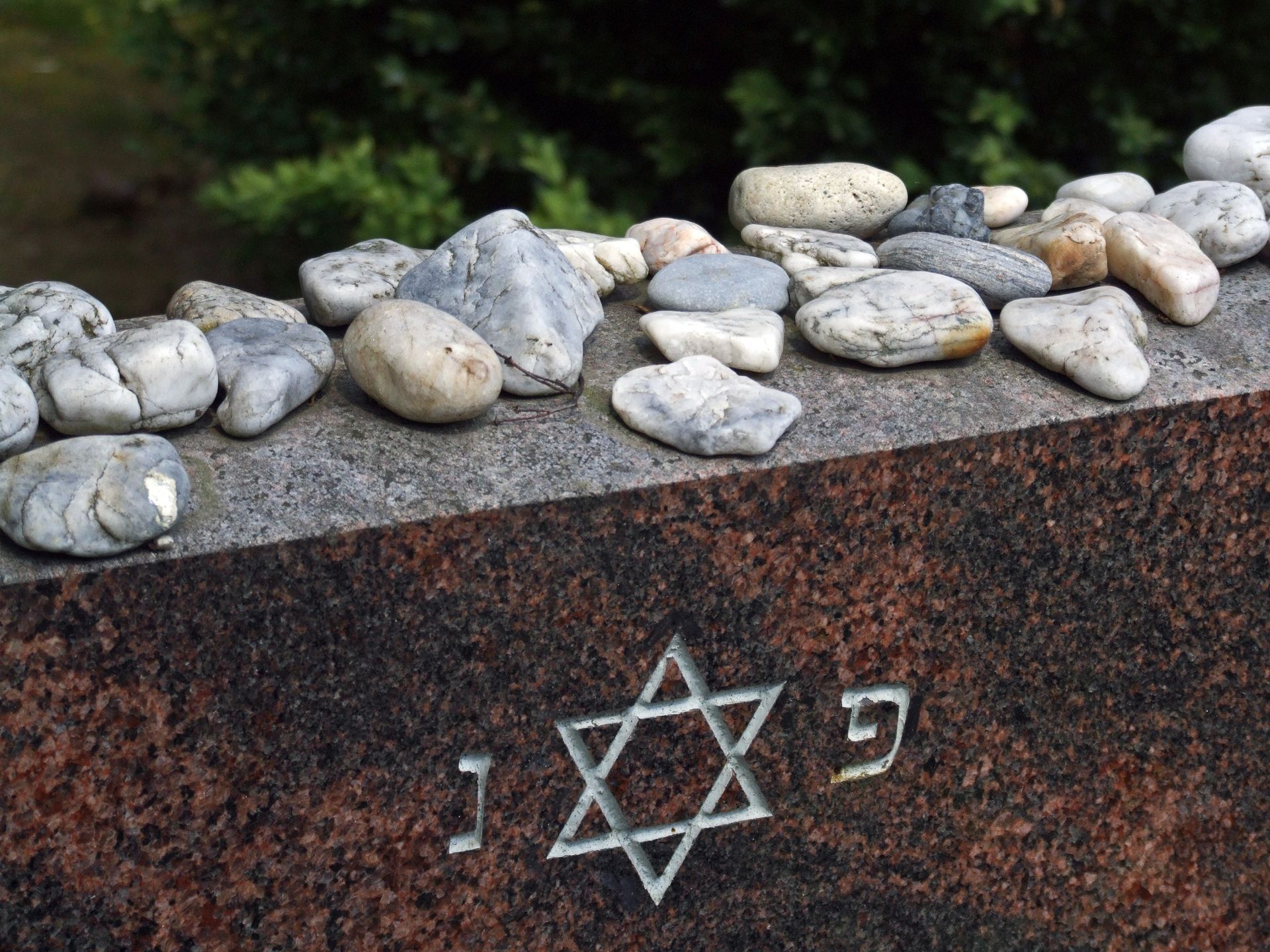
One of the most defining elements of Jewish tradition is burial in the ground. The phrase “for dust you are, and to dust you shall return” reflects a spiritual return to the earth. For many Jewish families today, this remains a deeply meaningful expression of faith and continuity.
Despite the availability of alternative options, traditional burial continues to be the choice of many observant families. Funeral professionals who specialize in traditional Jewish funeral services help ensure that halachic requirements are honored while guiding families through modern cemetery procedures and logistics.
Cemeteries may now involve documentation, scheduling systems, and regulatory processes that did not exist generations ago. Having experienced Jewish funeral directors navigate these systems allows families to focus on remembrance rather than paperwork.
Modern Challenges and Practical Considerations
In earlier times, Jewish communities were often tightly clustered around synagogues and cemeteries. Today, families may live across states—or even countries—making prompt burial more complex.
Air travel, legal documentation, and coordination with cemeteries require careful attention. While Jewish law still values timeliness, rabbinical guidance often accounts for reasonable delays when necessary for travel or legal requirements.
Similarly, work schedules and family obligations sometimes affect how services are structured. Chapel services, graveside services, and coordinated processions are arranged with both tradition and practicality in mind.
Modern funeral homes serving Jewish families must balance efficiency with sensitivity—ensuring sacred customs are preserved within today’s realities.
The Role of Ritual Preparation
Ritual preparation, known as Tahara, remains one of the most sacred components of Jewish burial. Performed by a trained chevra kadisha (sacred burial society), this process involves washing and dressing the deceased in simple white shrouds.
Even in contemporary settings, this ritual is handled with profound reverence. Facilities that are designed specifically to accommodate Jewish customs—rather than adapting general procedures—allow this sacred practice to be performed properly.
Families seeking guidance about these customs often turn to professionals experienced in Jewish funeral care, such as those at Eden Memorial Jewish Funeral Home and Chapel, where accommodations for Tahara and Shomer are integrated into the funeral process.
What About Cremation?
Cremation presents one of the more complex issues in modern Jewish life. Traditionally, cremation is prohibited under Jewish law, particularly within Orthodox and Conservative communities. The preference for burial is rooted in theological and historical principles.
However, in today’s world, some families inquire about cremation due to financial considerations, environmental concerns, or personal beliefs.
In such cases, thoughtful conversations with knowledgeable funeral professionals and Rabbis are essential. Jewish funeral directors can explain how cremation aligns—or does not align—with different streams of Jewish observance, ensuring families make informed decisions based on both tradition and personal conviction.
The goal is not judgment, but clarity.
Personalization Within Tradition
Modern families often wish to include personal elements in funeral services—tributes, reflections, or particular readings. Jewish tradition allows for meaningful personalization within a respectful framework.
Eulogies, for example, offer space to speak about character, accomplishments, acts of kindness, and community impact. Services may be conducted in Hebrew, English, or both, depending on the family’s background and comfort.
What remains constant is the tone of dignity and humility that defines Jewish burial. Even as families incorporate personal touches, the overall structure remains grounded in reverence rather than spectacle.
The Influence of Pre-Planning
In modern times, many individuals choose to document their funeral wishes in advance. Pre-planning reduces uncertainty for loved ones and ensures that burial preferences reflect both religious values and personal desires.
Advance planning allows families to:
- Clarify cemetery choices
- Document religious observance preferences
- Communicate specific requests for clergy or service structure
- Reduce emotional and financial strain on survivors
By addressing these matters ahead of time, families avoid rushed decisions during moments of grief.
Why Tradition Endures
Jewish burial traditions have survived centuries of migration, persecution, and cultural change. Their endurance is not accidental. These customs provide stability when life feels unstable. They offer spiritual meaning when loss feels overwhelming.
In modern times—when so much moves quickly—these rituals create pause. They remind families that grief deserves structure, and that honoring the deceased is a sacred responsibility, not merely a logistical task.
Even as funeral practices evolve in the broader culture, Jewish burial continues to emphasize simplicity, equality, and reverence.
Compassionate Guidance in a Changing World
Balancing ancient tradition with contemporary realities requires experience and sensitivity. Families benefit from working with funeral professionals who understand not only Jewish law, but also the practical demands of modern life.
Those who have questions about Jewish burial customs, cemetery arrangements, or planning considerations are encouraged to reach out to our team for guidance and support. Thoughtful conversation can provide clarity and reassurance during difficult moments.
Jewish burial traditions remain deeply relevant today. While the world has changed, the core values of dignity, humility, and communal responsibility endure. By honoring these principles—even within modern circumstances—families uphold a legacy that has sustained Jewish life for generations.