How Jewish Mourning Supports Healing
Grief is one of the most universal human experiences, yet it can feel deeply isolating.
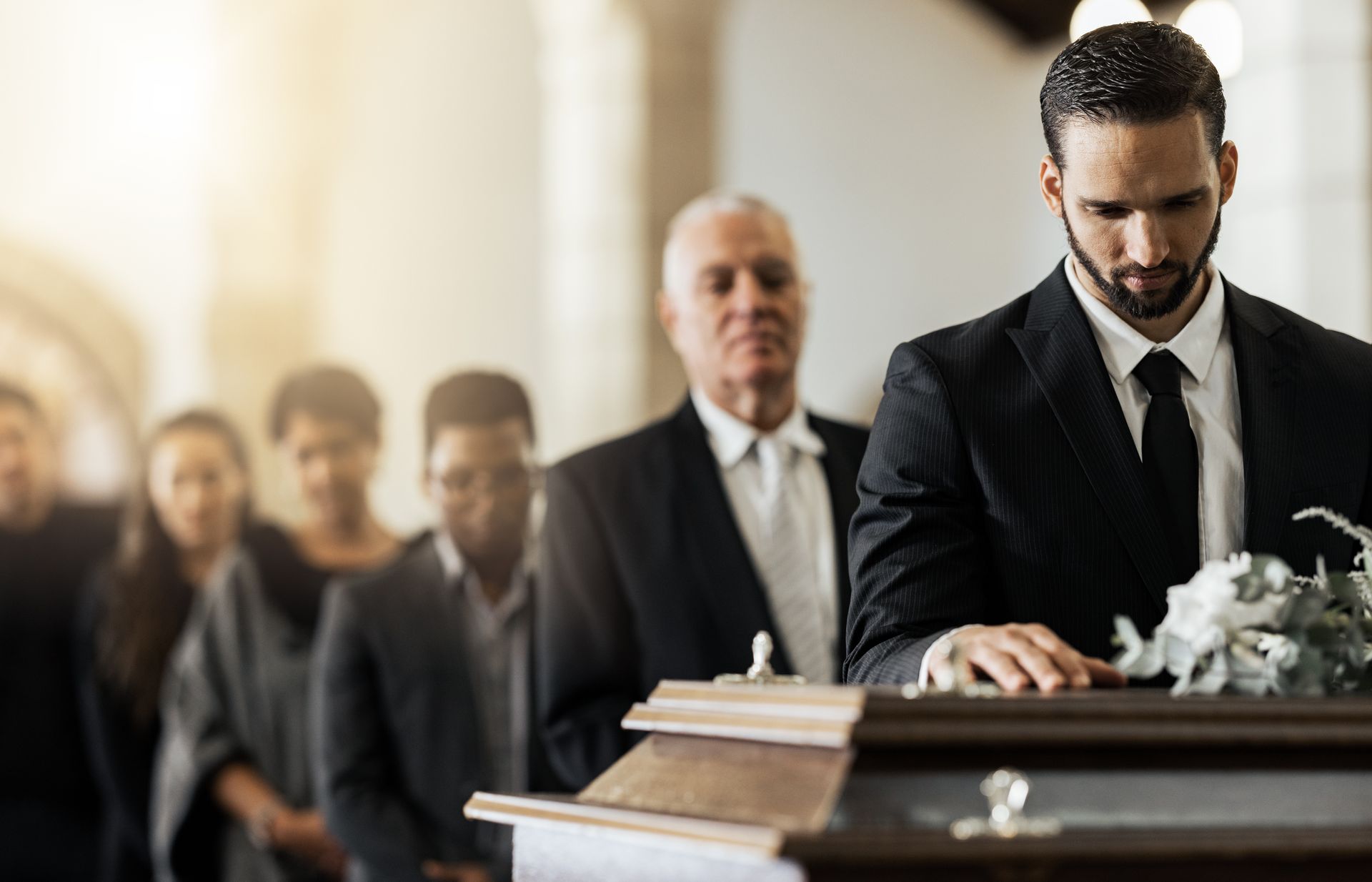
For thousands of years, Jewish tradition has offered a thoughtful and structured response to loss, one that acknowledges sorrow while gently guiding mourners toward healing. For families in Fort Lee and across the Tri-State Area, these time-honored customs provide more than ritual. They offer emotional grounding, community support, and a path forward when the weight of loss feels too heavy to carry alone.
The Healing Wisdom of Jewish Tradition
Jewish mourning practices are remarkable for their emotional intelligence. Long before modern psychology recognized the stages of grief, Jewish sages understood that mourning needed both expression and structure. The traditions developed over centuries reflect a profound awareness of how human beings process loss, providing rhythm and meaning during a time that often feels chaotic.
Rather than encouraging mourners to suppress their feelings or move on quickly, Jewish customs invite grief to be lived fully. Tears are welcomed, memories are shared, and pain is acknowledged as a natural expression of love. This open relationship with grief allows healing to unfold organically rather than being forced or rushed.
Creating Space for Sorrow
One of the most powerful aspects of Jewish mourning is the permission it gives mourners to step away from the demands of daily life. In a world that often expects people to keep going no matter what, Jewish tradition pauses. It says, in essence, your grief matters, and it deserves time.
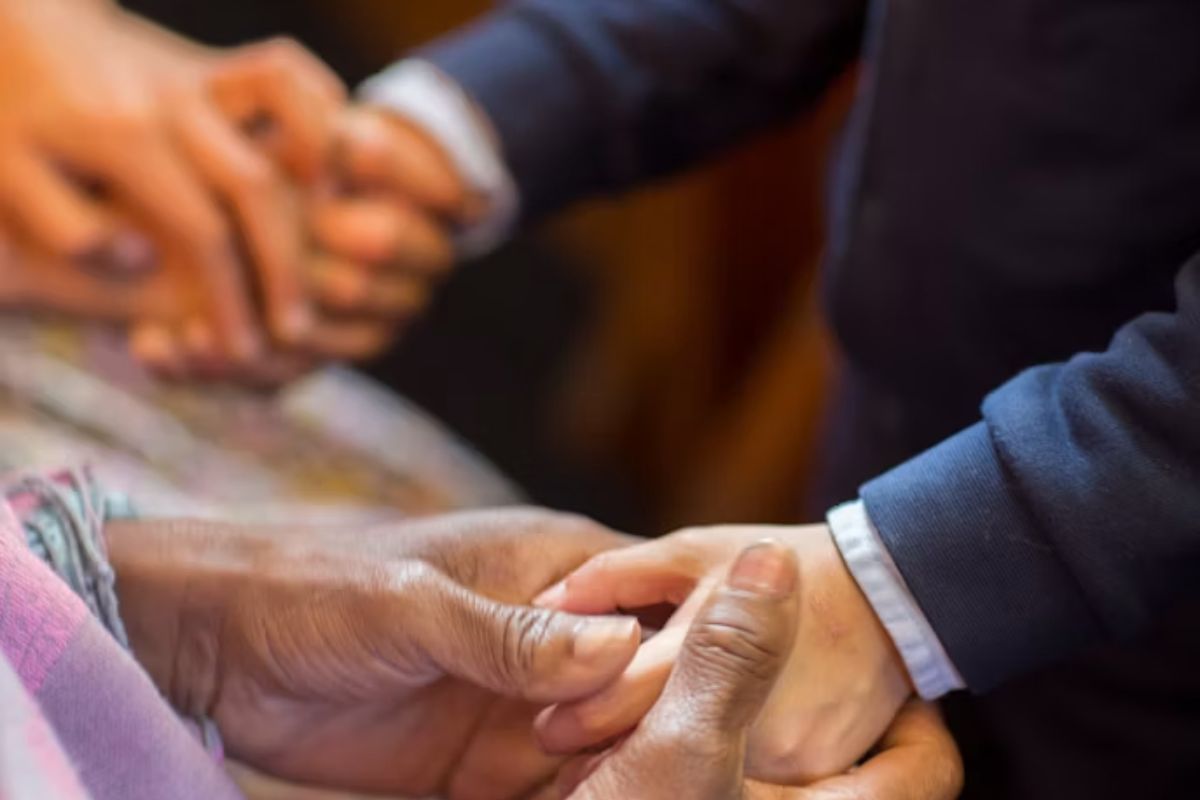
During the first seven days after burial, known as Shiva, mourners remain at home and are relieved of their normal responsibilities. They do not cook, clean, or entertain. Instead, the community comes to them. Friends, neighbors, and extended family bring meals, share stories, and simply sit in the presence of the bereaved. This stepping back from routine allows mourners to fully feel what they are feeling without distraction.
These customs are part of broader Jewish mourning practices that recognize the importance of slowing down. By creating sacred space for grief, the tradition helps mourners process loss in a way that supports long-term emotional well-being.
The Power of Community Support
Jewish mourning is never meant to be a solitary experience. From the moment a death occurs, the community rallies around the bereaved. This communal response is one of the most healing aspects of the tradition.
Minyan and Shared Prayer
A minyan, the gathering of at least ten Jewish adults required for certain prayers, ensures that mourners are not alone when reciting the Mourner's Kaddish. Whether at home during Shiva or at synagogue afterward, this requirement guarantees that grief is shared. The simple act of others showing up, day after day, sends a powerful message that the mourner is held by something larger than themselves.
Acts of Kindness
The Hebrew concept of chesed, or loving-kindness, comes alive during mourning. Bringing food, running errands, watching children, or simply sitting quietly with the bereaved are all expressions of this value. These acts of kindness remind mourners that they are loved and supported, even when words fall short.
This sense of being surrounded by community is one of the reasons many families find comfort in following traditional Jewish funeral customs. The rituals are not just about honoring the deceased. They are about wrapping the living in a circle of care.
Rituals That Mark Time and Healing
One of the most healing elements of Jewish mourning is its sense of progression. Grief does not have a clear endpoint, but the tradition acknowledges that healing happens in stages. Each phase of mourning has its own customs and expectations, helping mourners gradually return to life while still honoring their loss.
From Intensity to Integration
The first week is the most intense. Mourners are completely set apart from daily life, allowing them to grieve without interruption. After Shiva, the thirty-day period of Shloshim begins, during which mourners slowly reintegrate into society while still observing certain restrictions. For those who have lost a parent, the mourning period extends for a full year, recognizing the lifelong impact of that bond.
This gradual structure mirrors what therapists and grief counselors now know to be true. Healing is not linear, and it cannot be forced. By providing markers along the way, Jewish tradition gives mourners permission to grieve at their own pace while still moving forward.
Honoring Memory as a Form of Healing
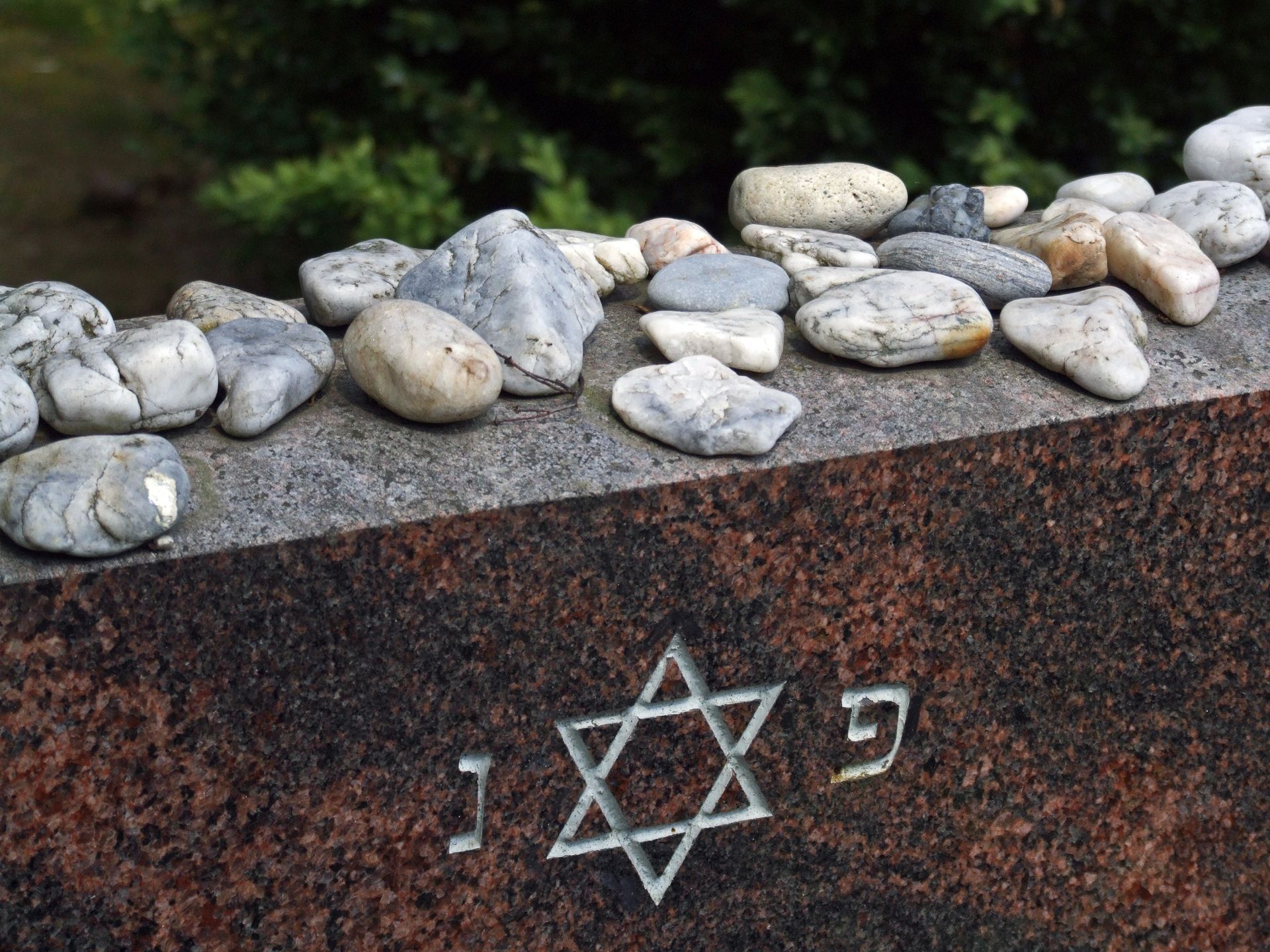
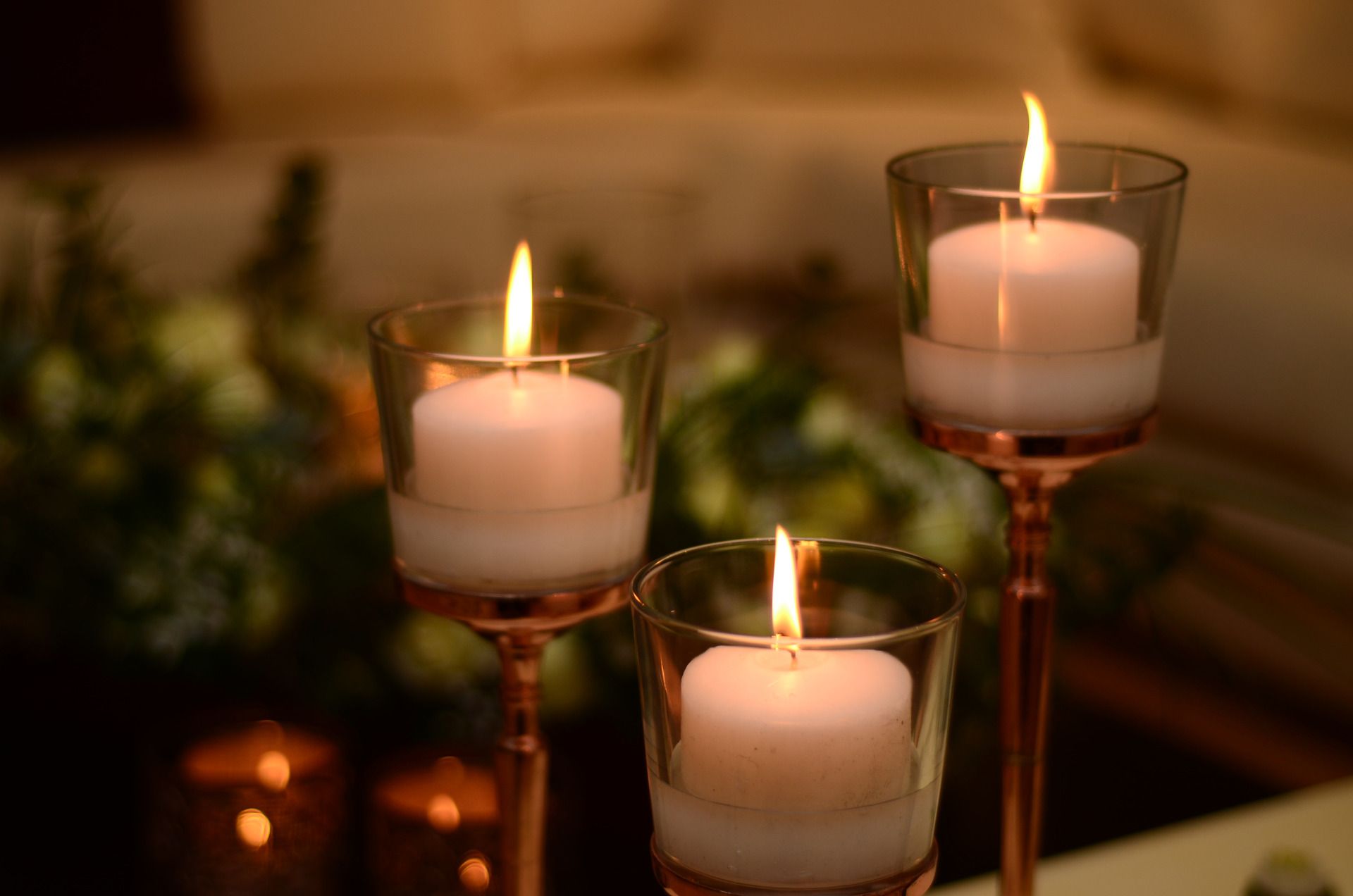
In Jewish tradition, remembering is sacred. The act of keeping a loved one's memory alive is not only an expression of love but also a powerful tool for healing. Each year on the anniversary of a death, families observe Yahrzeit by lighting a memorial candle, reciting Kaddish, and performing acts of charity in the deceased's name.
These ongoing rituals transform grief into legacy. Rather than treating the loss as something to leave behind, Jewish tradition invites mourners to carry their loved one with them through meaningful action. Stories are told, lessons are passed down, and the deceased continues to influence the lives of those they loved.
For many families, exploring resources on the grieving process can deepen this journey. Understanding how grief unfolds and how to honor memory in healthy ways helps mourners find purpose within their pain.
The Comfort of Knowing What to Do
One of the often-overlooked gifts of Jewish mourning is the clarity it provides. In the immediate aftermath of a death, when families are overwhelmed with emotion and decisions, the tradition offers a roadmap. There are clear customs about timing, dress, behavior, and ritual, removing the burden of having to figure everything out alone.
Knowing what to do when a death occurs can ease the initial shock and help families move through the early hours with greater steadiness. Having a framework to follow allows mourners to focus on what truly matters, honoring their loved one and beginning the slow work of healing.
Walking the Path of Grief Together
Jewish mourning traditions are not just rituals from the past. They are living practices that continue to support healing in profound ways. From the embrace of community to the rhythm of ritual, these customs offer a tested path through one of life's most difficult experiences.
For over thirty years, Eden Memorial Chapels has guided Jewish and interfaith families through these sacred traditions with compassion and care. Whether you are planning a service or seeking support during a season of grief, the team at Eden Memorial Chapels is here to help. Located just minutes from the George Washington Bridge in Fort Lee, we proudly serve families throughout the Tri-State Area. Please connect with our caring staff whenever you need guidance or a compassionate ear. We are honored to walk beside you with the dignity and respect your family deserves.