What to Expect at a Graveside Jewish Funeral
Attending a graveside Jewish funeral can feel unfamiliar, especially if you have not experienced one before.

The traditions are rooted in centuries of faith, respect, and care for the deceased, and they often follow a structure that may be different from other types of services. Understanding what to expect can help you feel more prepared, present, and respectful during a meaningful and often emotional time.
For families served by Eden Memorial Chapels in Fort Lee, New Jersey, graveside services are guided with deep respect for Jewish customs while remaining thoughtful of each family’s unique level of observance. Whether you are attending as a close family member, a friend, or a member of the community, knowing the flow of the service and its traditions can offer comfort and clarity.
The Purpose of a Graveside Jewish Funeral
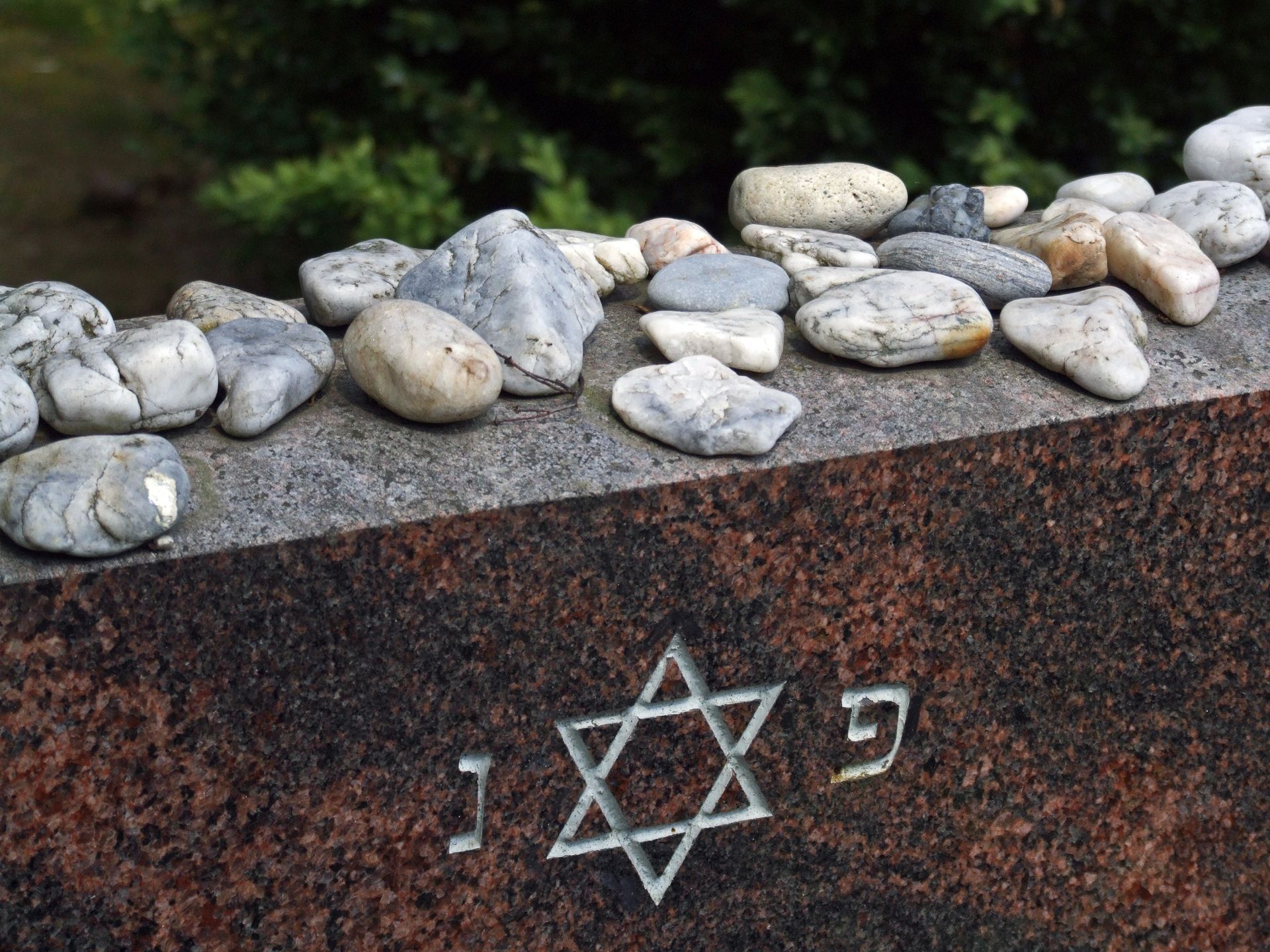
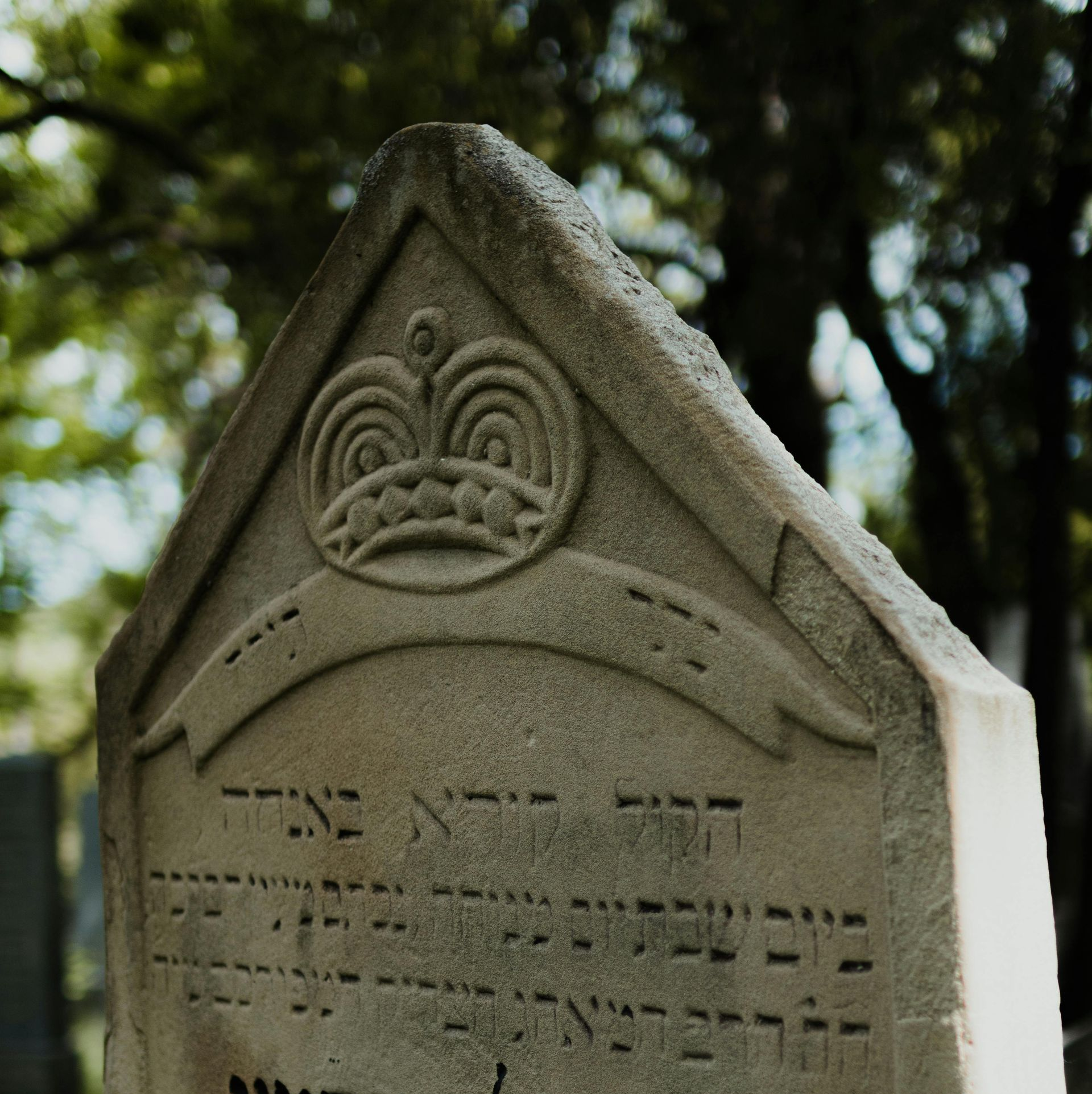
A graveside Jewish funeral is centered on simplicity, dignity, and honoring the life of the person who has passed. Unlike services that take place primarily in a chapel, a graveside service is held at the burial site itself. This reflects a key Jewish value, ensuring that burial takes place as soon as possible, typically within 24 to 48 hours when circumstances allow.
The focus is not on elaborate displays but on respect for the deceased and support for the grieving family. Many families choose this type of service because it allows for a more intimate and direct connection to the burial process.
If you are unfamiliar with these customs, exploring Jewish funeral customs ahead of time can provide helpful context and deepen your understanding of what you will witness.
Arrival and Atmosphere
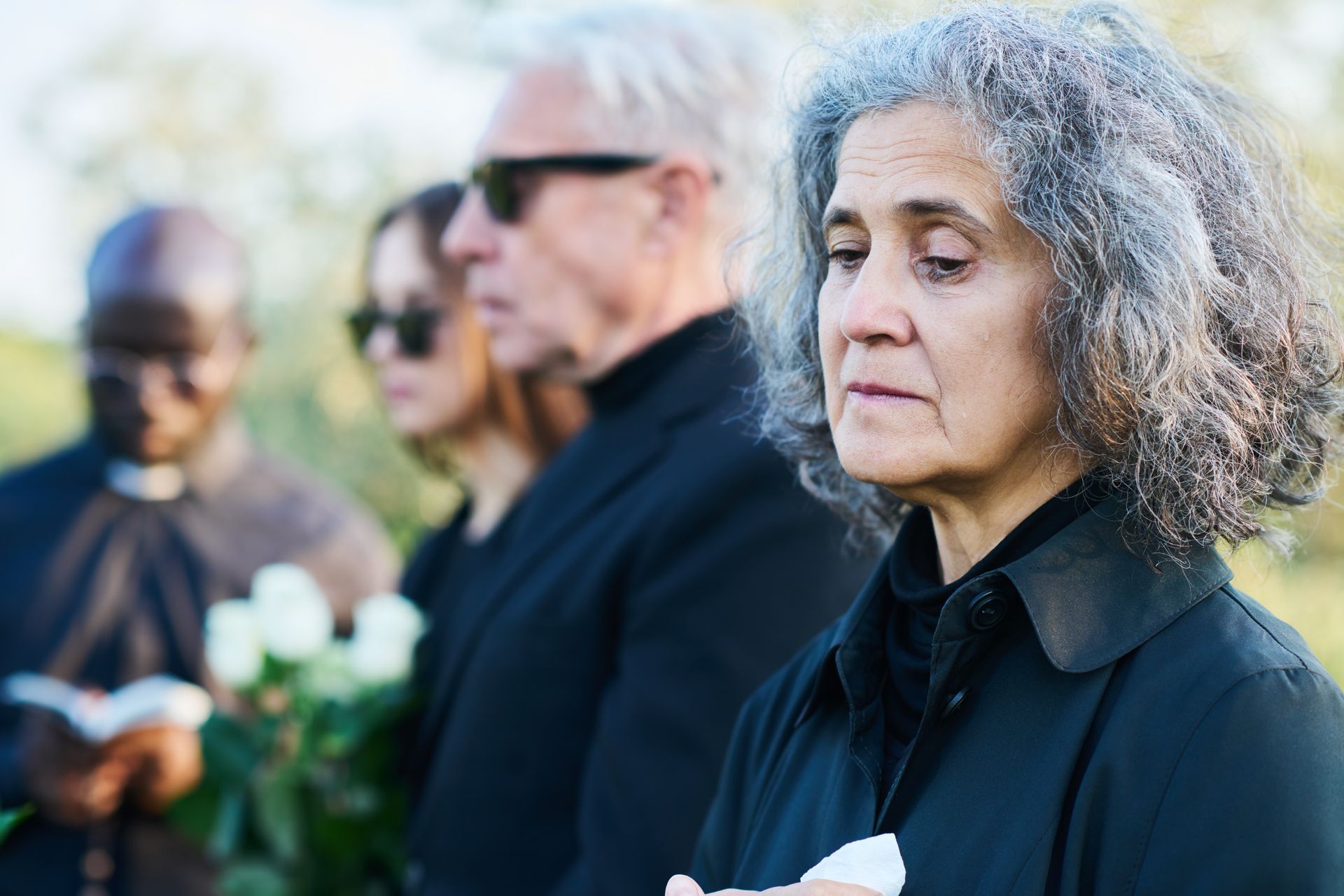
When you arrive at the cemetery, you may notice a quieter and more solemn atmosphere compared to other types of funerals. Guests typically gather near the gravesite and wait respectfully for the service to begin. It is customary to dress modestly, often in darker or neutral tones, as a sign of respect.
There may be a rabbi present to lead the service, along with close family members. In some cases, a brief chapel service may precede the graveside gathering, depending on the family’s wishes and arrangements through traditional funeral services.
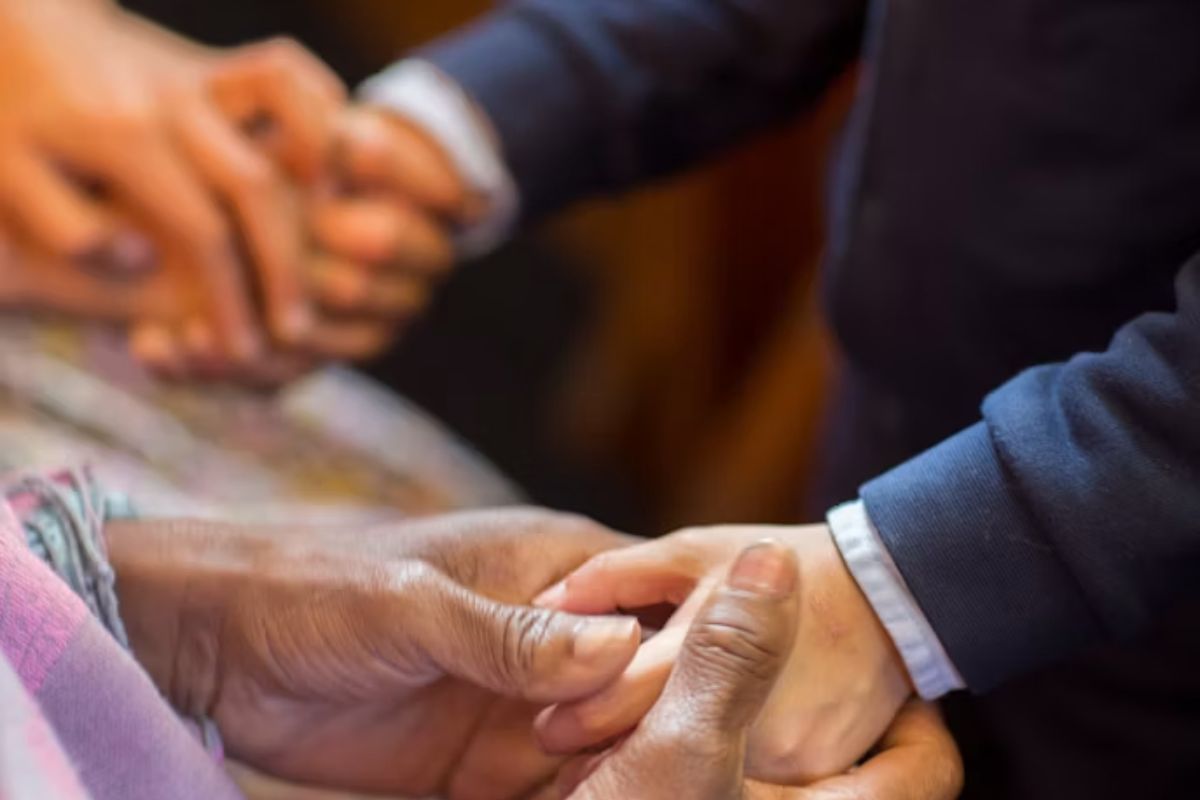
It is appropriate to offer quiet condolences to the family, but many attendees choose to wait until after the service to speak more personally.
The Order of the Service
The graveside service itself is usually brief but deeply meaningful. It may include:
- Psalms or prayers recited by the rabbi
- A eulogy or brief reflections about the deceased
- The El Malei Rachamim prayer, asking for peace for the departed soul
- The Mourner’s Kaddish, recited by family members
Unlike some other traditions, there is generally no music or elaborate ceremony. The emphasis remains on prayer, reflection, and honoring the individual’s life straightforwardly and respectfully.
Each service may vary slightly depending on the family’s customs, level of observance, and personal preferences. You can learn more about the specific flow by reviewing funeral rituals, which outline the traditions often observed during Jewish services.
The Burial Process
One of the most distinctive aspects of a graveside Jewish funeral is the active participation in the burial. After prayers are completed, family members and sometimes attendees may take part in placing earth onto the casket.
This act is considered a final gesture of love and respect. It symbolizes acceptance of the loss and fulfills the mitzvah, or good deed, of helping to bury the deceased. If you are unsure whether to participate, you can simply observe or follow the lead of the family.
It is perfectly acceptable to step forward quietly, take a shovel, and place a small amount of earth onto the casket. There is no requirement, and participation is always voluntary.
After the Service
Once the burial is complete, attendees typically begin to disperse quietly. It is customary to form two lines so that the immediate family can walk between them as they leave the gravesite. As they pass, guests may offer a traditional expression of comfort, such as, “May you be comforted among the mourners of Zion and Jerusalem.”
Following the funeral, the family often begins shiva, a period of mourning that takes place at home. Friends and extended family may visit to offer support, share memories, and bring comfort.
If you would like to better understand what comes next, reading about Shiva and mourning customs can help you support the family in a meaningful and respectful way.
Etiquette to Keep in Mind
Attending a Jewish graveside funeral is as much about presence as about participation. A few simple guidelines can help you navigate the experience thoughtfully:
- Arrive on time and remain attentive throughout the service
- Silence your phone and avoid distractions
- Follow the lead of the rabbi and family members
- Participate in traditions only if you feel comfortable
- Offer condolences with sincerity, even if briefly
There is no expectation to say the perfect words. Simply being there is often what matters most to grieving families.
A Setting That Supports Tradition and Accessibility
For families in Fort Lee and the greater Tri-State area, Eden Memorial Chapels offers a location that makes attending graveside services more accessible for loved ones traveling from different regions. With proximity to major highways and the George Washington Bridge, gatherings can feel less stressful during an already difficult time.
Those who wish to learn more about the environment and accommodations available can explore our facilities, which are designed to support both chapel and graveside services with care and consideration.
Offering Support When It Matters Most
Graveside Jewish funerals are rooted in respect, tradition, and a deep sense of community. While the structure may feel unfamiliar at first, the meaning behind each element is centered on honoring life and supporting those left behind.
If you are ever unsure about what to expect or how to prepare, guidance from an experienced, thoughtful team can make all the difference.
For more information or to speak with someone who understands these traditions, you can visit and reach out for guidance here.