What Is Shiva and Why It Matters
In Jewish tradition, mourning does not end with the funeral.
In many ways, it begins there. One of the most meaningful and widely observed stages of Jewish mourning is shiva, a structured seven-day period that provides space for grief, reflection, and community support. While the funeral honors the deceased, shiva focuses on the living—offering mourners time, comfort, and connection as they begin to adjust to loss.
Understanding what shiva is and why it matters can help families approach this sacred time with clarity and confidence, especially if they are navigating Jewish mourning practices for the first time.
What Does “Shiva” Mean?
The word shiva comes from the Hebrew word for “seven.” It refers to the first seven days of mourning following burial. This period is traditionally observed by the deceased’s immediate family members—parents, children, siblings, and spouse.
Shiva begins immediately after the funeral and burial. Mourners return home and enter a period intentionally set apart from normal routines. Work, social activities, and daily distractions are paused as the family focuses on remembrance and healing.
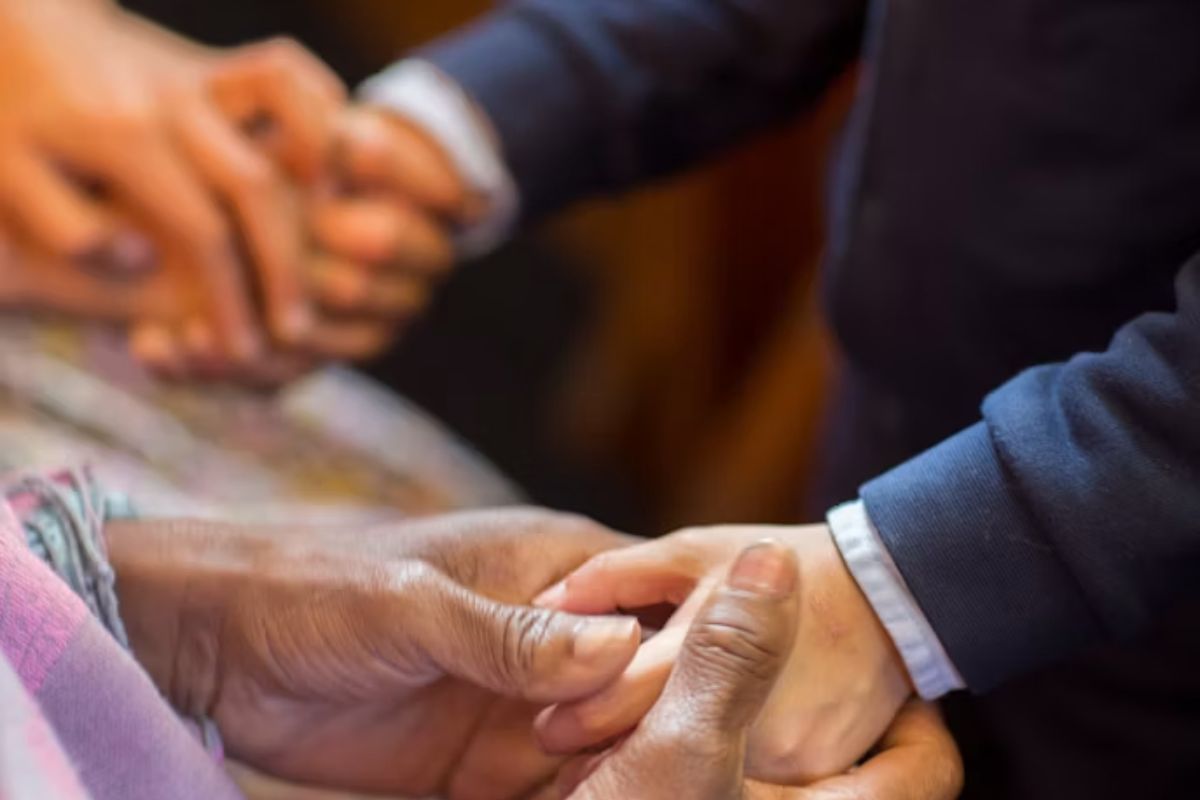
Jewish mourning is not meant to be endured in isolation. Instead, it is structured around community presence. Friends and relatives visit the home to offer condolences, share memories, and participate in prayer services.
The Purpose of Shiva
At its heart, Shiva acknowledges that grief deserves time and attention. Rather than expecting mourners to quickly resume normal life, Jewish tradition creates a protective space for sorrow. This structure helps prevent feelings of being rushed or misunderstood.
Several important purposes of Shiva include:
- Honoring the deceased through stories, prayer, and reflection
- Supporting the mourners with the presence of the community
- Allowing emotional expression without social pressure
- Marking the transition from immediate loss toward gradual reintegration into daily life
The design of Shiva reflects deep wisdom. It recognizes that grief is both personal and communal, and that healing often begins simply by being surrounded by others.
Customs Observed During Shiva
While practices may vary depending on the level of observance, several customs are commonly observed during Shiva.
Sitting Low
Mourners traditionally sit on low chairs or stools, symbolizing their emotional state and separation from ordinary life. This visible sign communicates that they are in mourning.
Covering Mirrors
Mirrors in the home may be covered. This custom encourages reflection inward rather than outward and removes concern for personal appearance during this time.
Lighting a Memorial Candle
A candle is lit and burns throughout the seven days. Its steady flame represents the enduring soul and serves as a quiet symbol of remembrance.
Prayer Services
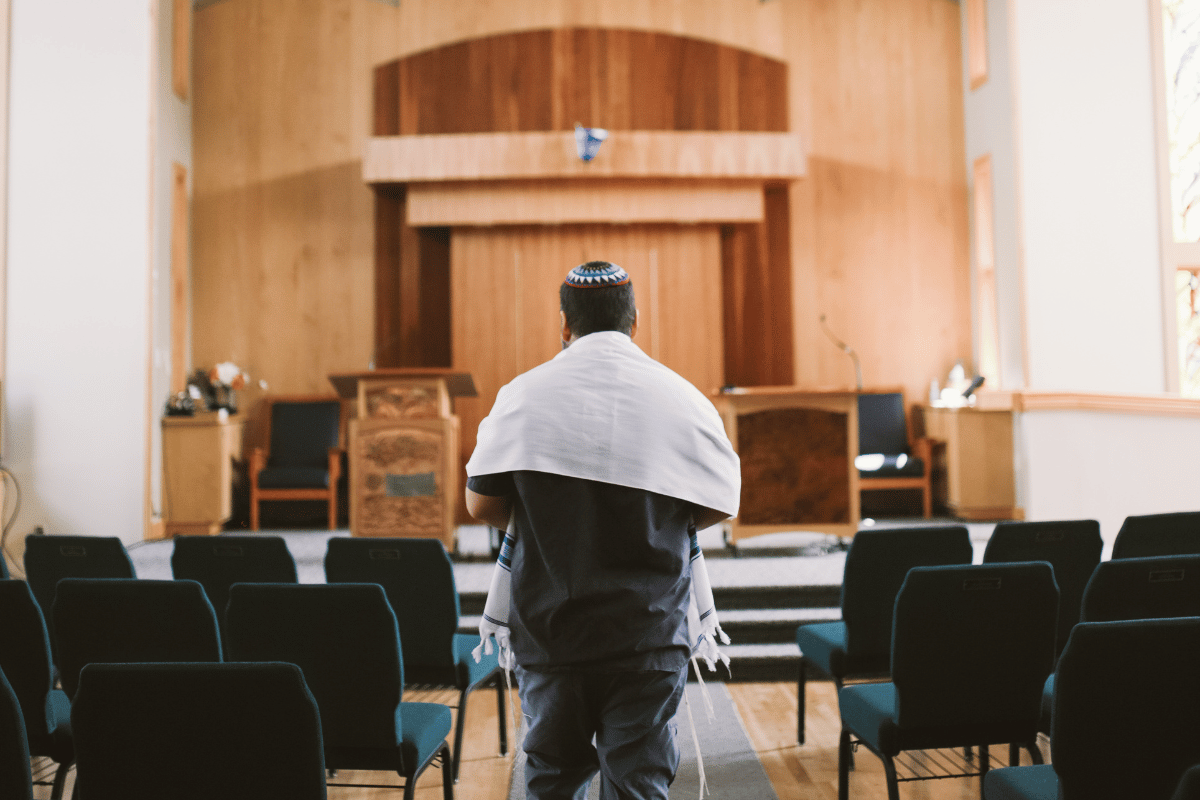
Daily prayer services are often held in the home, allowing mourners to recite the Mourner’s Kaddish with a minyan (a quorum of ten adults in traditional practice). Clergy may assist in organizing and leading these services.
Families who wish to better understand the broader framework of Jewish mourning often find it helpful to review guidance on Jewish funeral rituals and traditions before or during shiva.
The Role of Community During Shiva
One of the most meaningful aspects of Shiva is the role of the community. Visitors do not come to “fix” grief. Instead, they come to bear witness to it.
There is even guidance on how to behave when visiting a shiva home. Traditionally, visitors wait for the mourner to begin speaking, allowing the grieving person to set the tone. Words of comfort such as “May you be comforted among the mourners of Zion and Jerusalem” are often shared.
Food is typically provided by friends and extended family so that mourners do not need to concern themselves with cooking. This practical support reinforces the idea that no one should grieve alone.
For families unfamiliar with the details of these customs, resources that explain shiva and Jewish mourning practices can offer helpful clarity.
How Shiva Fits Within the Larger Mourning Process
Shiva is only the first stage of Jewish mourning. It is followed by shloshim (the first 30 days) and, for those mourning a parent, a full year of remembrance that includes reciting Kaddish.
Each stage gradually reintroduces the mourner to daily life. Shiva is the most intense and structured period. At its conclusion, mourners symbolically step outside the home for a brief walk, marking their initial reentry into the world.
This layered approach demonstrates that Jewish mourning is not abrupt. It allows grief to unfold in stages, providing both support and direction.
Preparing for Shiva
The logistics of preparing for shiva are often handled quickly after a funeral. Families may need assistance coordinating prayer services, arranging seating, and communicating visiting hours.
Funeral professionals who specialize in traditional Jewish funeral services often help guide families through these arrangements. Their role extends beyond the funeral itself, ensuring that families understand what to expect in the days that follow.
Why Shiva Still Matters Today
In a fast-paced world, taking seven full days to mourn may feel unfamiliar. Yet many families find that shiva offers something rare and necessary—a pause. It creates permission to grieve openly and to receive support without explanation.
Even families who are less traditionally observant often choose to observe Shiva in some form. The act of gathering, remembering, and sharing stories becomes a meaningful bridge between tradition and modern life.
Shiva reminds mourners that grief is not something to rush through. It affirms that loss is significant, that memory matters, and that healing happens in community.
Guidance Rooted in Experience and Tradition
Navigating Jewish mourning customs can feel overwhelming, especially for families experiencing loss for the first time. Working with a family-owned Jewish funeral home serving the community with care can provide clarity during these moments.
Whether families are planning ahead or making immediate arrangements, compassionate guidance makes a meaningful difference. Those who have questions about funeral planning, shiva customs, or next steps are encouraged to contact the funeral home directly for thoughtful assistance and support.
Shiva is more than a tradition—it is a sacred space carved out for grief, remembrance, and community. By honoring this time, families uphold a practice that has sustained Jewish communities for generations, offering comfort not only in the present but in the enduring connection between memory and faith.