When Does an Unveiling Take Place in Jewish Tradition?
After the funeral and burial, Jewish mourning does not simply end—it unfolds gradually, guided by time-honored rituals that help families honor their loved one while finding a path forward.
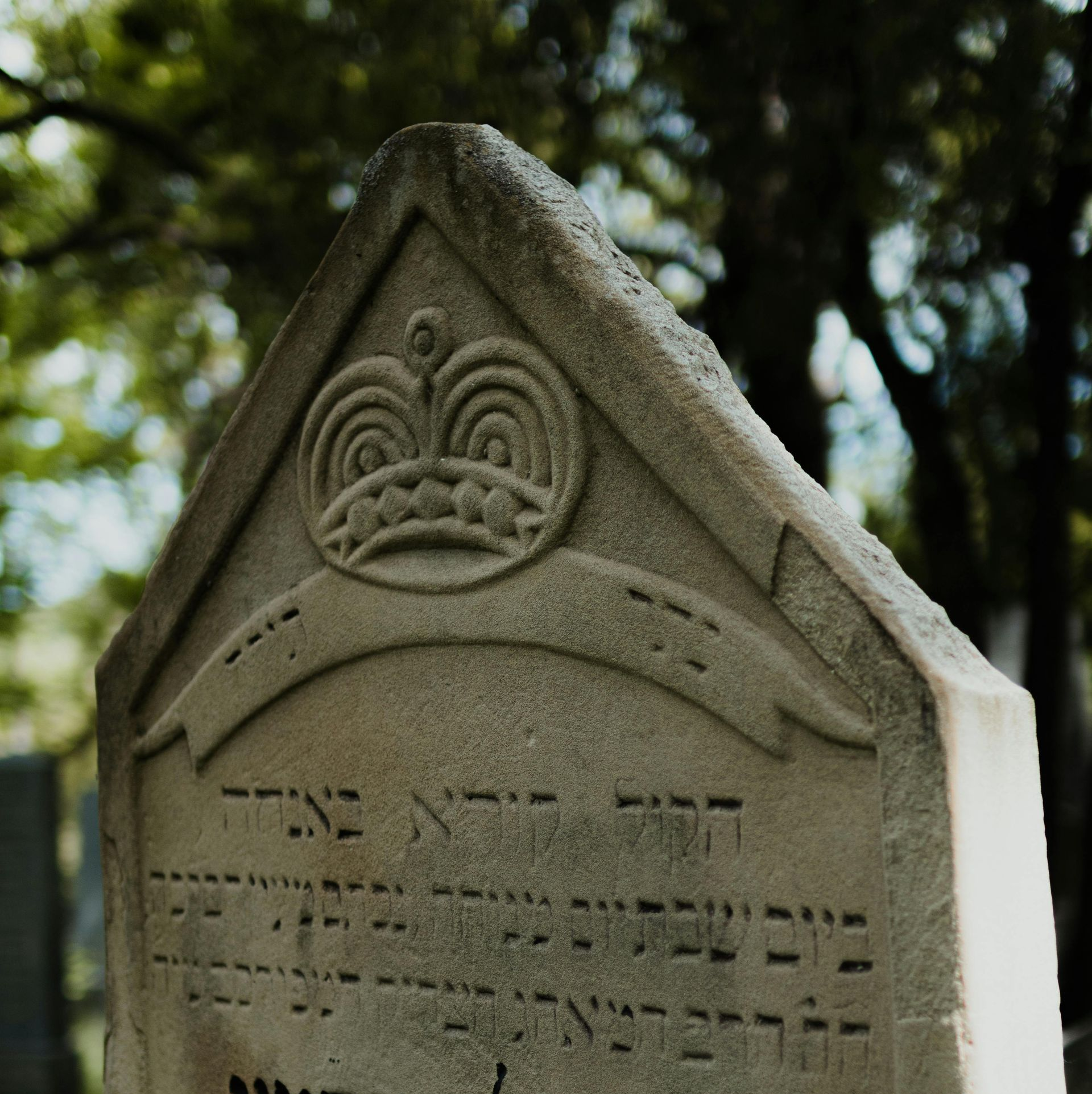
One of the most meaningful milestones in this process is the unveiling, a ceremony marking the placement and dedication of the grave marker. For many families, questions arise about when an unveiling should take place, what it includes, and how it fits within Jewish tradition.
Understanding the purpose and timing of an unveiling can help families approach this moment with clarity and intention, allowing it to serve as a source of reflection, connection, and remembrance.
What Is an Unveiling in Jewish Tradition?
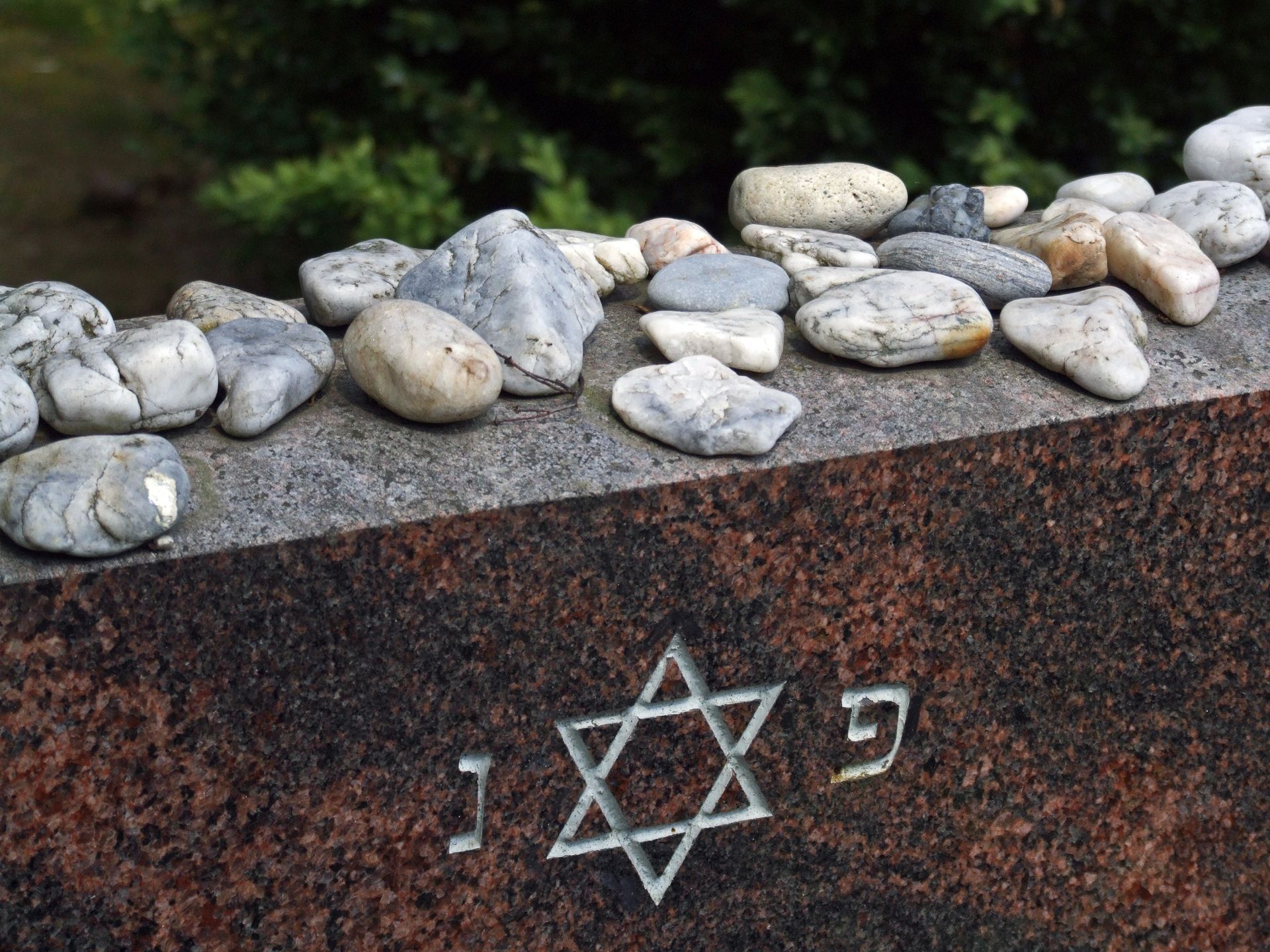
An unveiling is a memorial gathering held at the cemetery after a headstone or grave marker has been placed. During the ceremony, the marker is formally revealed, prayers are recited, and loved ones have an opportunity to reflect on the life and legacy of the deceased.
While the unveiling is widely practiced, it is important to understand that it is a custom rather than a requirement of Jewish law. Its role is not to replace the funeral or burial rites, but to offer families a later moment to gather once the initial intensity of mourning has softened. For many, it becomes a meaningful way to mark the passage of time and reaffirm ongoing remembrance.
Families navigating Jewish end-of-life traditions often seek guidance from experienced Jewish funeral professionals, such as those who provide support through Jewish funeral care rooted in tradition and compassion, as part of their broader journey through mourning practices.
When Does an Unveiling Typically Take Place?
There is flexibility in Jewish tradition regarding the timing of an unveiling, and practices may vary based on family custom, rabbinical guidance, or community norms. However, several commonly observed timeframes exist.
After the First Year
Traditionally, many families choose to hold the unveiling after the completion of the first year following the burial. This timing aligns with the conclusion of the formal mourning period, including the daily recitation of Kaddish for a parent. Holding the unveiling at this point symbolizes a transition—honoring the loved one while beginning to reengage more fully with everyday life.
This approach is often preferred in more traditional or Orthodox communities, where the emphasis is placed on allowing the full year of mourning to pass before introducing a new commemorative milestone.
Within the First Year
In other families, particularly within Conservative or Reform traditions, the unveiling may take place anytime after shloshim (the first 30 days of mourning), often within the first year. Practical considerations, such as weather, travel logistics, or the completion of the headstone, may influence this decision.
There is no single “correct” date. Jewish tradition recognizes that families grieve differently, and the unveiling should take place at a time that feels appropriate and meaningful to those remembering the deceased.
Consulting a Rabbi
Because customs vary, many families consult with a Rabbi when deciding on the timing of an unveiling. Clergy can offer guidance based on tradition while respecting family circumstances. Funeral directors experienced in Jewish practice often help facilitate these conversations as part of broader funeral and memorial planning.
Why Is the Headstone Placed Later?
Families unfamiliar with Jewish customs are sometimes surprised to learn that the headstone is not usually placed immediately after burial. In Jewish tradition, simplicity and equality in death are emphasized, and the initial focus is on burial rather than monumentation.
Allowing time before placing the marker also gives families space to choose inscriptions thoughtfully. Hebrew names, dates, traditional phrases, and personal details require careful consideration, and this process often benefits from reflection rather than urgency.
Many families begin these conversations during planning ahead for Jewish funeral arrangements, which can ease decision-making during times of loss.
What Happens During an Unveiling Ceremony?
Unveilings are typically brief and intimate, lasting anywhere from 15 to 30 minutes. While the structure may vary, most ceremonies include several key elements:
- Opening words or psalms, often led by a Rabbi or knowledgeable family member
- The unveiling itself, where a cloth covering the headstone is removed
- Prayers, such as Psalm 23 or Psalm 121
- The Mourner’s Kaddish, recited by the immediate family
- Personal reflections, which may be shared by loved ones
The tone of an unveiling is generally quieter and more reflective than a funeral. It provides space for remembrance without the urgency or formality of earlier rituals.
Who Attends an Unveiling?
Attendance is usually limited to close family and friends, though there is no strict rule. Some families choose a very small gathering, while others invite a broader circle, especially if relatives were unable to attend the funeral.
Because unveilings often take place months after the burial, they can offer an opportunity for reconnection. Loved ones who have been grieving privately may find comfort in coming together again to share memories and support one another.
How Does an Unveiling Fit Into the Jewish Mourning Process?
Jewish mourning is structured around time-based stages, each serving a specific emotional and spiritual purpose. The unveiling fits naturally into this progression.
- Shiva focuses on immediate grief and communal support
- Shloshim allows mourners to slowly reenter daily life
- The first year emphasizes remembrance and adjustment
- The unveiling marks acknowledgment of permanence and legacy
Rather than signaling an end to remembrance, the unveiling affirms that memory continues—now integrated into life rather than overwhelming it.
Families often find it helpful to revisit earlier guidance on what to expect when a death occurs in the Jewish tradition as they navigate these stages.
Does the Type of Funeral Affect the Unveiling?
Regardless of whether a family chooses a chapel service or a graveside service, the unveiling remains a separate and optional ritual. Families who hold traditional Jewish funeral services often incorporate the unveiling as part of a full cycle of observance.
In situations involving cremation, unveiling practices may differ depending on how remains were interred or memorialized. Families choosing Jewish cremation services may still hold an unveiling if there is a grave marker or memorial plaque, though customs may be adapted based on individual circumstances and rabbinical guidance.
Planning and Support for Families
Decisions surrounding unveilings can feel emotionally complex, especially when families are balancing tradition, personal beliefs, and logistics. Working with experienced Jewish funeral professionals can provide reassurance and clarity.
Funeral directors can help coordinate with cemeteries, clergy, and monument providers, ensuring that the unveiling takes place smoothly and respectfully. Families with questions or needing guidance are encouraged to reach out through Eden Memorial’s contact page for support rooted in experience and understanding.
A Meaningful Moment of Remembrance
The unveiling holds a unique place in Jewish tradition. It is not about closure, but about continuity—recognizing that while life has changed, memory endures. By choosing a time and approach that feels right, families can create a moment that honors their loved one with dignity, faith, and lasting meaning.
Whether held quietly with immediate family or shared with a wider circle, the unveiling serves as a gentle reminder that remembrance is not confined to one day, but carried forward through time, tradition, and love.