Keeping a Loved One’s Memory Alive in Jewish Tradition
In Jewish tradition, remembering the deceased is not limited to the day of the funeral.
Instead, remembrance becomes an ongoing part of life, woven into prayer, family gatherings, and communal observance. Jewish customs surrounding mourning and memorialization are designed not only to honor the person who has passed away but also to support the living as they carry forward the values, stories, and legacy of their loved one.
For many families, keeping a loved one’s memory alive is both a spiritual responsibility and a source of comfort. Jewish tradition offers meaningful ways to do this—through rituals, acts of kindness, and shared remembrance that continue long after the burial.
The Importance of Memory in Jewish Tradition
Judaism places great emphasis on memory. The Hebrew word zachor, meaning “remember,” appears repeatedly throughout Jewish texts. Remembering is not simply about looking back; it is about carrying the past into the present and allowing it to shape the future.
In the context of mourning, remembrance ensures that a person’s life continues to influence the world even after they are gone. Families honor their loved ones by telling their stories, reflecting on their values, and continuing traditions that mattered to them.
Jewish mourning practices are structured to guide families through this process of remembrance in stages, helping grief gradually transform into meaningful memory.
The Role of Shiva and Early Mourning
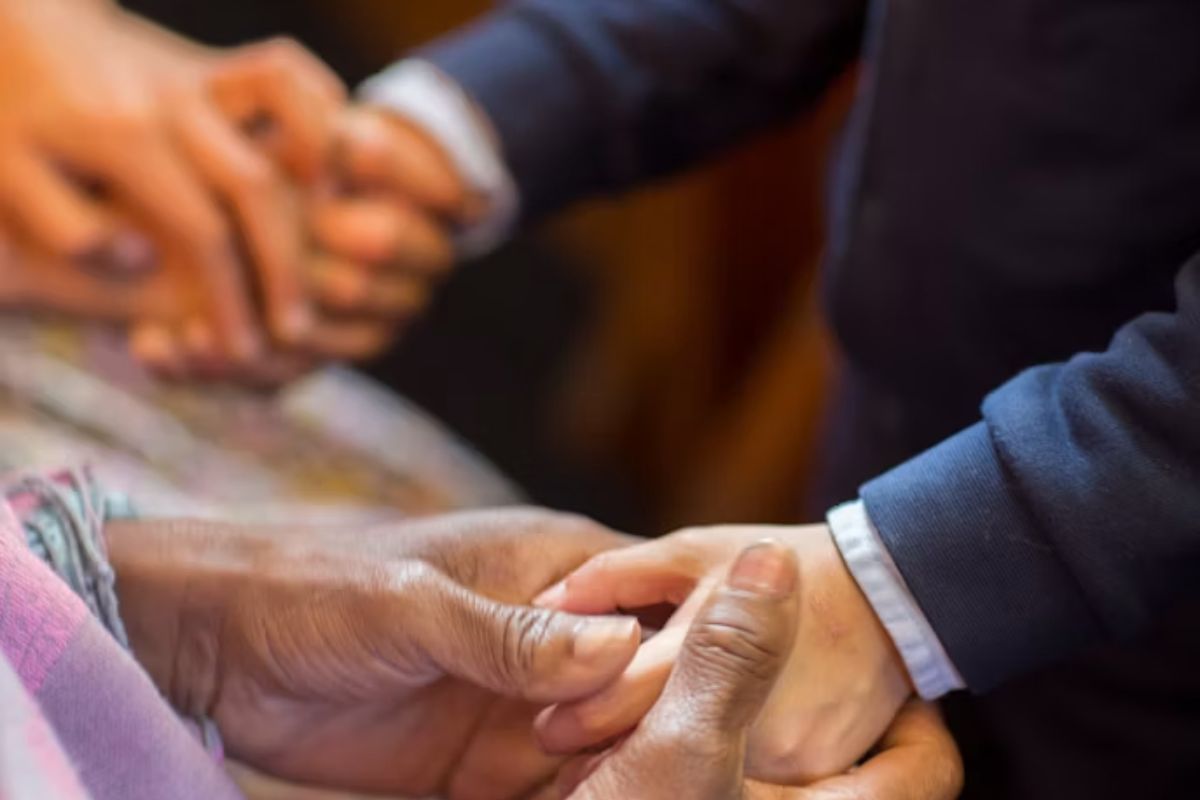
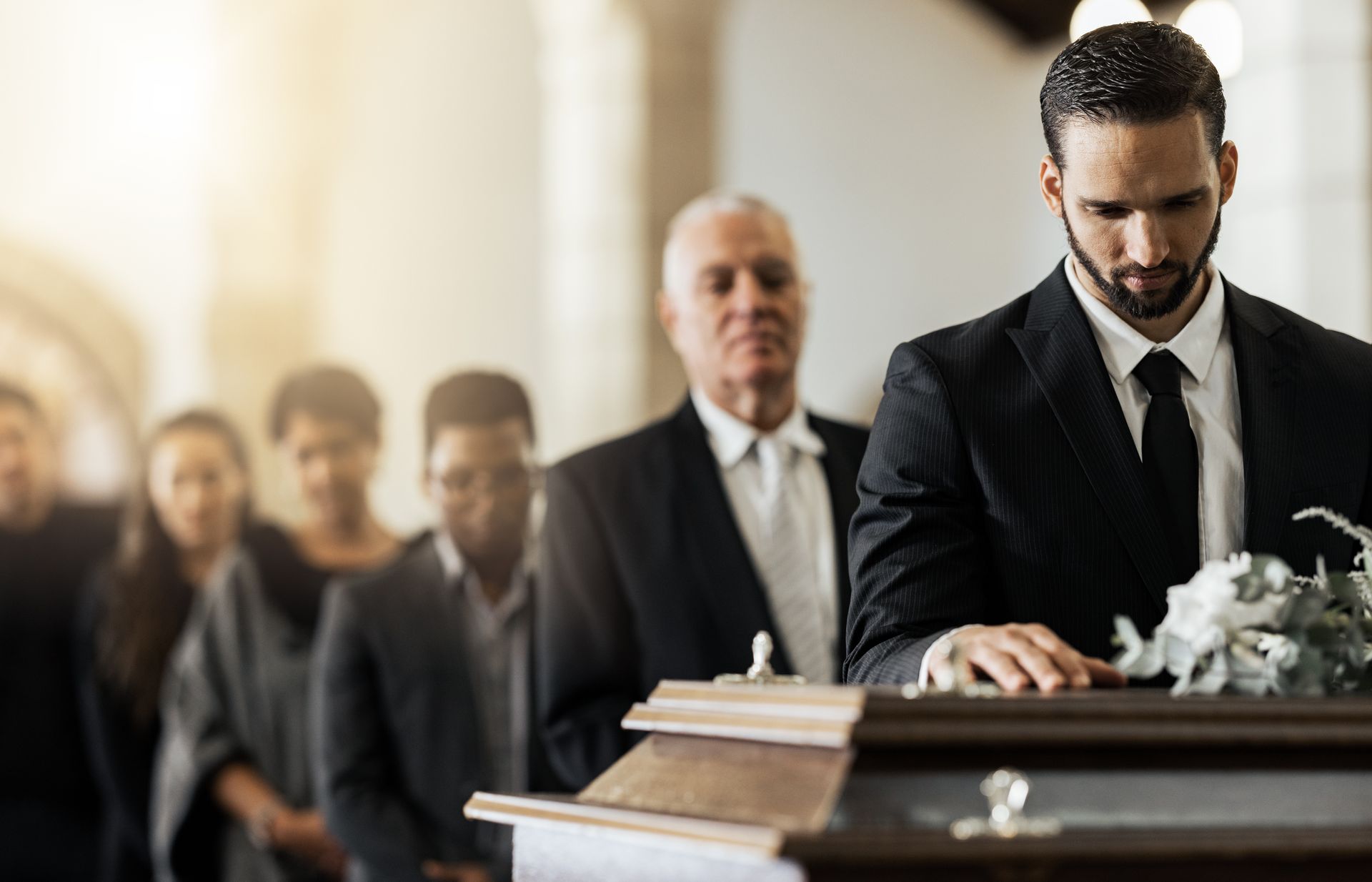
The first stage of remembrance begins immediately after burial during shiva, the seven-day mourning period. During this time, family members gather in the home to receive visitors, share stories, and pray together.
While Shiva acknowledges the intensity of immediate grief, it also creates a powerful space for memory. Friends and relatives recount moments they shared with the deceased—stories that might otherwise remain unspoken. These conversations allow mourners to see the many ways their loved one impacted others.
The memories shared during shiva often become part of a family’s collective story, helping preserve the legacy of the person who has died.
Observing Yahrzeit
One of the most significant ways Jewish families remember a loved one is through Yahrzeit, the anniversary of the person’s passing according to the Hebrew calendar.
On this day, family members typically:
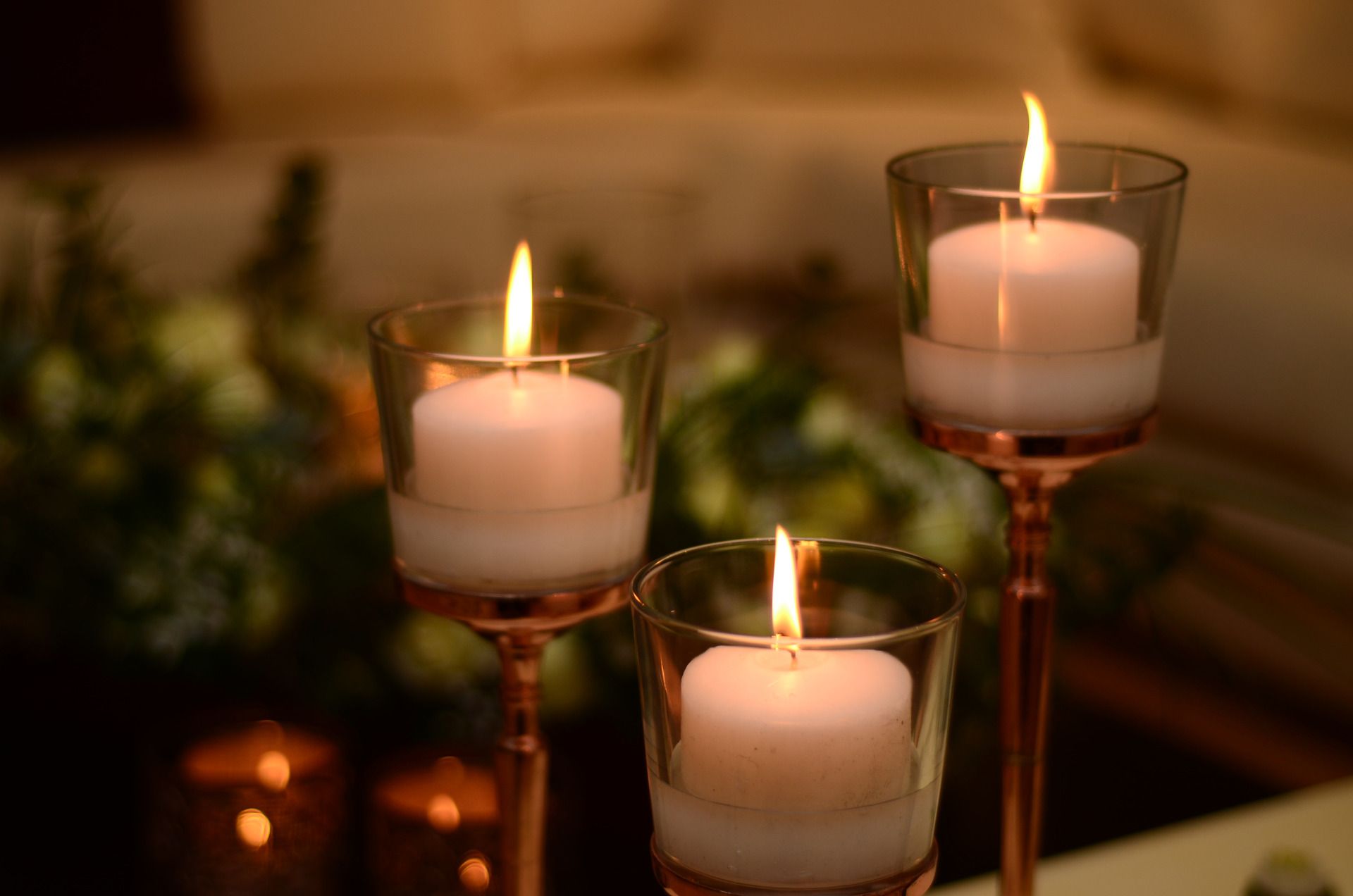
- Light a memorial candle that burns for 24 hours
- Recite the Mourner’s Kaddish
- Attend synagogue services
- Reflect on the life and character of the deceased
Yahrzeit serves as a yearly moment of connection. Rather than fading over time, memory is intentionally revisited and renewed.
For many families, observing Yahrzeit becomes a deeply personal tradition. Some gather for a meal, share stories, or perform acts of charity in honor of the loved one’s values.
Visiting the Gravesite
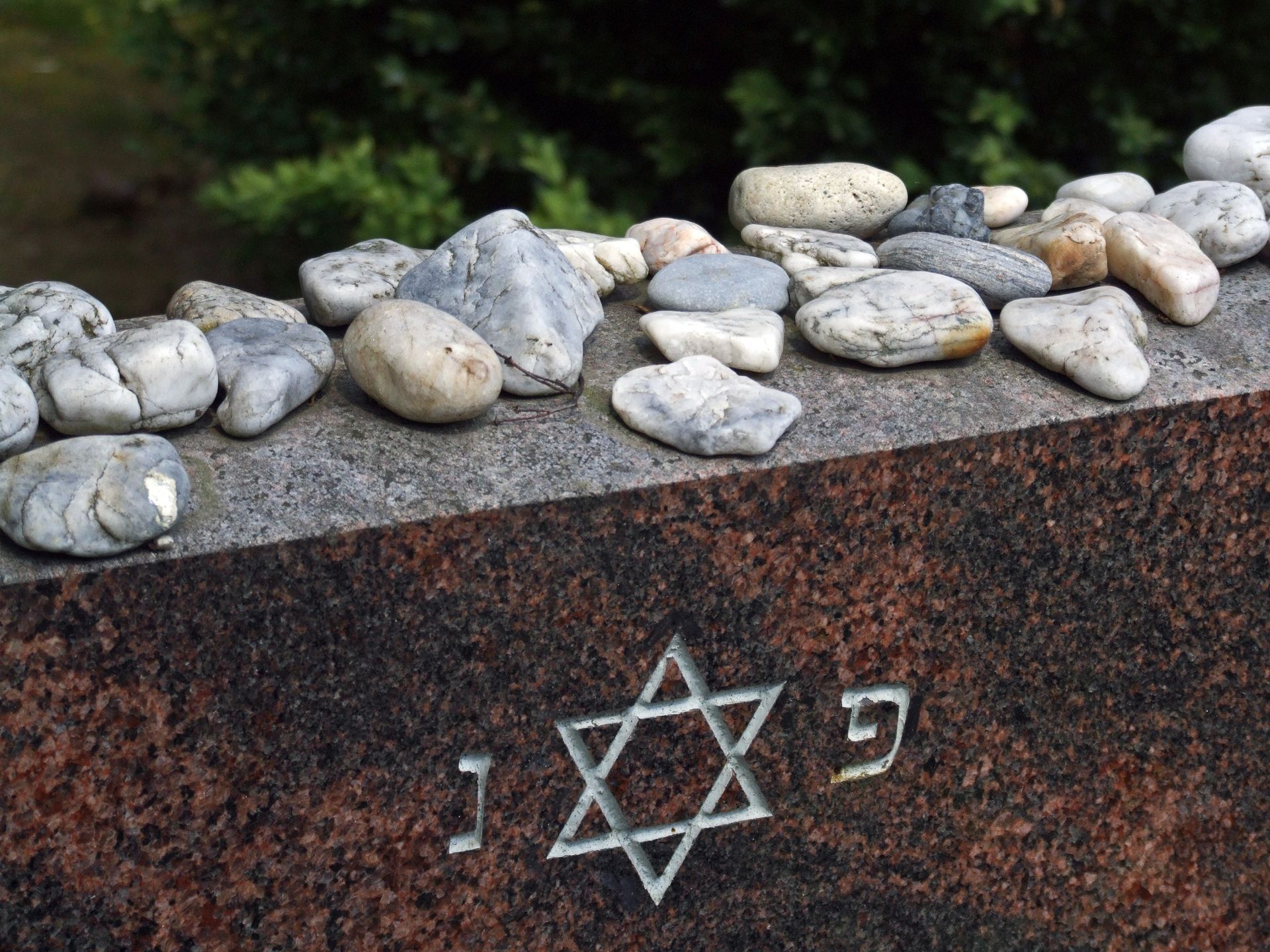
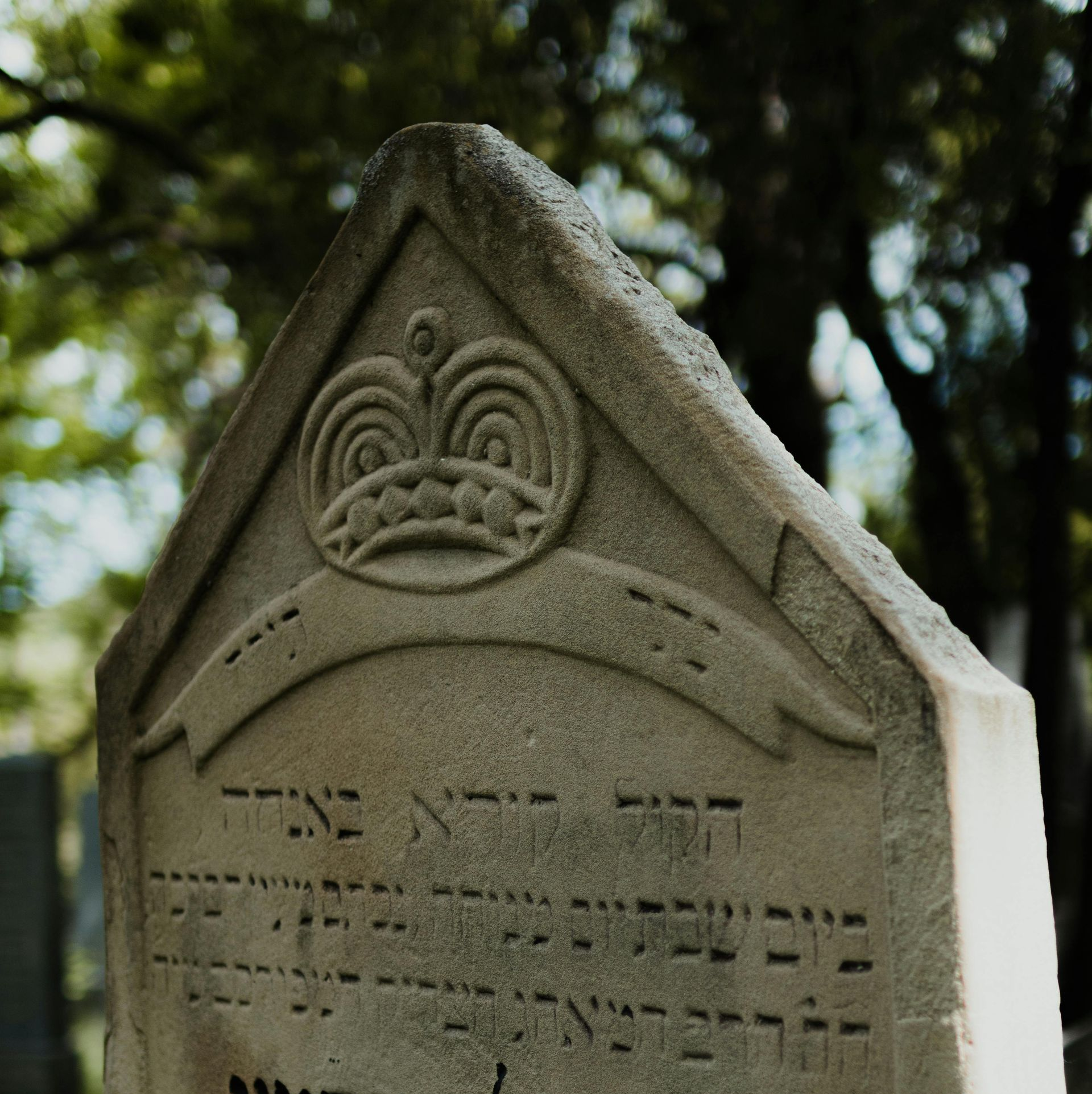
Another important tradition is visiting the gravesite, particularly during anniversaries, holidays, or during the unveiling ceremony when the headstone is formally dedicated.
Grave visits provide a quiet space for reflection. Visitors often recite psalms, say Kaddish, or simply spend time remembering. It is also customary to place small stones on the grave marker as a sign that someone has visited and remembered.
This simple gesture reflects a powerful idea in Jewish tradition: memory is not fleeting—it is enduring and tangible.
Acts of Kindness in a Loved One’s Name
One of the most meaningful ways to honor someone’s memory is by continuing the values they lived by. In Jewish thought, performing good deeds in memory of the deceased elevates the soul and brings merit to their name.
Families may choose to:
- Donate to charitable causes that mattered to the person
- Volunteer in the community
- Support educational or religious institutions
- Help others in need
These acts of kindness transform memory into action. Rather than existing only in the past, the loved one’s influence continues through the positive impact made in their name.
Passing Down Stories to Future Generations
Memory is also preserved through storytelling. Children and grandchildren may not have known the person who passed away, but they can still develop a connection through family stories.
Sharing memories—whether about a grandparent’s humor, generosity, resilience, or faith—ensures that future generations understand where they come from. These stories often become a living link between past and present.
In Jewish culture, family narratives are considered an essential part of identity. Just as the Jewish people remember their collective history, families remember the individuals who shaped their lives.
Memorial Traditions Within the Home
Some families create quiet reminders within their homes that honor the memory of a loved one. This may include framed photographs, memorial candles during holidays, or special traditions that were meaningful to the deceased.
For example, a family might cook a favorite dish on a holiday, continue hosting gatherings that the person once organized, or share blessings that were important to them. These gestures allow memory to remain present in daily life.
Rather than focusing solely on loss, these traditions often celebrate the personality and values that defined the individual.
Community and Collective Memory
Jewish remembrance is not limited to the family alone. The community also plays a role in honoring those who have passed away. Synagogues may read memorial names during Yizkor services on major holidays, and congregations often remember members who contributed to communal life.
This collective remembrance reinforces the idea that every life leaves a lasting imprint—not only on family members but on the broader community as well.
When memory is shared collectively, it becomes part of a living legacy.
Finding Meaning in Remembrance
Grief can feel overwhelming in the early days after a loss. Yet over time, many families discover that remembrance becomes a source of strength rather than sorrow. Jewish tradition recognizes this transformation.
Through prayer, ritual, storytelling, and acts of kindness, memory evolves from painful absence into meaningful presence. Loved ones are remembered not only for the moment of their passing but for the life they lived and the values they embodied.
Keeping a loved one’s memory alive is ultimately about continuity. It is about carrying forward their kindness, their teachings, and the impact they had on others.
In Jewish tradition, the phrase often shared in remembrance is “May their memory be a blessing.” This sentiment reflects the hope that the life of the deceased will continue to inspire goodness, compassion, and faith in those who remember them.
Through these traditions of remembrance, Jewish families ensure that while a life may end, its influence never truly fades.