What Is Yahrzeit and How Is It Observed?
Remembering a loved one does not end after the funeral.
In Jewish tradition, remembrance is an ongoing act of love and respect, carried forward through meaningful customs that help keep a person’s memory alive. One of the most important of these traditions is Yahrzeit.
For families served by Eden Memorial Chapels in Fort Lee, New Jersey, Yahrzeit offers a structured and meaningful way to reflect, honor, and reconnect with the memory of someone who has passed. Whether you are observing it for the first time or supporting someone who is, understanding its purpose and traditions can help you approach the day with intention and comfort.
What Is Yahrzeit?
Yahrzeit is the anniversary of a loved one’s passing, observed each year according to the Hebrew calendar. The word itself comes from Yiddish, meaning “year time.” Unlike standard anniversaries based on the Gregorian calendar, Yahrzeit follows the Jewish lunar calendar, so the date may shift each year slightly.
This day is considered a time for reflection, remembrance, and spiritual connection. It is not marked by large gatherings or formal ceremonies, but rather by quiet, meaningful acts that honor the life and legacy of the person being remembered.
To better understand how Yahrzeit fits within broader traditions, many families find it helpful to explore Jewish funeral customs as part of their journey through mourning and remembrance.
The Meaning Behind Yahrzeit
At its core, Yahrzeit is about continuing a relationship with the memory of a loved one. Jewish tradition teaches that while a person may no longer be physically present, their influence, values, and spirit remain part of the lives they touched.
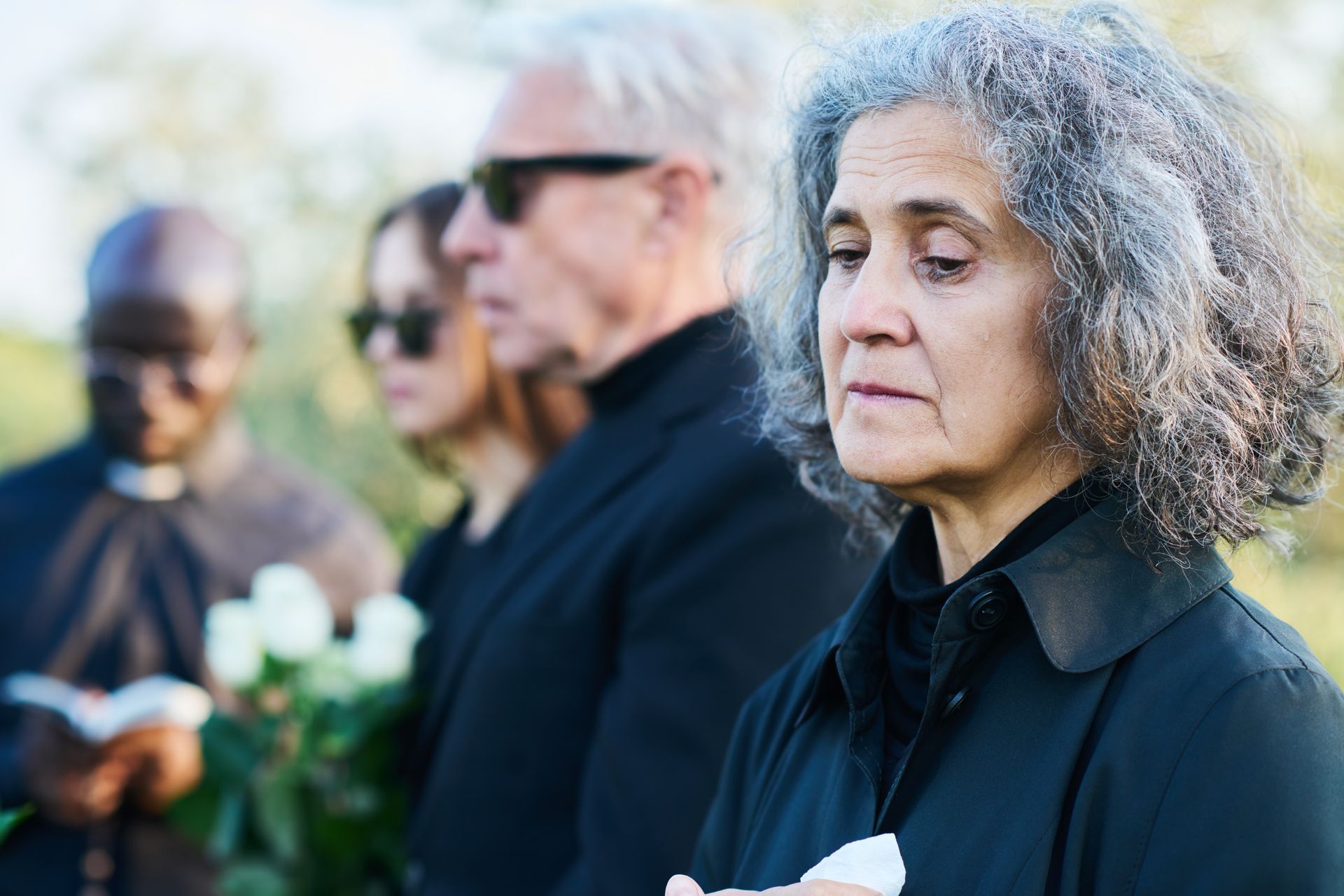
Observing Yahrzeit allows individuals and families to pause and reflect on those lasting connections. It is a time to remember not only the loss, but also the life that was lived, the lessons shared, and the impact that continues to shape those left behind.
For many, it also provides a structured way to process grief over time. Revisiting memories each year can bring a sense of continuity and healing.
Common Ways Yahrzeit Is Observed
There are several traditional practices associated with Yahrzeit, though each family may choose to observe them in a way that feels most meaningful.
Lighting a Yahrzeit Candle
One of the most widely recognized customs is lighting a Yahrzeit candle. This candle is lit at sunset on the evening before the anniversary and burns for approximately 24 hours.
The flame symbolizes the soul, offering a quiet and visual reminder of the enduring presence of a loved one. Many families place the candle in a central part of the home, allowing it to serve as a gentle focus throughout the day.
Reciting the Mourner’s Kaddish
Another important tradition is the recitation of the Mourner’s Kaddish, a prayer that praises God rather than focusing directly on loss. It is typically said in a synagogue as part of a communal prayer service.
For those who are unable to attend in person, some may choose to say prayers at home or reflect privately. The intention behind the act is what matters most.
To gain deeper insight into the significance of these practices, you may find it helpful to review funeral rituals, which outline the traditions that continue beyond the funeral itself.
Visiting the Gravesite
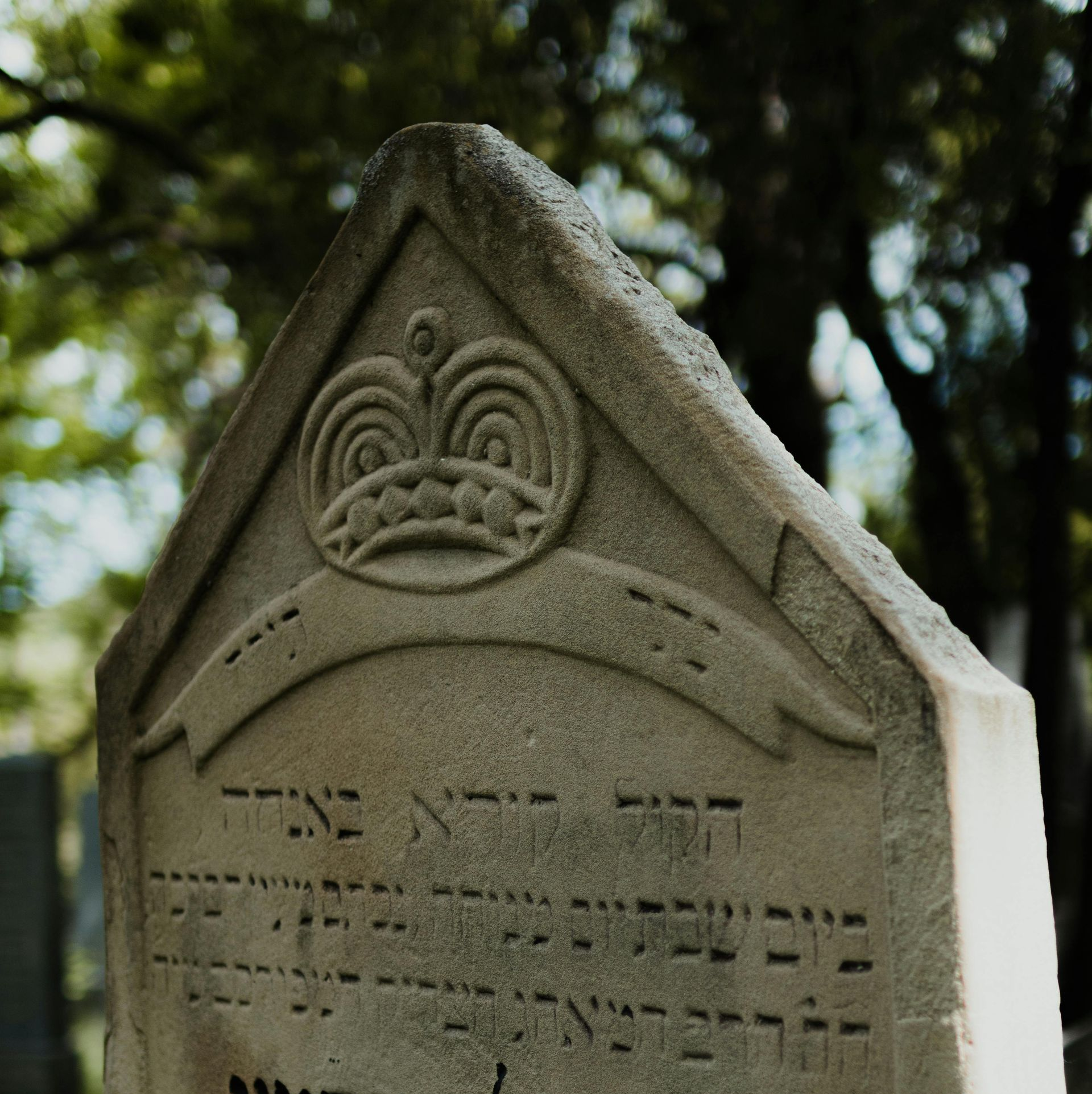
Some families choose to visit the gravesite on or around the Yahrzeit date. This can be a quiet moment for reflection, prayer, or simply spending time in remembrance.
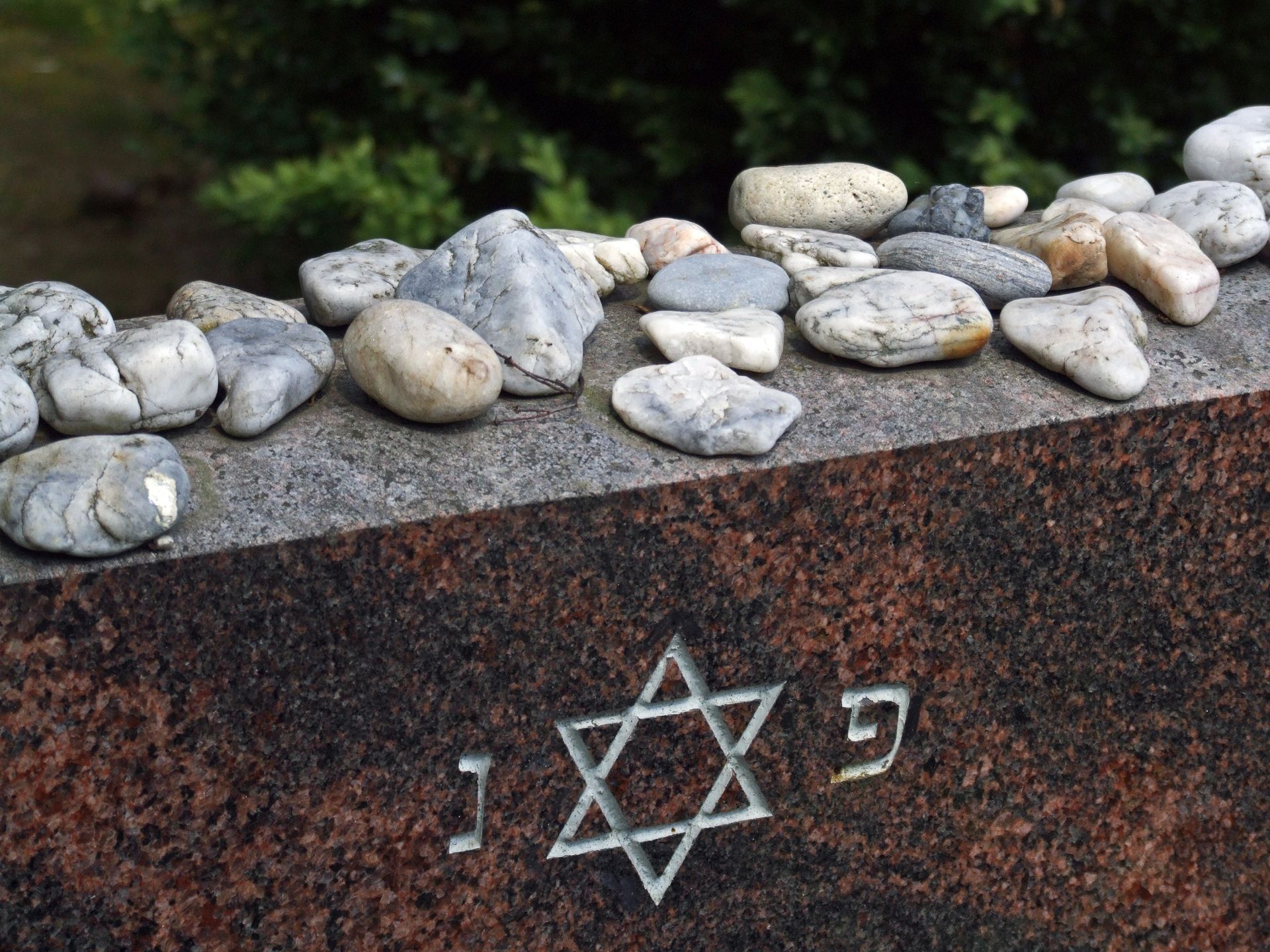
It is customary to place a small stone on the headstone as a sign of visitation and respect. This simple act carries deep meaning within Jewish tradition, symbolizing permanence and remembrance.
Giving Charity in Their Memory
Performing acts of kindness or giving charity, known as tzedakah, is another meaningful way to observe Yahrzeit. Many believe that doing good deeds in a loved one’s name honors their legacy and continues the positive impact they had during their lifetime.
Personalizing the Day of Remembrance
While there are traditional elements associated with Yahrzeit, there is also room for personal expression. Some families gather to share stories, prepare a favorite meal of the person who has passed, or spend time looking through photographs.
Others may choose to reflect quietly, journal, or engage in spiritual practices that feel meaningful to them. There is no single way to observe Yahrzeit, and each approach can be valid and meaningful.
If you are navigating grief or looking for ways to process these emotions, resources like the grieving process can offer helpful guidance and support.
Supporting Someone Observing Yahrzeit
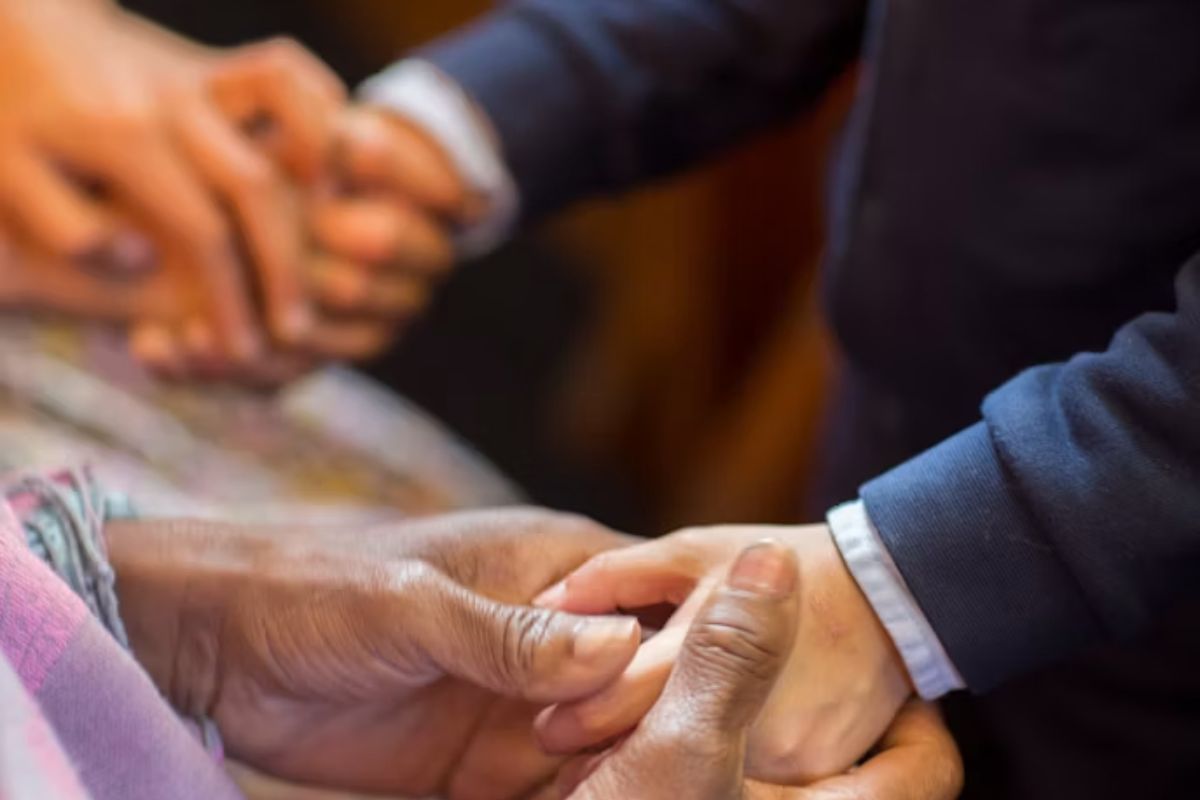
If someone you know is observing Yahrzeit, a simple message of remembrance or acknowledgment can mean a great deal. Unlike the immediate days following a loss, anniversaries can sometimes feel more private, and gestures of support are often deeply appreciated.
Consider reaching out with a kind message, sharing a memory, or simply letting them know you are thinking of them. There is no need for elaborate words; sincerity is what matters most.
Understanding the customs surrounding mourning, including shiva and mourning traditions, can also help you offer support in ways that feel appropriate and respectful.
A Lasting Connection Through Tradition
Yahrzeit is more than a date on the calendar. It is a reminder that love and memory continue, even after loss. Through small but meaningful acts, individuals and families can maintain a connection that evolves.
For many, these traditions bring a sense of peace, grounding, and continuity. They offer a way to honor the past while continuing forward with intention and care.
If you have questions about Jewish traditions or would like guidance in planning or remembering a loved one, you can visit and connect with someone here.