Jewish Mourning Periods Explained: Shiva, Shloshim, and Yahrzeit
Grief in Jewish tradition is not a single moment but a journey, one that unfolds gradually through carefully observed stages.
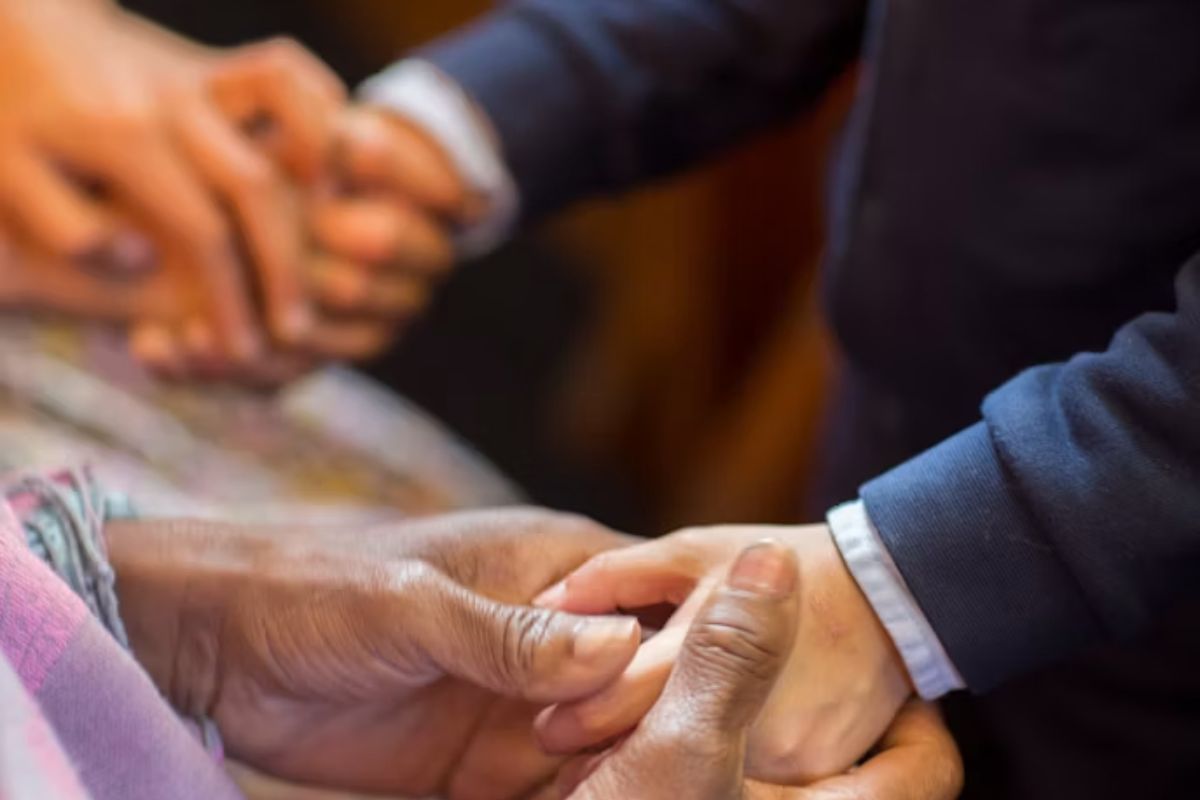
Each period of mourning is designed to honor the deceased while supporting the living as they navigate loss. For families in Fort Lee and throughout the Tri-State Area, understanding these mourning periods can bring meaning and structure to a time that often feels overwhelming. From the intensity of Shiva to the quiet reflection of Yahrzeit, Jewish customs offer a path through grief that is both timeless and deeply human.
The Wisdom Behind Jewish Mourning Traditions
Jewish mourning practices are rooted in thousands of years of wisdom, designed to acknowledge the depth of grief while gently guiding mourners back to daily life. Rather than asking the bereaved to move on quickly, these traditions create space for sorrow, remembrance, and healing. Each stage has its own purpose, allowing emotions to be expressed openly and processed in community.
The structure of Jewish mourning reflects a profound understanding of human psychology. Grief is not something to be rushed or hidden. It is honored as a natural response to love and loss, and the rituals provide both comfort and direction during one of life's most difficult passages.
Shiva: The First Seven Days
Shiva, meaning "seven" in Hebrew, is the most intense and well-known period of Jewish mourning. It begins immediately after the burial and lasts for seven days. During this time, close family members, including parents, children, siblings, and spouses, remain at home to mourn together.
What Happens During Shiva
Mourners traditionally sit on low chairs or stools, symbolizing the weight of grief and the temporary departure from everyday comforts. Mirrors are often covered, reflecting the idea that mourning is a time to focus inward rather than on appearance. Candles are lit to honor the soul of the deceased, and prayer services may be held in the home.
Friends, neighbors, and community members visit the family during Shiva to offer condolences, share memories, and provide meals. This practice, known as a Shiva call, is considered a mitzvah and plays an important role in helping the bereaved feel supported. The presence of others reminds mourners that they are not alone in their sorrow.
The customs observed during this period are part of broader Shiva and mourning traditions that have been passed down through generations. These rituals create a sacred space for grief, allowing families to step away from the demands of daily life and focus entirely on remembrance.
The Purpose of Shiva
Shiva is not only about mourning the deceased but also about beginning the slow process of healing. By gathering together and sharing stories, families honor the legacy of their loved one while drawing strength from one another. The structure of Shiva provides a container for grief, ensuring that mourners are surrounded by love during the rawest days of loss.
Shloshim: Thirty Days of Transition
After Shiva ends, the next phase of mourning, known as Shloshim, begins. The word means "thirty" in Hebrew, referring to the thirty days following the burial, including the first seven days of Shiva. During Shloshim, mourners gradually return to their regular routines while still observing certain restrictions.
Customs Observed During Shloshim
While mourners resume work and daily activities, they continue to refrain from joyful events such as weddings, parties, and live music. Men traditionally do not shave or cut their hair, and many continue to recite the Mourner's Kaddish daily in synagogue. These practices serve as a quiet reminder that grief is still present, even as life begins to move forward.
Shloshim acts as a bridge between the intensity of Shiva and the slower rhythm of long-term mourning. It acknowledges that healing takes time and that returning to normalcy should be gradual rather than abrupt. For most relatives, Shloshim marks the end of formal mourning. However, for those who have lost a parent, mourning continues for an additional eleven months.
The Year of Mourning for Parents
When a person loses a parent, Jewish tradition recognizes the unique depth of that bond by extending the mourning period to a full year. During these twelve months, mourners continue to recite Kaddish, typically for eleven months, and refrain from attending celebrations or festive gatherings.
This extended period reflects the lifelong influence of a parent and the time needed to fully honor their memory. It also encourages adult children to reflect on the values, lessons, and love passed down through generations. Many find that this year becomes a meaningful spiritual journey, deepening their connection to their heritage and to the loved one they have lost.
For families seeking guidance through this season, understanding the grieving process can be invaluable. Knowing what to expect emotionally and spiritually can help mourners move through each stage with greater awareness and self-compassion.
Yahrzeit: Remembering Across the Years
Yahrzeit, a Yiddish word meaning "time of year," refers to the annual anniversary of a loved one's death. Observed each year on the Hebrew calendar date of passing, Yahrzeit is a time for quiet remembrance and spiritual connection.
How Yahrzeit Is Observed
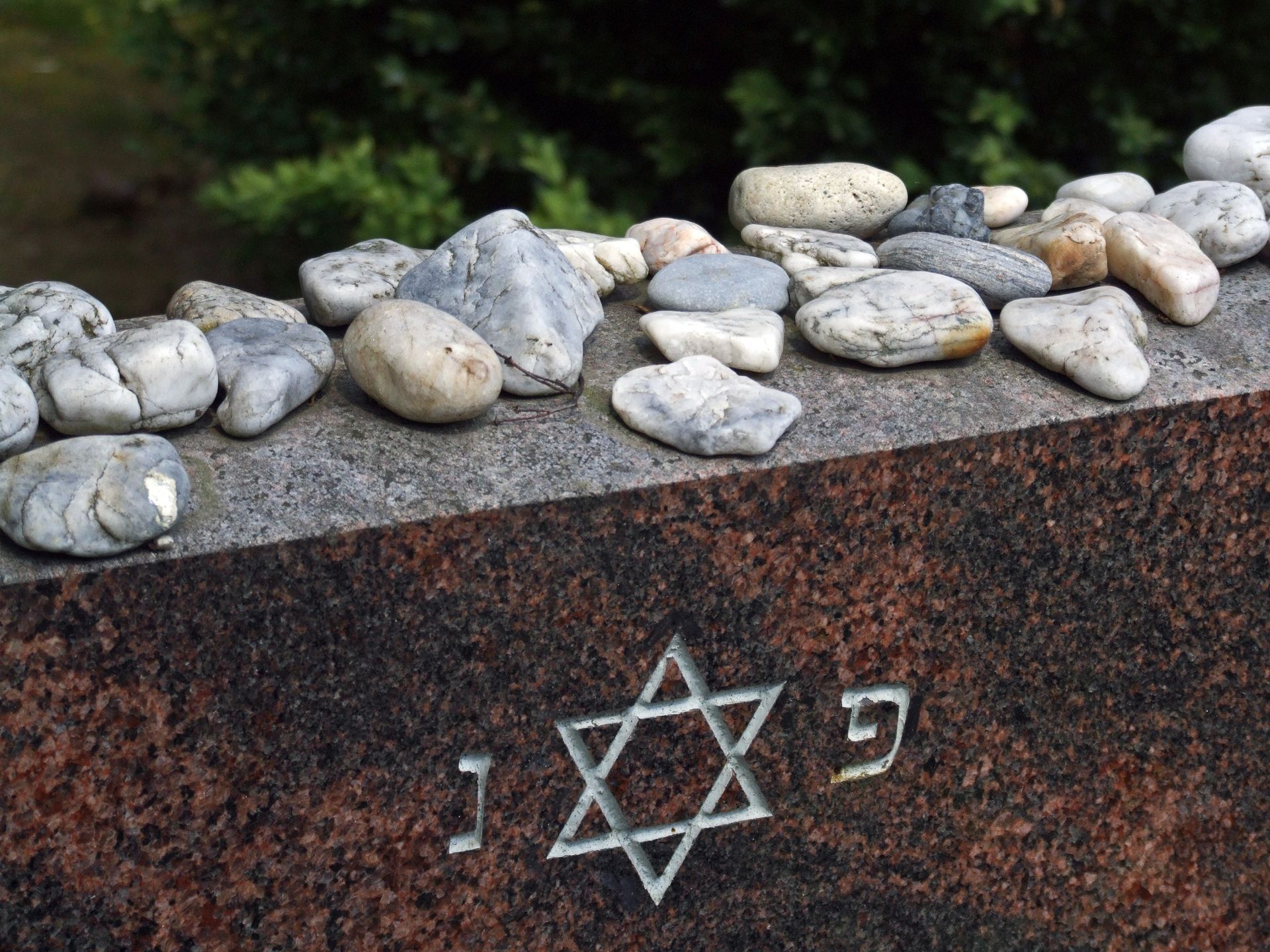
On Yahrzeit, family members traditionally light a memorial candle that burns for twenty-four hours, symbolizing the eternal nature of the soul. Many attend synagogue to recite Kaddish, and some visit the gravesite to leave a small stone as a sign of remembrance. Acts of charity, study, and good deeds performed in the loved one's name are also common ways to honor their memory.
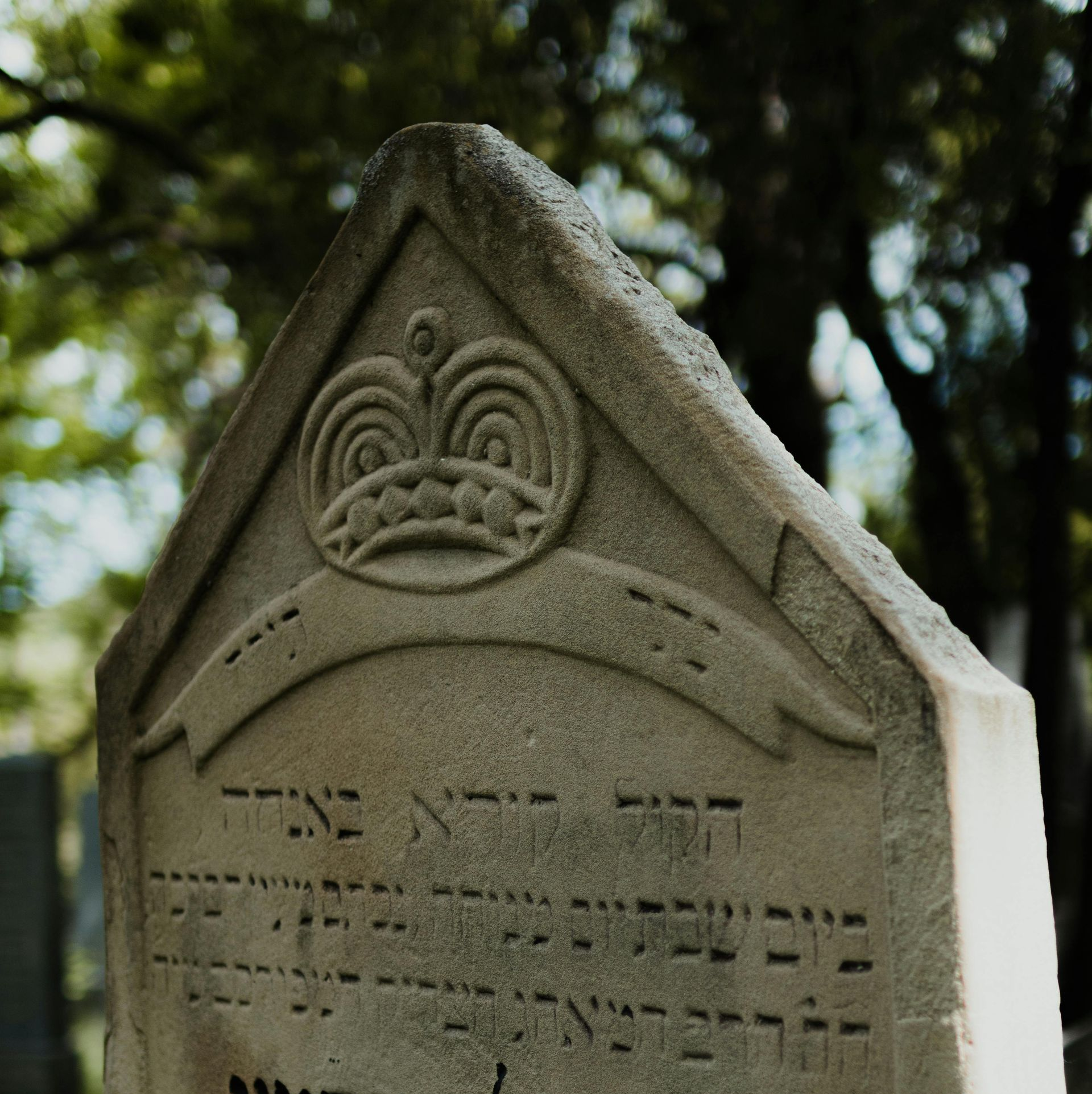
Yahrzeit serves as an enduring reminder that love does not end with death. Year after year, families pause to remember, reflect, and reaffirm the bond they shared with those who came before them. Many families also commemorate their loved ones through monuments and inscriptions that stand as lasting tributes at the gravesite.
Walking Through Grief With Compassionate Support
The Jewish mourning periods of Shiva, Shloshim, and Yahrzeit offer a thoughtful framework for navigating loss. Each stage provides space to grieve, remember, and heal in ways that honor both tradition and the individual journey of every mourner.
For over thirty years, Eden Memorial Chapels has supported Jewish and interfaith families through every step of these sacred customs. Whether you are planning a service or seeking guidance through mourning, the caring team at Eden Memorial Chapels is here to help. Located just minutes from the George Washington Bridge in Fort Lee, we proudly serve families throughout the Tri-State Area. Please reach out to our compassionate staff whenever you need a listening ear or thoughtful guidance. We are honored to walk beside you with the dignity and care your family deserves.