Is Cremation Allowed in Judaism? Understanding Different Perspectives
Cremation is one of the most sensitive and debated topics in Jewish end-of-life decisions.

For families in Fort Lee and throughout the Tri-State Area, the question often arises during a time of grief, when clarity and compassion matter most. While traditional Jewish law has long favored burial, modern Jewish communities approach cremation with varying degrees of acceptance, reflecting differences in observance, family preferences, and personal beliefs. Understanding these perspectives can help families make informed, respectful choices that honor both their loved one and their faith.
The Traditional Jewish View on Burial
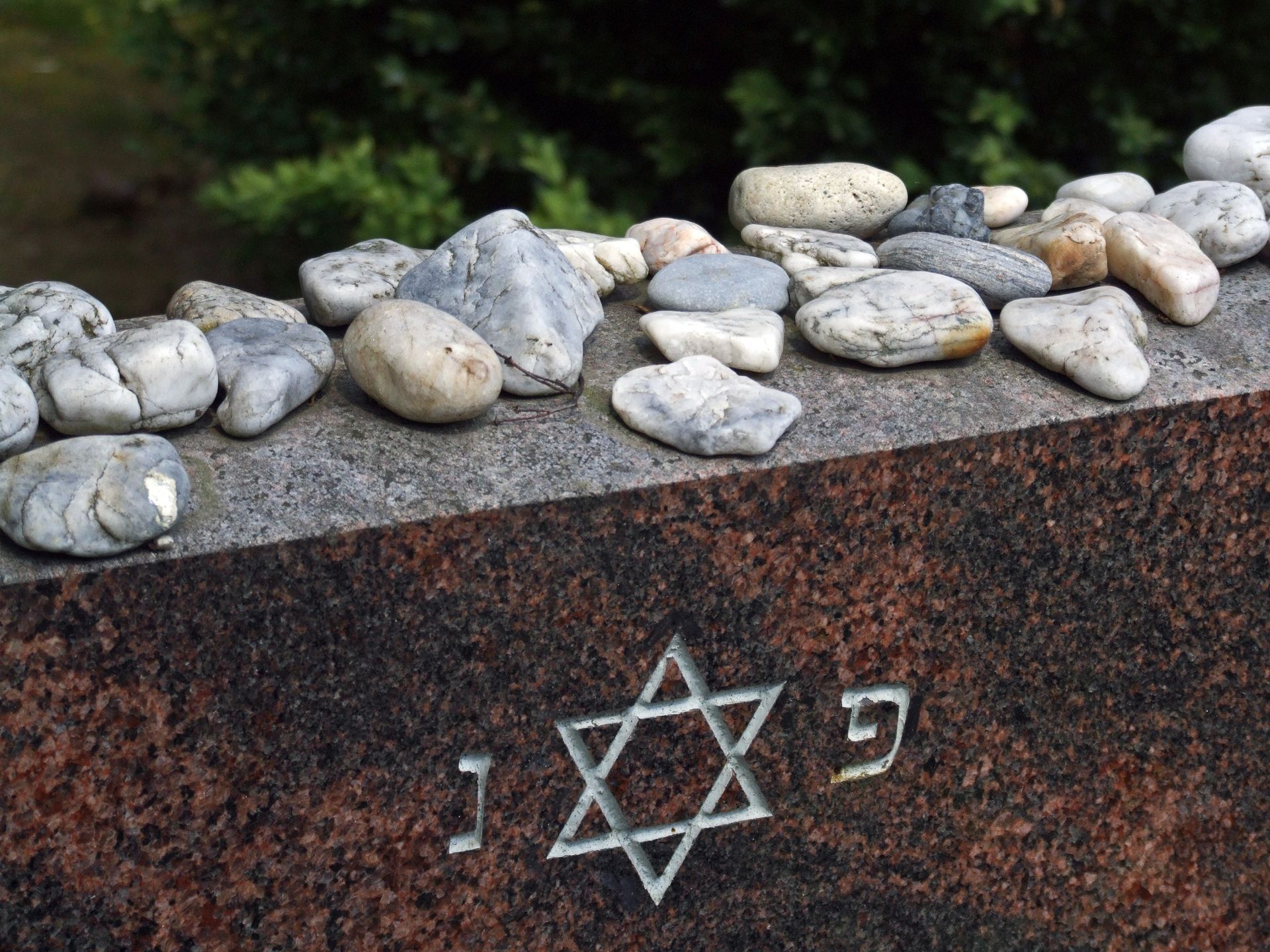
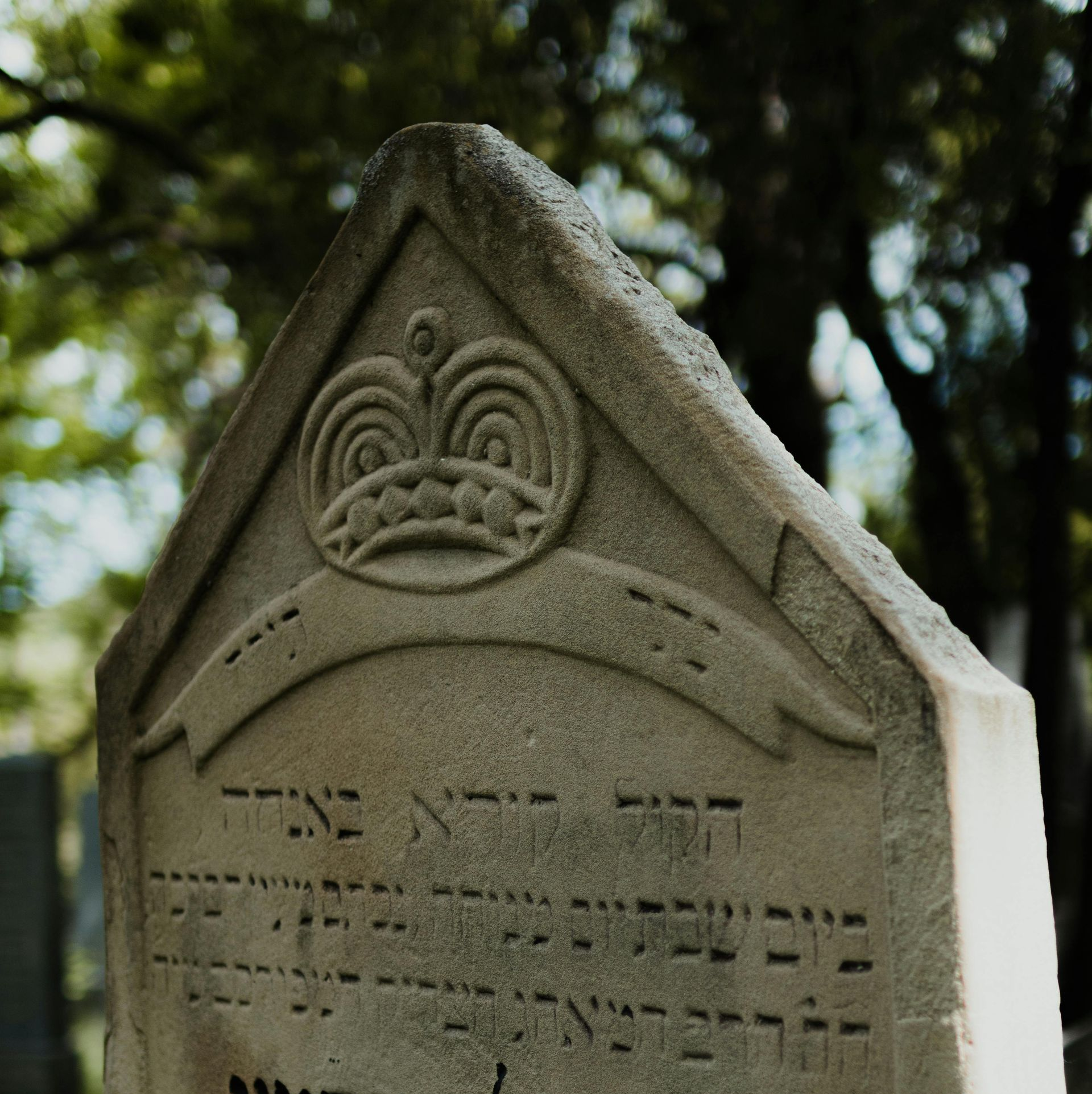
For thousands of years, Judaism has placed deep significance on the practice of burial. Rooted in the teachings of the Torah, the body is considered a sacred vessel that houses the soul and is therefore returned to the earth with reverence. The verse from Genesis, "For dust you are, and to dust you shall return," is often cited as the foundation for in-ground burial. This belief shapes many of the customs and rituals observed during Jewish funerals, from the preparation of the body to the timing of the service.
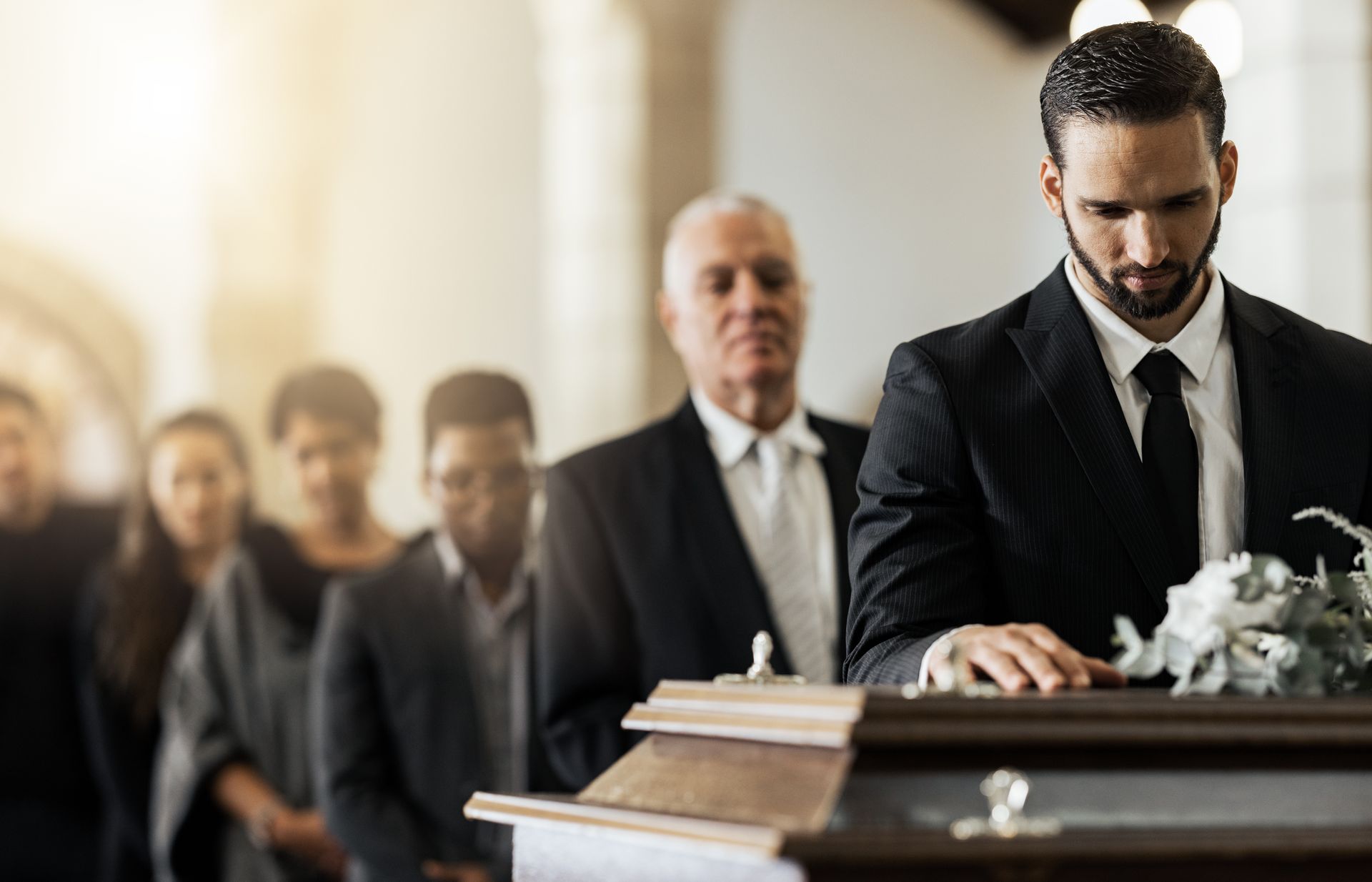
In Orthodox Judaism, burial is not only preferred but considered a mitzvah, a sacred obligation. The body is washed, dressed in simple white shrouds, and placed in a plain wooden casket, all symbols of equality in death. Cremation, in this view, is seen as a departure from these long-held traditions and is generally not permitted under Halacha, or Jewish law.
Why Cremation Has Historically Been Discouraged
The discouragement of cremation in traditional Judaism stems from several theological and historical reasons. First, the belief in the eventual resurrection of the dead is central to many Jewish teachings. The physical body is considered essential to this future event, and its destruction through cremation is seen as conflicting with that belief.
Second, the Holocaust left a profound mark on Jewish consciousness regarding cremation. The mass cremation of Jewish victims in concentration camps created a strong emotional and cultural aversion to the practice. For many Jewish families, choosing burial is not only a religious act but also a way of honoring the memory of those who were denied dignified rest.
Third, Jewish funeral traditions emphasize the sanctity of the body even after death. Practices such as Tahara, the ritual washing and purification performed before burial, reflect the belief that the body deserves respect and care throughout the entire mourning process.
How Different Jewish Movements View Cremation
While Orthodox Judaism maintains a firm stance against cremation, other movements have taken a more flexible approach over the years.
Conservative Judaism
Conservative Judaism generally discourages cremation but does not always outright forbid it. Many Conservative rabbis will officiate at a funeral service for someone who has chosen cremation, though some may decline to participate in the cremation itself. The movement places strong importance on preserving Jewish tradition while acknowledging the realities of modern family choices.
Reform Judaism
Reform Judaism takes the most permissive stance. While traditional burial is still encouraged, Reform rabbis often respect a family's decision to choose cremation. The movement emphasizes personal autonomy and the spiritual intent behind end-of-life decisions rather than strict adherence to ritual law. This flexibility allows interfaith families and those with diverse beliefs to find meaningful ways to say goodbye.
Reconstructionist and Secular Perspectives
Reconstructionist Judaism and secular Jewish families often approach cremation with even greater openness. For these communities, the decision is typically based on personal values, environmental considerations, or family preferences. Many choose to incorporate Jewish rituals such as shiva, memorial prayers, and the recitation of Kaddish, even when cremation is selected.
Balancing Tradition With Personal Choice
For many Jewish families today, the decision between burial and cremation involves more than religious doctrine. Factors such as cost, environmental impact, family logistics, and personal beliefs all play a role. Some families choose cremation while still observing other meaningful Jewish customs, including mourning rituals and memorial gatherings.
Eden Memorial Chapels has served the Jewish community for over thirty years, offering compassionate guidance to families of all observance levels. Whether a family chooses traditional burial or considers cremation as part of their final arrangements, our team provides care that respects each family's unique circumstances. We work closely with Orthodox, Conservative, and Reform rabbis to ensure that every service reflects the family's values.
Planning Ahead With Sensitivity and Care
One of the most thoughtful gifts a person can give their loved ones is the peace of mind that comes with planning their final arrangements in advance. Pre-planning allows individuals to discuss their wishes openly, whether they prefer traditional burial or cremation, and ensures that their choices align with both their faith and their family's needs.
Pre-planning also helps families avoid difficult decisions during an already painful time. It opens the door to honest conversations about meaning, legacy, and the kind of service that best reflects a life well lived.
A Compassionate Path Forward
Choosing between burial and cremation is deeply personal, and there is no single answer that fits every Jewish family. What matters most is that the decision is made with thoughtfulness, respect for tradition, and love for the one being honored. By understanding the different perspectives within Judaism, families can make choices that feel authentic and meaningful.
If you are exploring options or seeking guidance for a loved one, the caring team at Eden Memorial Chapels is here to listen and help. Located just minutes from the George Washington Bridge in Fort Lee, we proudly serve Jewish and interfaith families throughout the Tri-State Area. To learn more or speak with someone who understands, please reach out to us today. We are honored to walk beside you with the compassion and respect your family deserves.