Balancing Tradition and Personal Wishes in Jewish Funerals
Jewish funeral traditions have endured for thousands of years, offering structure, dignity, and spiritual grounding at a time of profound loss.

These customs—rooted in halacha (Jewish law), community responsibility, and deep respect for the deceased—help guide families through moments when decisions can feel overwhelming. At the same time, modern Jewish families are often navigating diverse backgrounds, levels of observance, and personal values. This reality naturally raises an important question: how can a family honor Jewish tradition while also reflecting the individuality and wishes of the person who has died?
Balancing tradition and personal expression is not a contradiction within Jewish funerals. In many ways, it has always been part of Jewish practice. Understanding where Jewish law is firm, where custom allows flexibility, and how personal values can be thoughtfully incorporated can help families make choices that feel both authentic and respectful.
The Purpose Behind Jewish Funeral Traditions
Before considering how personal wishes fit in, it is helpful to understand why Jewish funeral practices exist in the first place. At their core, these traditions emphasize kavod hamet—honoring the deceased—and nichum aveilim—comforting the mourners.
Key elements such as prompt burial, simplicity in caskets, and modest services are designed to promote humility and equality in death. They also protect families from feeling pressure to make elaborate or performative choices during a time of grief. Rather than focusing on spectacle, Jewish funerals center on dignity, prayer, and community support.
These principles form the foundation upon which all Jewish funeral decisions rest, regardless of whether a family identifies as Orthodox, Conservative, Reform, or culturally Jewish.
Where Jewish Law Is Fixed—and Why It Matters
Certain aspects of a Jewish funeral are governed by halacha and leave little room for alteration. These elements are considered essential to maintaining the integrity of Jewish burial practice.
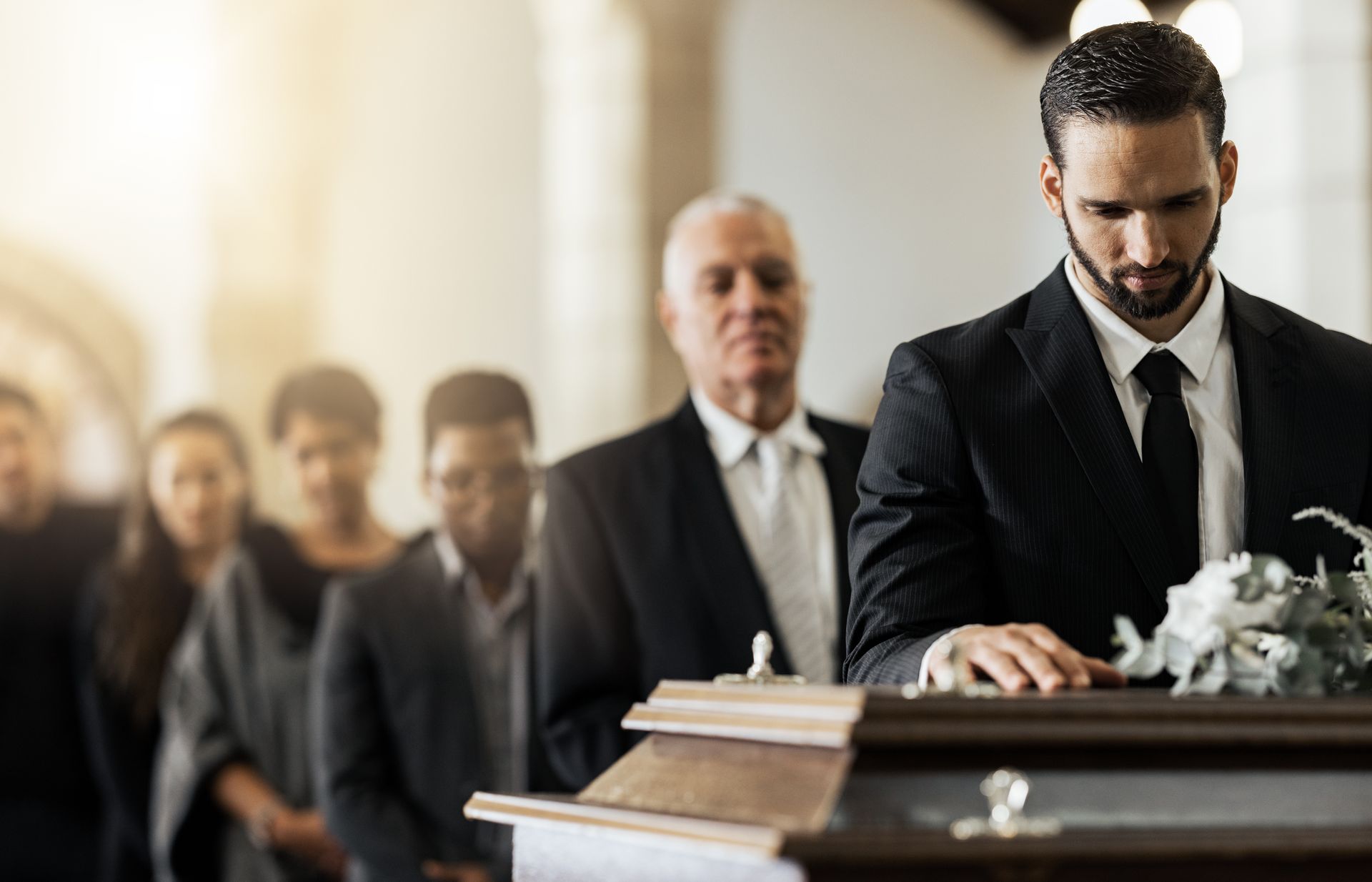
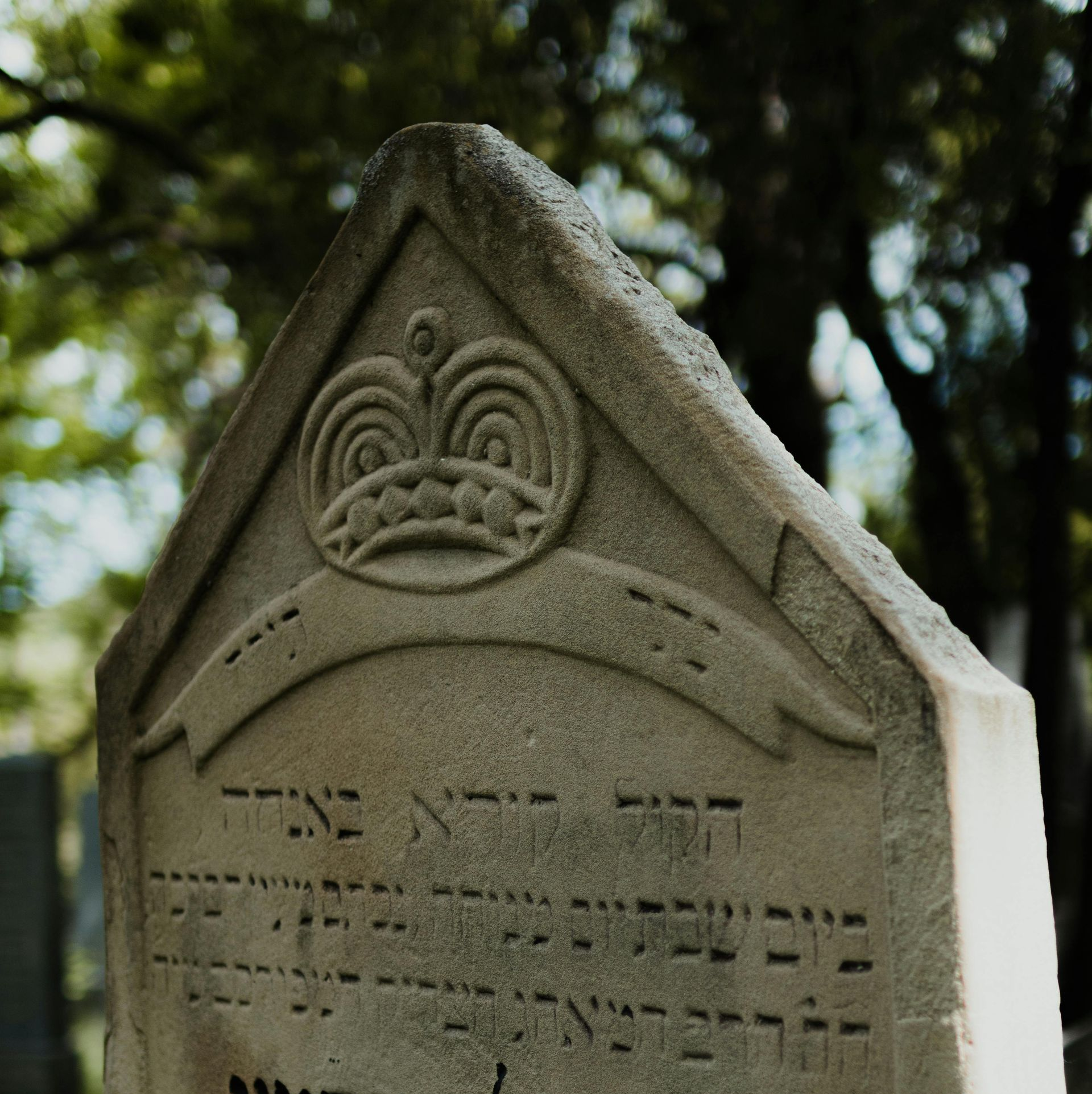
For example, traditional Jewish burial involves burial in the ground, the use of a simple casket (often all wood with no metal), and avoiding unnecessary delays. The body is treated with great care, including ritual preparation, and is never left alone prior to burial. Eulogies and prayers follow established formats, and cremation is traditionally prohibited in Orthodox and Conservative practice.
These boundaries exist not to limit families, but to ensure that the deceased is treated with dignity and that the funeral fulfills its spiritual purpose. Understanding these non-negotiable elements helps families know where adaptation is appropriate—and where it is not.
Areas Where Personal Wishes Can Be Honored
Within the structure of Jewish tradition, there are meaningful opportunities for personalization. These choices allow families to reflect the life, values, and personality of their loved one without compromising religious integrity.
Choosing the Type of Service
Jewish funerals may be held graveside, in a chapel, or occasionally in another appropriate setting. A graveside service is often simpler and shorter, while a chapel service may allow for more structured eulogies and participation. Families can choose the setting that best reflects their loved one’s preferences and the needs of those attending.
Selecting Readings and Reflections
While certain prayers are standard, eulogies offer space for personal storytelling. Family members or Rabbis may highlight the individual’s character, values, and life experiences. For some families, this includes emphasizing community involvement, acts of kindness, or personal passions that defined the person’s life.
Language and Cultural Considerations
Services may be conducted primarily in Hebrew, English, or a combination of both, depending on the family and community. This flexibility allows attendees of varying backgrounds to feel included while maintaining the sacred elements of the service.
Involvement of Family and Community
Jewish tradition encourages participation, particularly in acts such as accompanying the deceased, placing earth on the grave, and attending shiva. Families may choose how actively they want mourners involved, based on comfort level and custom.
Navigating Different Levels of Observance Within One Family
It is increasingly common for families to include members with differing relationships to Judaism. One sibling may be deeply observant, while another connects more culturally or spiritually. Balancing these perspectives can be emotionally challenging during a time of loss.
Open communication and guidance from experienced Jewish funeral professionals or clergy can help families find common ground. Often, honoring core traditions while allowing personal expression in eulogies or post-funeral gatherings creates a sense of unity rather than conflict.
The goal is not perfection, but intention—making choices that respect Jewish values while acknowledging the reality of modern Jewish family life.
Personal Wishes Expressed Before Death
Some individuals share their funeral preferences in advance, either verbally or through written plans. These wishes may include specific Rabbis, types of services, or cultural elements that were meaningful to them.
When personal wishes align with Jewish tradition, they are usually easy to honor. When they conflict, families may need guidance to understand what can be adapted and what may require thoughtful alternatives. For example, a person’s desire for certain music or readings might be incorporated into a memorial gathering or shiva rather than the funeral service itself.
Pre-planning conversations can be especially valuable, as they reduce uncertainty and give families clarity during an emotionally difficult time.
The Role of the Funeral Director in Finding Balance
Jewish funeral directors play a crucial role in helping families navigate these decisions. Their responsibility is not only logistical, but also educational and supportive. By explaining the meaning behind traditions and outlining available options, they help families feel confident in the choices they make.
An experienced Jewish funeral professional understands that no two families—and no two lives—are the same. Their guidance can help ensure that services feel personal without straying from the traditions that give Jewish funerals their enduring significance. For families who have questions or would benefit from one-on-one guidance, speaking directly with a knowledgeable Jewish funeral director can provide reassurance and clarity during a difficult time.
Honoring Life Within the Framework of Tradition
Balancing tradition and personal wishes in a Jewish funeral is ultimately about respect—respect for the deceased, for Jewish heritage, and for the living family members who are grieving. Jewish tradition provides a strong, compassionate framework that has supported mourners for generations. Within that framework, there is room to acknowledge individuality, tell meaningful stories, and honor what made a life unique.
Rather than limiting expression, Jewish funeral traditions often offer something many families find deeply comforting: a sense that they are part of something larger, timeless, and rooted in shared values. When personal wishes are thoughtfully woven into this structure, the result is a farewell that feels both faithful and deeply human—one that honors the past while speaking honestly to the present.