Jewish Funeral Traditions: What Families Should Know
Jewish funerals are deeply rooted in centuries of faith, tradition, and reverence for life.

Each element of the process—from the moment of passing to the final burial—is guided by Jewish law and the belief in the sanctity of the soul. For families who may be unfamiliar with the customs or wish to better understand the meaning behind them, learning about these traditions can bring comfort, clarity, and connection during a difficult time.
The Importance of Respect and Timeliness
In Judaism, death is regarded with deep respect, and the process of burial follows a sacred order designed to honour both the deceased and the living. One of the most significant principles in Jewish funeral practice is timeliness. Traditionally, a Jewish burial service takes place as soon as possible—ideally within 24 hours of passing. This prompt burial reflects the teaching that the body should return to the earth swiftly, as stated in the Torah: “For dust you are, and to dust you shall return.”
While modern circumstances sometimes make immediate burial difficult, Jewish funeral directors, such as the team at Eden Memorial, work closely with families and rabbis to uphold this important custom whenever possible.
The Role of Tahara: Ritual Purification
Before the burial, the deceased undergoes Tahara, the ritual purification performed by members of a sacred burial society known as the Chevra Kadisha. This ceremony is one of the most profound acts of respect in Jewish tradition.
During Tahara, the body is gently washed, purified, and dressed in simple white linen garments called tachrichim. This attire symbolizes equality in death—reminding all that status, wealth, or position hold no bearing before God. The deceased is then placed in a plain wooden casket, typically made of pine, without metal adornments. This simplicity reflects the Jewish value of humility and the belief that all return to the earth as equals.
Shmira: Watching Over the Deceased
After Tahara, the deceased is never left alone until burial. This practice, known as Shmira, involves a Shomer (guardian) who stays near the body, reciting psalms or prayers. The purpose is twofold: to honour the deceased and to offer spiritual comfort through continuous presence and prayer.
At Eden Memorial, we maintain this sacred tradition by providing facilities and staff trained to uphold Shmira in accordance with Jewish law. Families find great peace knowing that their loved one is cared for with the same dignity and devotion that tradition prescribes.
The Jewish Burial Service
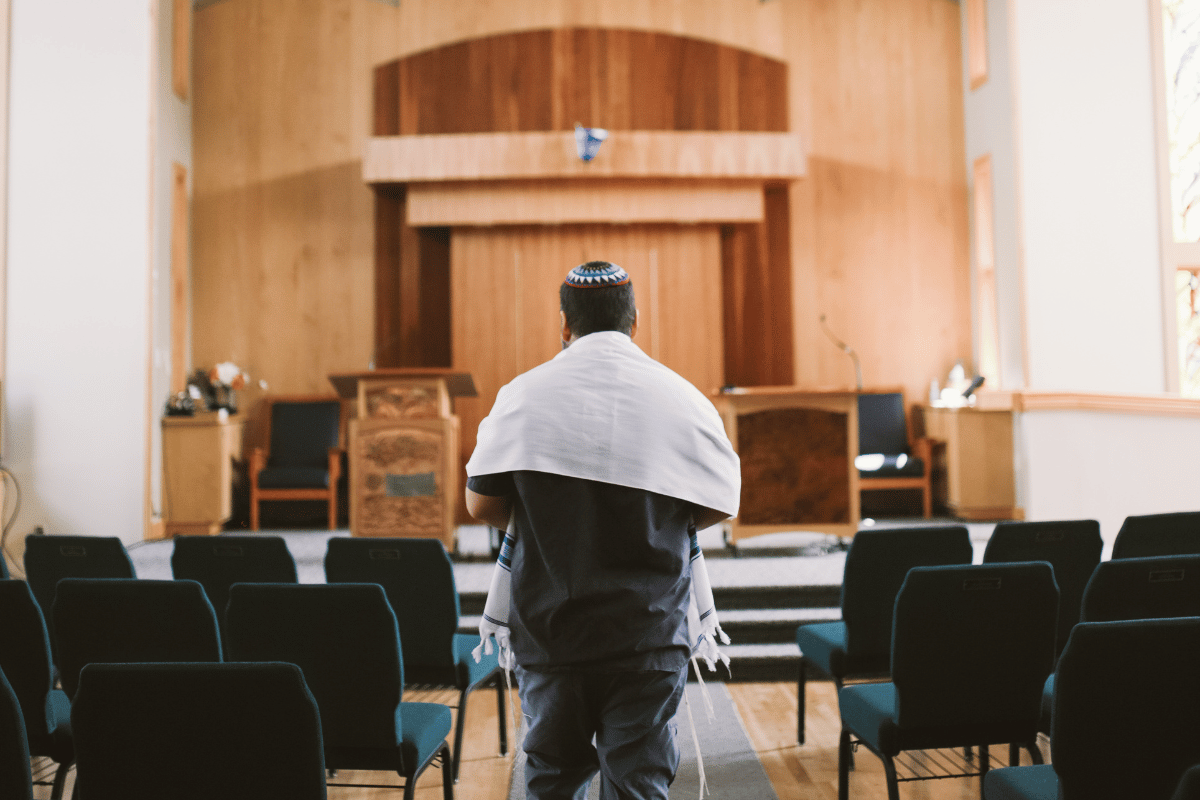
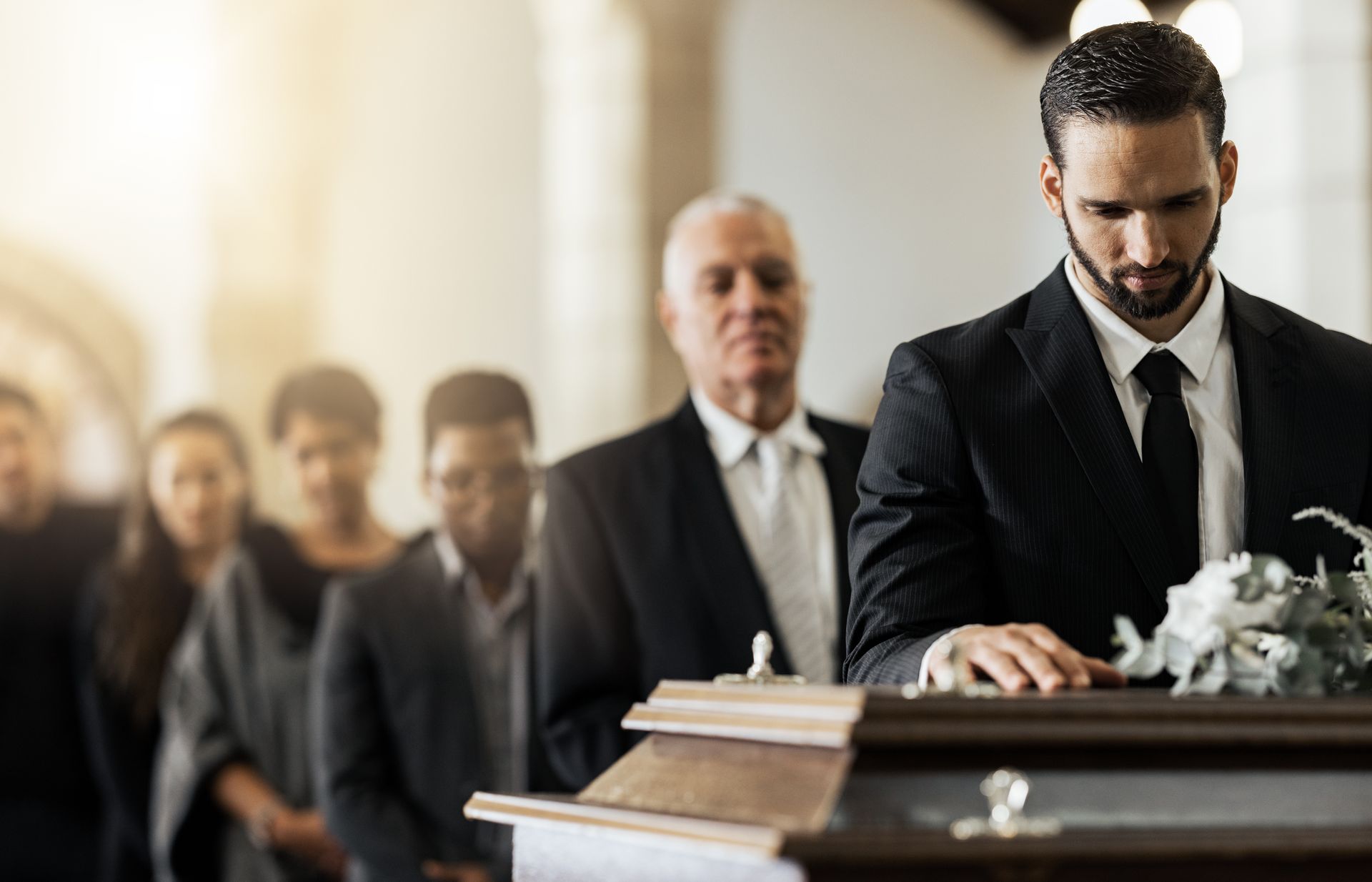
The Jewish funeral itself is marked by simplicity, sincerity, and devotion. Services may take place in a chapel, synagogue, or at the graveside, depending on family preference and rabbinical guidance.
The funeral typically includes the recitation of Psalms, eulogies that reflect the life and values of the deceased, and the El Malei Rachamim, a prayer asking for the soul’s eternal peace. The service concludes with the Kaddish, a prayer affirming faith and the greatness of God, recited by the mourning family.
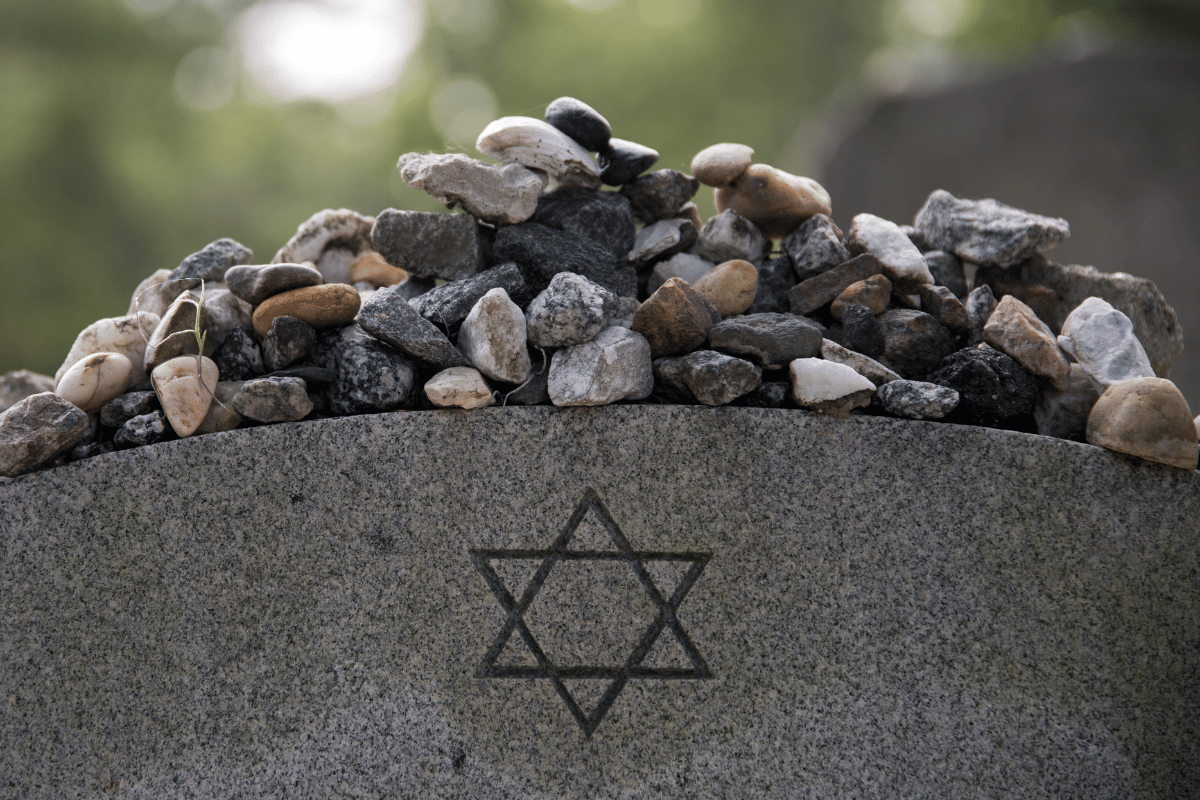
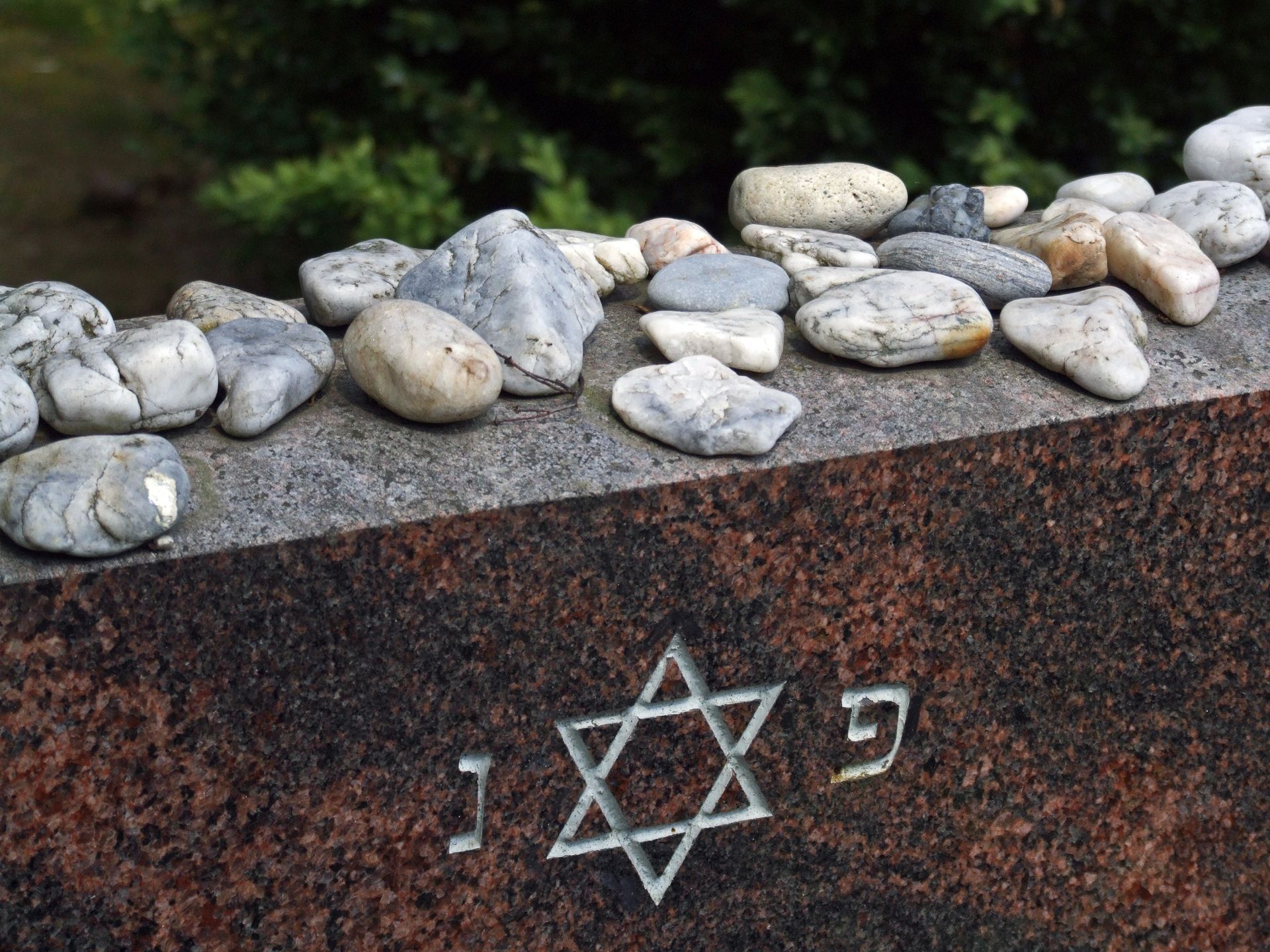
At the cemetery, family members often participate in the burial by placing earth upon the casket—a symbolic act of kindness known as the chesed shel emet, or the truest act of love, since it cannot be repaid.
Mourning Customs and the Shiva Period
After the burial, the focus of Jewish custom turns to the mourners. The seven-day period following the burial, known as Shiva, is a time for family and friends to gather, offer comfort, and reflect. During Shiva, mourners remain at home and receive visitors who bring meals, share memories, and recite prayers.
Mirrors in the home may be covered, symbolizing the community’s focus on the spiritual rather than the physical. Candles are often lit to represent the enduring presence of the soul.
Following Shiva, the mourning process continues through Shloshim (the first 30 days) and, for those mourning a parent, extends for an entire year. These stages allow the bereaved to gradually return to daily life while continuing to honor their loved one’s memory through prayer, charity, and good deeds.
Simplicity and Equality in Death
One of the core tenets of Jewish funeral practice is the idea that all are equal in death. This belief is expressed through the use of unembellished caskets, plain shrouds, and modest ceremonies. The goal is not to display wealth or grandeur but to uphold humility and the sacredness of life.
This simplicity serves as a reminder that every soul holds equal value before God. It also provides families with a sense of peace, knowing that their loved one is being honored in accordance with long-held Jewish values and commandments.
The Role of Family and Community
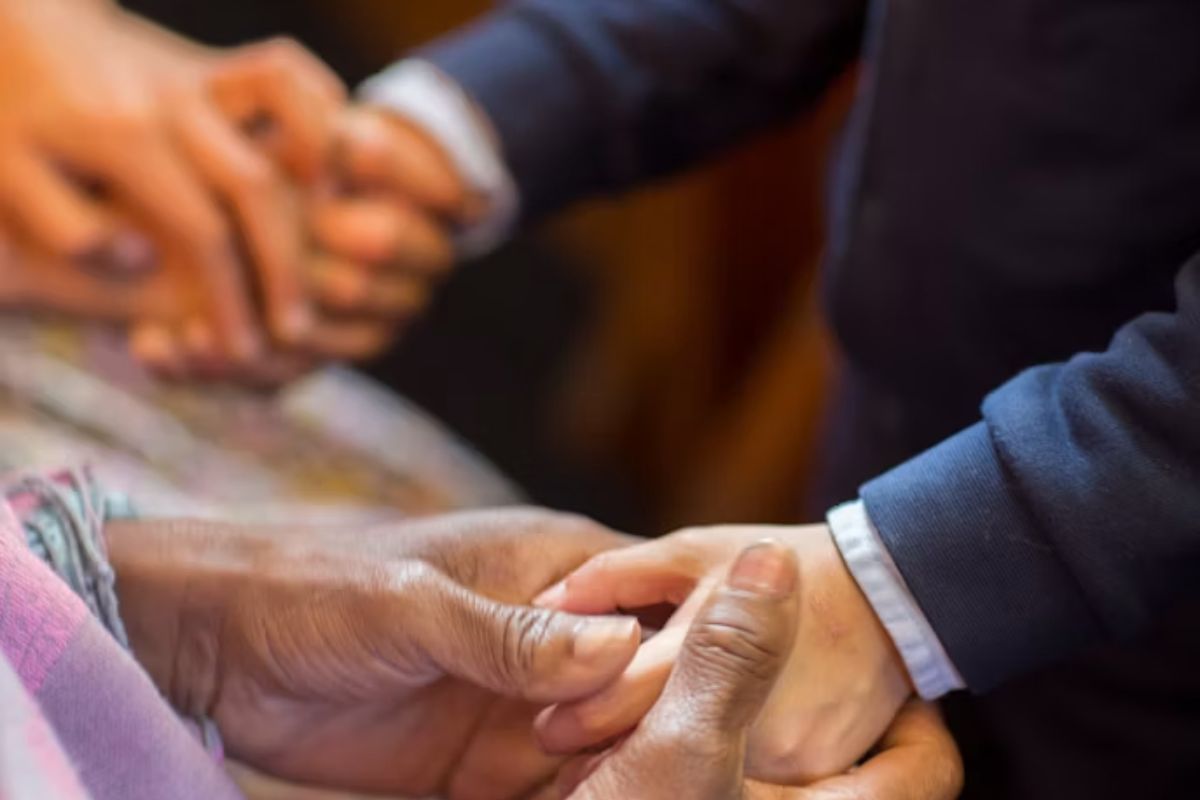
Jewish funerals are a collective act of faith. They bring families, rabbis, and the community together in shared mourning and support. Participation in the burial, attendance at services, and recitation of prayers all serve as expressions of solidarity and compassion.
Eden Memorial works closely with families to ensure these community traditions are carried out smoothly. Whether coordinating with local synagogues, arranging rabbinical officiants, or guiding families through the process of mourning, our goal is to make this time of grief one that is met with dignity and peace.
Preserving Faith, Tradition, and Dignity
At Eden Memorial, our mission is to uphold the timeless customs that define Jewish funeral practice. From Tahara and Shmira to graveside and chapel services, we approach every funeral with the utmost respect for religious law and the personal needs of each family.
We understand that these customs are not only rituals but expressions of faith, history, and identity. They connect generations and bring comfort to the living while honoring the sanctity of those who have passed.
Continuing the Legacy of Care
Jewish funeral traditions remind us that in death, as in life, compassion and respect are central to our faith. As a family-owned Jewish funeral home, Eden Memorial remains deeply committed to serving the Jewish community of New York and New Jersey with integrity, sincerity, and devotion.
Whether a family observes Orthodox, Conservative, or Reform practices, we provide the guidance and understanding needed to honor their loved one in accordance with Jewish law and personal custom. Our role is to ensure that every detail—from ritual preparation to burial—is handled with care and reverence.
For more information about Jewish funerals, Jewish burial services, or guidance on traditional Jewish customs, please contact Eden Memorial. Our experienced directors are here to help you and your family with compassion, respect, and the knowledge that comes from decades of dedicated service to the Jewish community.