What Makes a Jewish Burial Different?
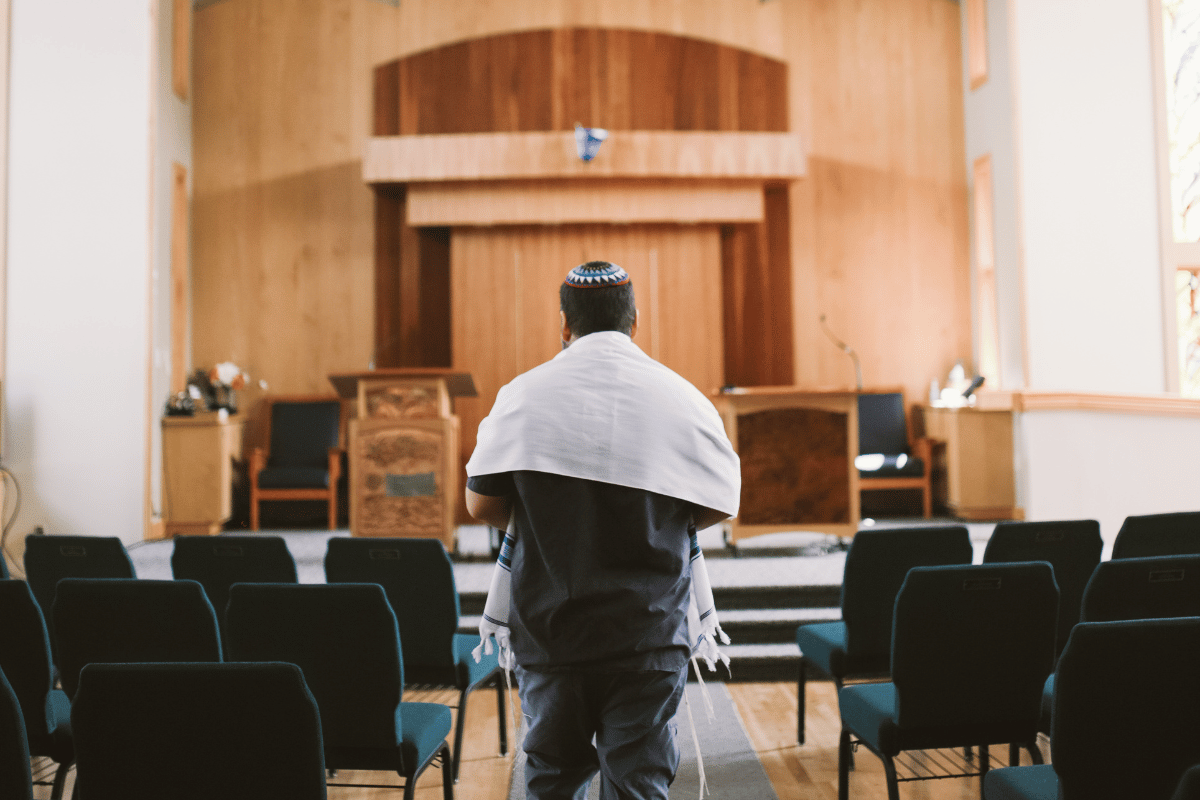
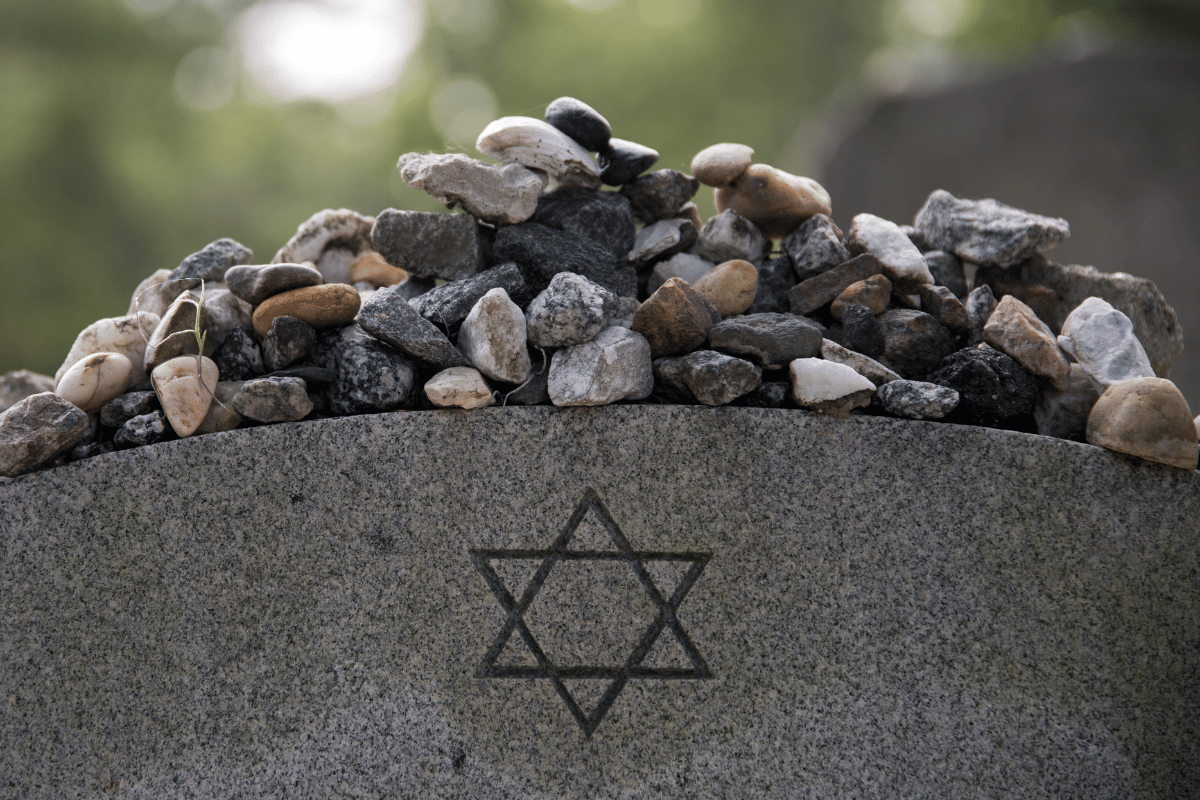
When a loved one passes away, every family wants to honor their life in a way that reflects their beliefs, values, and traditions. For Jewish families, burial is guided by customs that have been observed for generations. These traditions emphasize dignity, simplicity, and respect for the deceased while providing meaningful support for those who are grieving.
If you are unfamiliar with Jewish burial practices, you may notice that they differ from many modern funeral traditions. From the timing of the funeral to the simplicity of the service, every aspect is rooted in centuries of faith and a deep commitment to honoring the individual.
For families served by Eden Memorial Chapels in Fort Lee, New Jersey, these traditions are carefully respected while accommodating different levels of Jewish observance and the unique needs of every family.
Burial Is Traditionally Held Promptly
One of the most significant differences in a Jewish burial is the timing. Jewish tradition encourages burial as soon as reasonably possible, often within 24 to 48 hours after death, unless legal requirements or family circumstances require a delay.
This practice reflects the belief that the deceased should be laid to rest without unnecessary postponement. Because arrangements are often made quickly, funeral professionals experienced in Jewish customs play an important role in helping families navigate the process efficiently and respectfully.
Families who experience an unexpected loss may also benefit from reviewing what to do when a death occurs so they understand the first steps involved.
Respect for the Body Is Central
Jewish burial traditions place tremendous emphasis on treating the deceased with dignity. The body is handled with great care from the moment of death through burial.
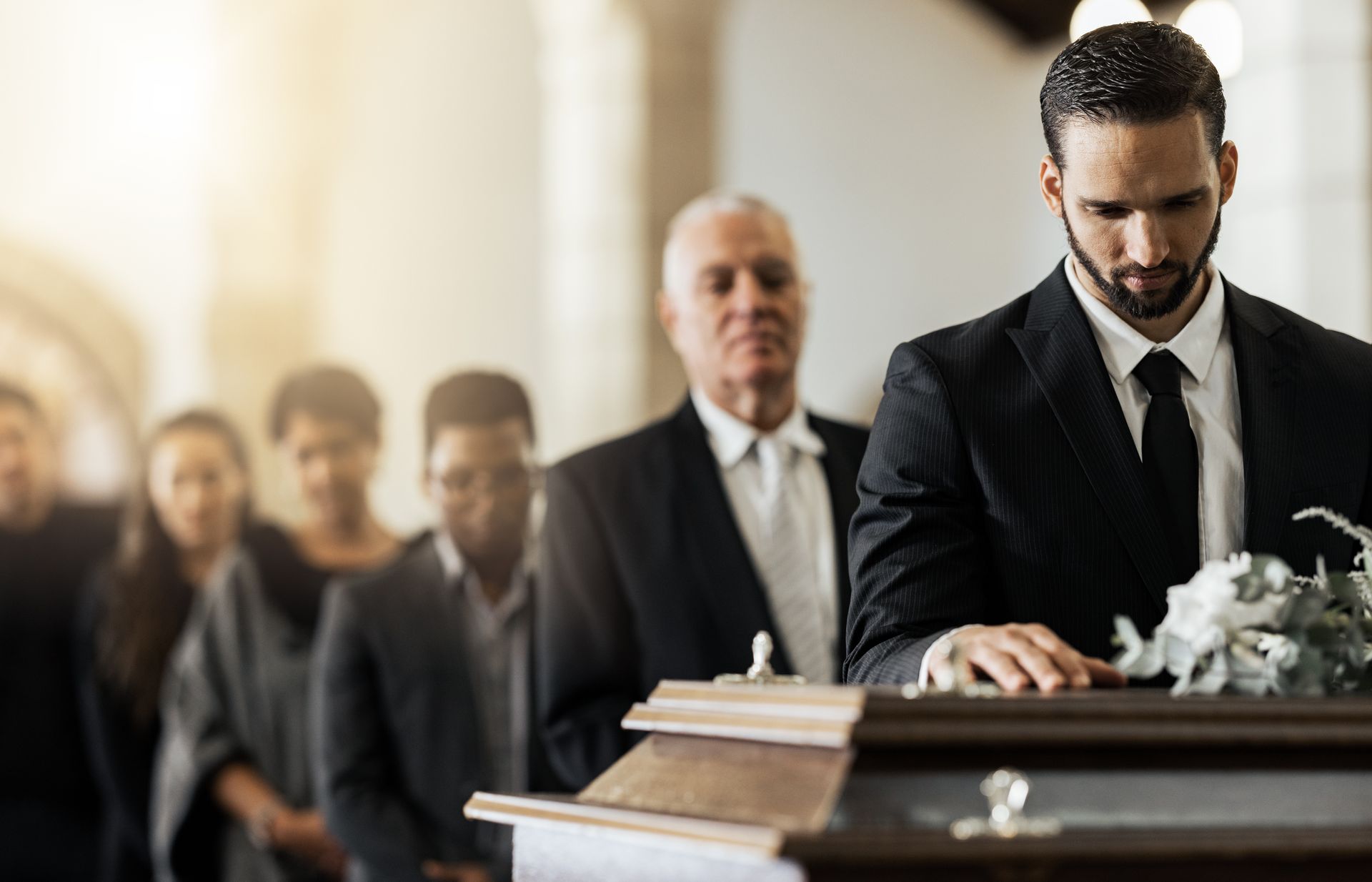
One important custom is the ritual purification known as tahara, performed by a specially trained chevra kadisha, or sacred burial society. Following this ritual, the deceased is traditionally dressed in simple white burial garments called tachrichim before being placed in a plain wooden casket.
The simplicity of these customs reflects the belief that all people are equal in death, regardless of wealth or social status.
Learning more about Jewish funeral customs can help families better understand the meaning behind these longstanding traditions.
Simplicity Over Extravagance
Unlike some funerals that feature elaborate decorations or displays, Jewish burials are intentionally modest. The focus remains on honoring the person's life rather than creating an elaborate presentation.
Traditional Jewish funerals generally avoid excessive ornamentation. Instead, prayers, scripture readings, and heartfelt remembrances become the center of the service.
This simplicity allows family and friends to focus on mourning, reflection, and celebrating the person's legacy without unnecessary distractions.
The Funeral Service Has a Clear Spiritual Purpose
A Jewish funeral service often includes several familiar elements:
- Psalms and traditional prayers
- A eulogy reflecting the person's life and character
- The recitation of El Malei Rachamim
- The Mourner's Kaddish
- A graveside burial service
Each element emphasizes remembrance, faith, and respect rather than celebration or entertainment.
Many families choose traditional funeral services because they provide an opportunity for loved ones to gather, pray together, and honor the deceased according to Jewish tradition.
Participation in the Burial
Another unique aspect of Jewish burial is that family members and attendees are often invited to help place earth onto the casket after it has been lowered into the grave.
This act is considered one of the highest expressions of kindness because it is performed solely for the benefit of the deceased, with no expectation of anything in return.
Although participation is voluntary, many families find this moment deeply meaningful. It provides a tangible opportunity to say goodbye while taking part in an important religious tradition.
Flowers Are Often Replaced with Other Expressions of Sympathy
People attending a Jewish funeral sometimes wonder whether they should send flowers. While practices vary between families, flowers are generally not emphasized in traditional Jewish funerals.
Instead, many people choose to:
- Make a charitable donation in memory of the deceased.
- Send food to the family during shiva.
- Offer practical help and companionship.
- Attend services and spend time with the mourners.
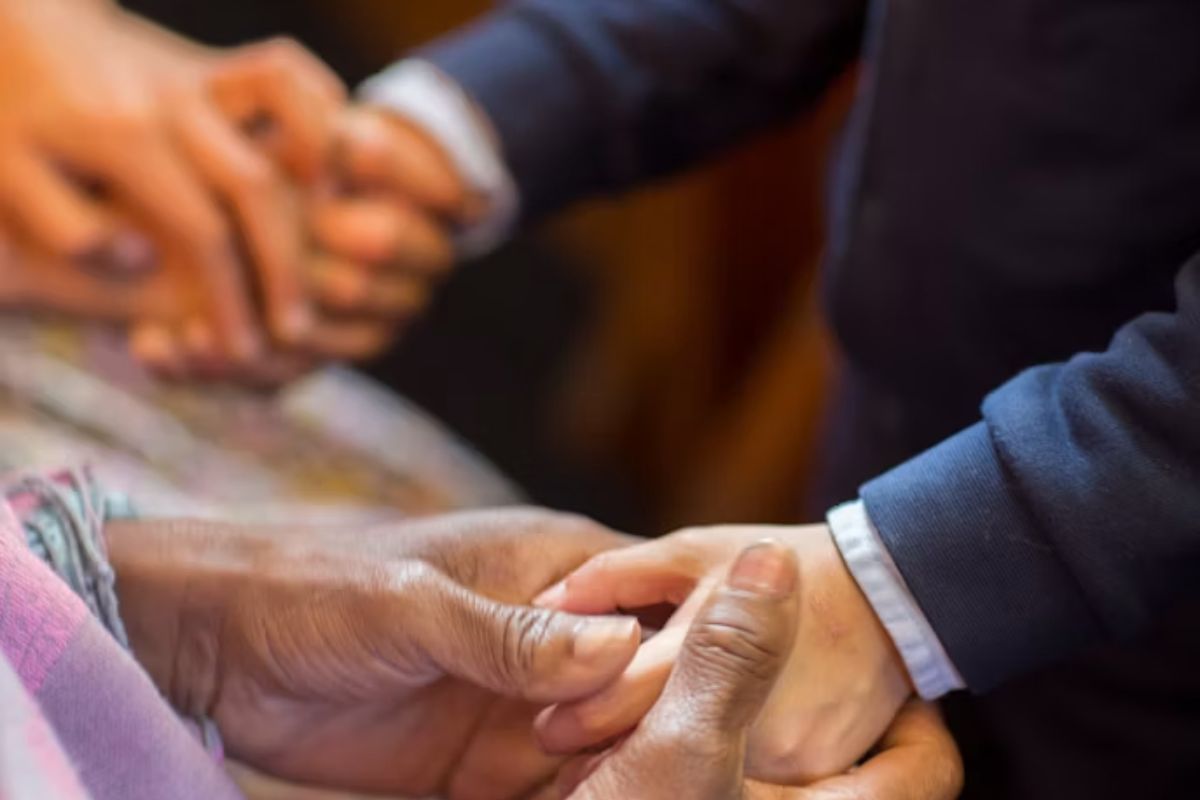
These gestures align with the Jewish emphasis on supporting the living while honoring the memory of the deceased.
Mourning Continues After the Burial
The funeral itself is only the beginning of the Jewish mourning journey. After burial, close family members typically observe shiva, a seven-day mourning period during which friends and relatives visit to offer comfort and support.
Additional periods of remembrance continue throughout the first year, culminating in Yahrzeit, the anniversary of the loved one's passing.
These traditions recognize that grief does not end after the funeral and that healing often requires the ongoing support of family and community.
Understanding the grieving process can help both mourners and their loved ones appreciate the emotional journey that follows a significant loss.
Jewish Burials Can Reflect Different Levels of Observance
While Jewish burial traditions share many common foundations, every family is unique. Orthodox, Conservative, Reform, and interfaith families may each observe customs differently depending on their beliefs, traditions, and personal wishes.
Experienced funeral professionals work closely with families and clergy to ensure that services honor both religious requirements and individual preferences.
This flexibility allows each funeral to remain deeply personal while preserving the values that are central to Jewish tradition.
Guidance Makes a Difficult Time Easier
Planning any funeral can feel overwhelming, especially when decisions must be made quickly. Working with professionals who understand Jewish burial customs can provide reassurance, answer important questions, and help families focus on honoring their loved one rather than navigating unfamiliar details.
Whether arranging a traditional burial or adapting services to meet a family's unique circumstances, thoughtful guidance can make the process feel more manageable during an emotional time.
If you would like to learn more about Jewish burial traditions or speak with experienced professionals who understand these customs, visit Eden Memorial Chapels or connect with the caring team here.