Ensuring Your Final Wishes Reflect Jewish Values
Thinking about the end of life is rarely easy, yet it is one of the most thoughtful gifts a person can give their family.

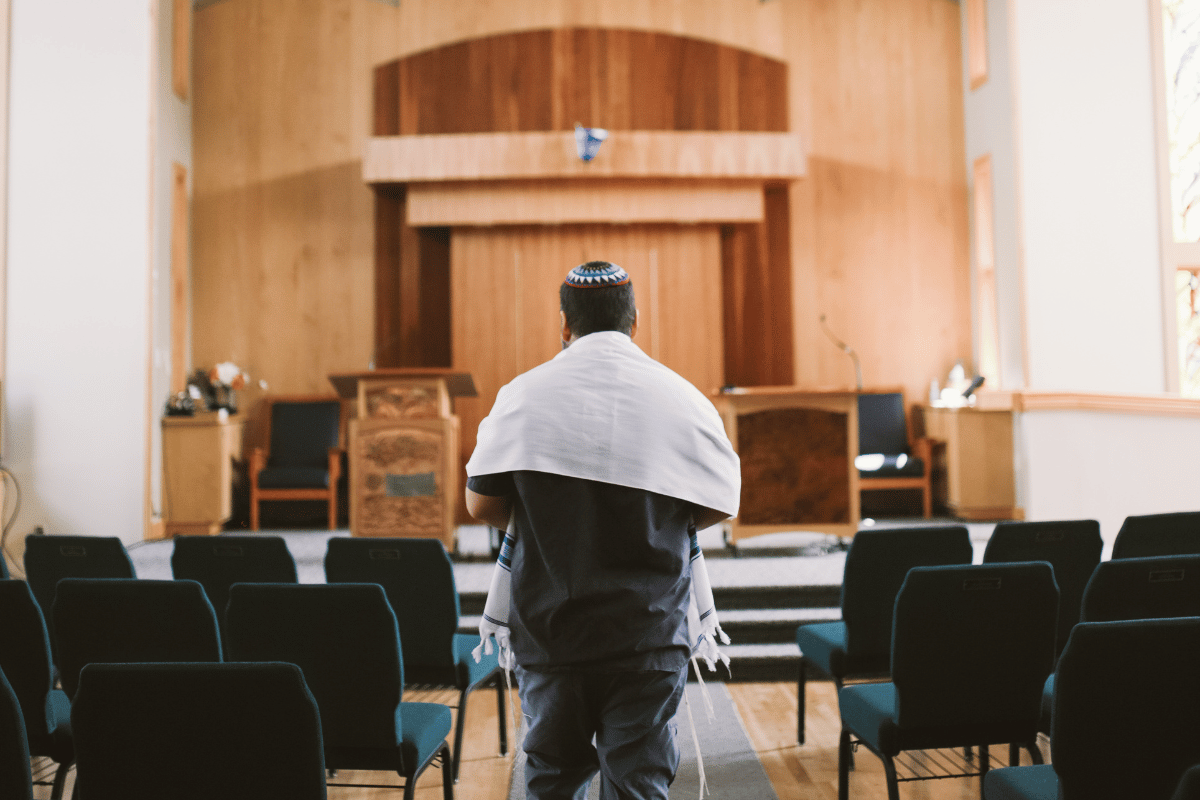
For those rooted in Jewish tradition, planning final arrangements is more than a practical task. It is an opportunity to ensure that the values, beliefs, and customs that shaped a lifetime continue to be honored in death. For families in Fort Lee and across the Tri-State Area, making these decisions in advance brings peace of mind and ensures that every detail reflects the faith and traditions that matter most.
Why Planning Ahead Matters
Jewish tradition places great importance on preparation, reflection, and intentional living. Extending this mindset to end-of-life planning is a natural expression of Jewish values. By making thoughtful decisions in advance, individuals can spare their loved ones from making difficult choices during a time of grief while ensuring their wishes align with their faith.
Planning ahead also opens the door to meaningful conversations within families. Discussing values, beliefs, and preferences can bring generations closer and create a shared understanding of what matters most. These conversations often touch on legacy, faith, and the kind of memory one hopes to leave behind, making them deeply meaningful in their own right.
For many families, exploring options for planning ahead becomes a powerful act of love. It transforms an often-avoided topic into a thoughtful expression of care for those who will one day mourn.
Honoring Tradition Through Burial Choices
One of the most significant aspects of Jewish end-of-life planning involves burial preferences. Traditional Jewish law has long emphasized in-ground burial as the most honored way to return the body to the earth. The teaching from Genesis, "For dust you are, and to dust you shall return," continues to guide many Jewish families today.
Selecting a Cemetery
Many Jewish families choose to be buried in a Jewish cemetery or in a designated Jewish section of a larger cemetery. This decision reflects a desire to rest among others who shared the same faith and traditions. Some families have long-standing plots within fraternal or religious societies, while others may need guidance in selecting an appropriate burial location.
Choosing Burial Items
Traditional Jewish burial involves simplicity. The body is dressed in plain white shrouds called tachrichim, and the casket is typically a simple wooden box without metal or ornate decoration. This simplicity reflects the belief that all people are equal in death, regardless of wealth or status. Planning these details in advance ensures that the burial honors both tradition and personal preference.
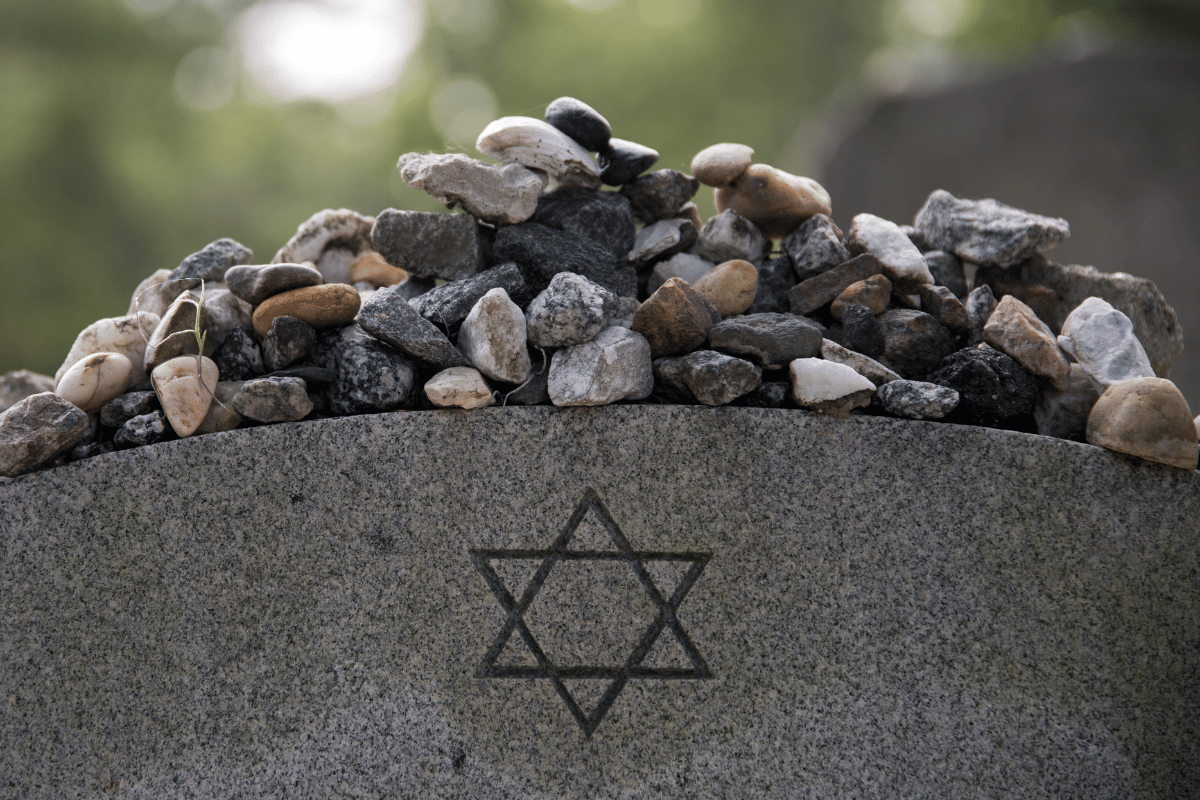
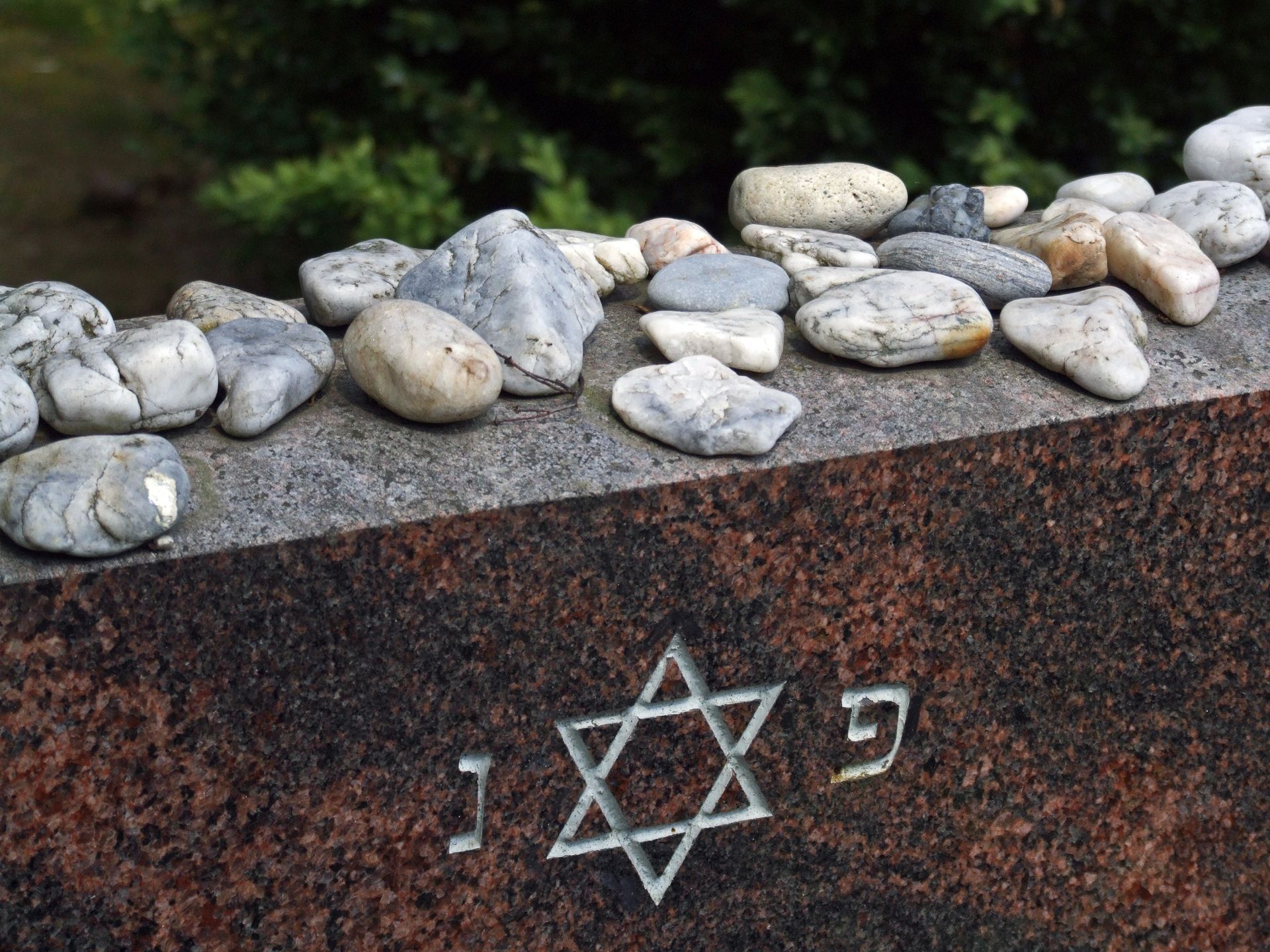
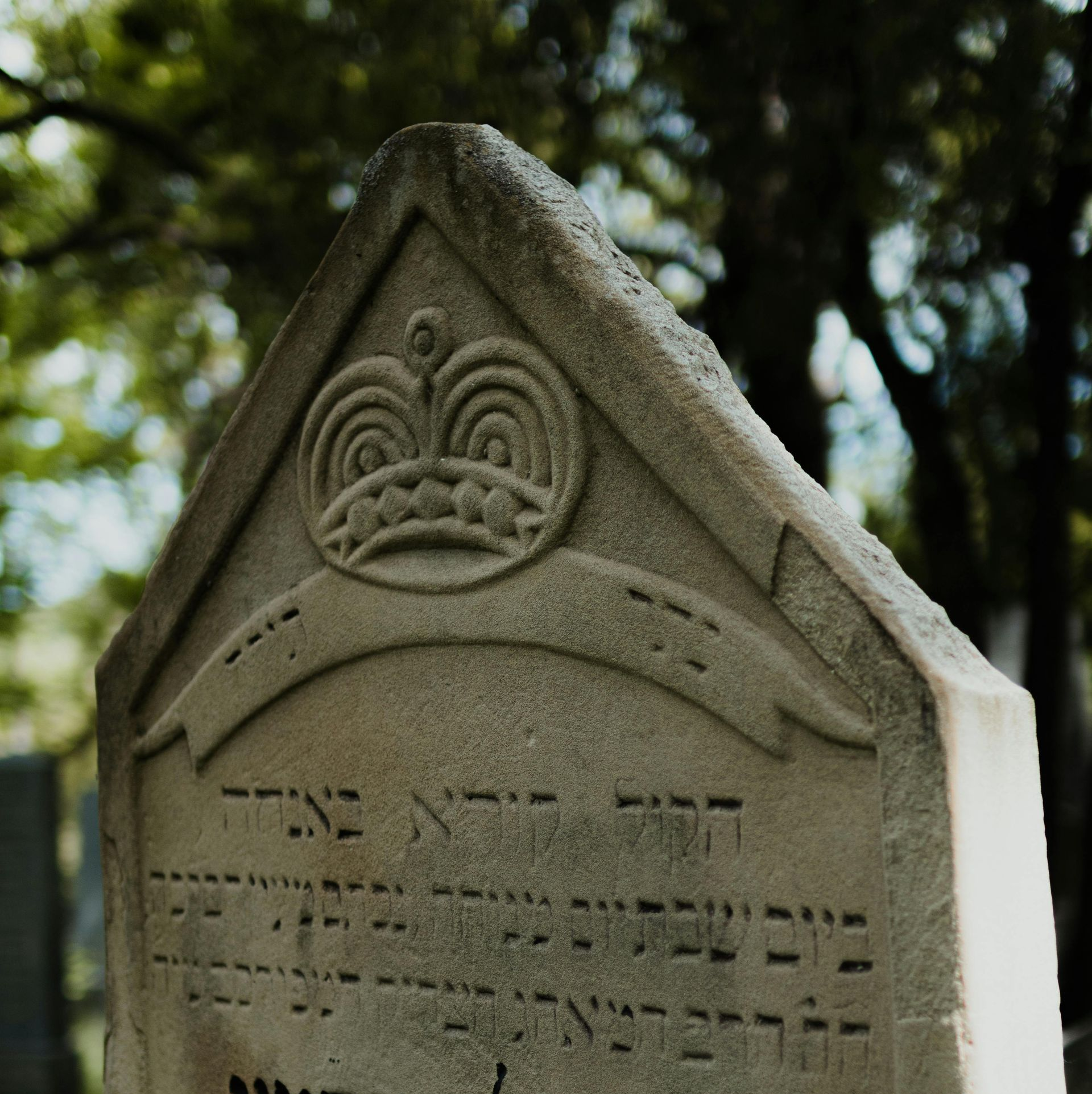
For those who wish to leave a lasting tribute at the gravesite, considering options for monuments and inscriptions can be a meaningful part of the planning process. A thoughtfully chosen monument becomes a place where future generations can pause, remember, and connect with the legacy of those who came before.
Reflecting Your Level of Observance
Judaism encompasses a wide range of practices and traditions, from Orthodox to Reform and everything in between. Planning ahead allows individuals to ensure that their final arrangements reflect their personal level of observance and the values they hold dear.
Orthodox Considerations
For those who follow Orthodox tradition, planning may include arrangements for Tahara, the ritual purification of the body, as well as the presence of a shomer to accompany the deceased until burial. Burial typically takes place within twenty-four hours when possible, and the service follows specific halachic guidelines.
Conservative and Reform Approaches
Conservative and Reform families may incorporate many traditional elements while allowing for personal expression. Some choose to include additional readings, music, or eulogies that reflect the unique life of the deceased. Planning ahead allows individuals to communicate which traditions matter most to them and which they wish to adapt.
Interfaith Families
Many families today include members of different faith backgrounds. Thoughtful planning can ensure that Jewish customs are honored while also respecting the diverse traditions present within the family. This balance often brings comfort to everyone involved and creates a service that feels authentic and inclusive.
Considering Veterans and Special Circumstances
For Jewish veterans, planning may involve coordinating military honors alongside traditional Jewish customs. Recognition of military service, including the presentation of the flag and the playing of Taps, can be integrated into a service that also reflects Jewish values and rituals.
Families exploring veteran services can ensure that their loved one is honored for both their service to the country and their commitment to faith. Combining these two important aspects of identity creates a deeply meaningful tribute that acknowledges the fullness of a life well lived.
Caring for Sacred Items
Jewish tradition includes the careful treatment of sacred objects, including prayer books, religious texts, and items bearing the name of God. When planning final arrangements, some individuals choose to address how these items should be handled after their passing.
The practice of placing worn or damaged sacred items in a Genizah for proper care is one example of how Jewish values extend even to the treatment of objects. Including these considerations in advance planning ensures that nothing sacred is overlooked during an emotional time.
Documenting Your Wishes
Once decisions have been made, documenting them clearly is essential. A written record of preferences, including burial location, type of service, level of observance, and any specific requests, provides invaluable guidance for family members. This documentation should be shared with loved ones and stored in a place where it can be easily accessed when needed.
Some families also choose to write an ethical will, a document that passes on values, lessons, and hopes for future generations. This Jewish tradition complements practical planning by ensuring that the wisdom of a lifetime is shared with those who follow.
Bringing Peace to Your Loved Ones
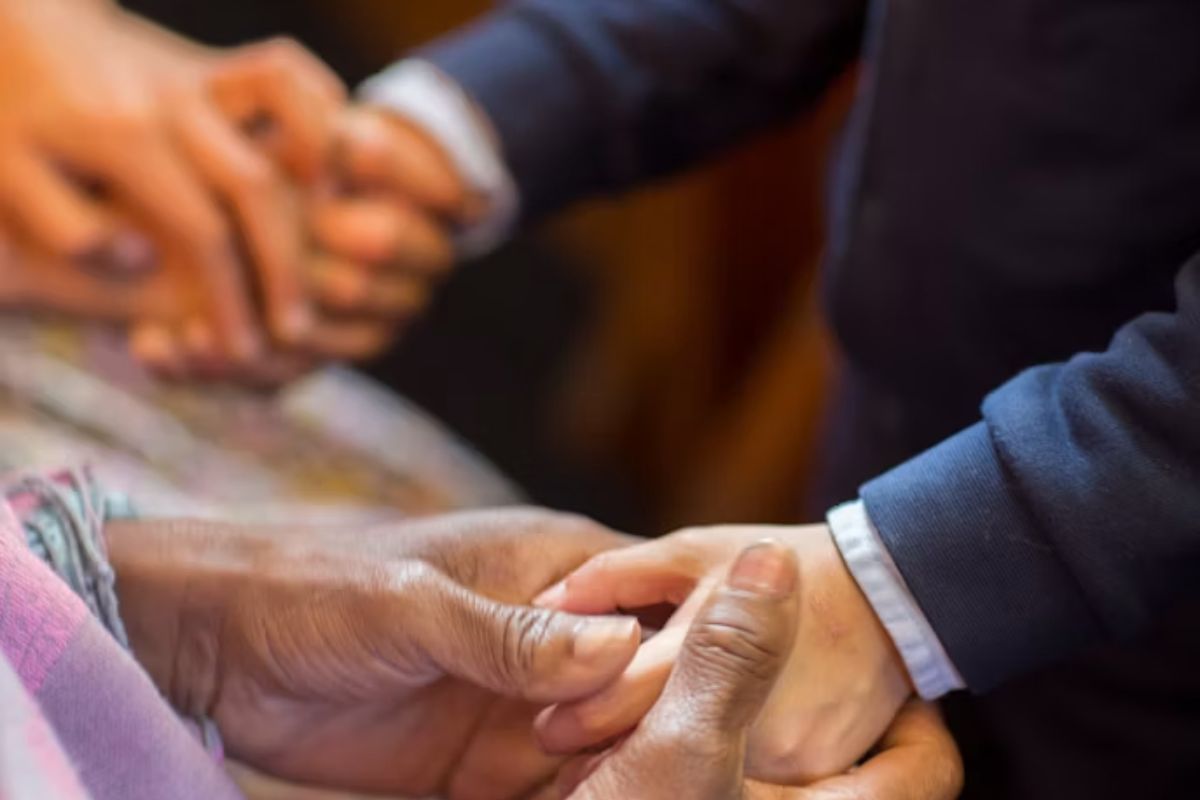
One of the greatest benefits of planning ahead is the comfort it brings to family members. When a death occurs, mourners are often overwhelmed by emotion and decisions. Knowing that their loved one's wishes have already been thoughtfully recorded allows them to focus on grieving, supporting one another, and honoring the memory of the person they have lost.
Planning ahead also relieves family members of the financial pressure that can accompany funeral arrangements. By addressing costs in advance, individuals can ensure that their final wishes do not create unexpected burdens for those they love.
A Thoughtful Legacy of Faith
Ensuring that your final wishes reflect Jewish values is one of the most meaningful expressions of faith and love. It honors the traditions that have guided generations while creating peace of mind for both you and your family. From burial preferences to the smallest details of observance, every choice made in advance becomes a gift to those who will one day remember you.
For over thirty years, Eden Memorial Chapels has supported Jewish and interfaith families in planning meaningful final arrangements with sensitivity and care. Whether you are beginning to think about the future or ready to put your wishes in writing, the compassionate team at Eden Memorial Chapels is here to guide you.
Located just minutes from the George Washington Bridge in Fort Lee, we proudly serve families throughout the Tri-State Area. Please reach out to our caring staff whenever you are ready to begin the conversation. We are honored to walk beside you with the dignity and respect your family deserves.