Supporting Loved Ones Through Jewish Grief Traditions
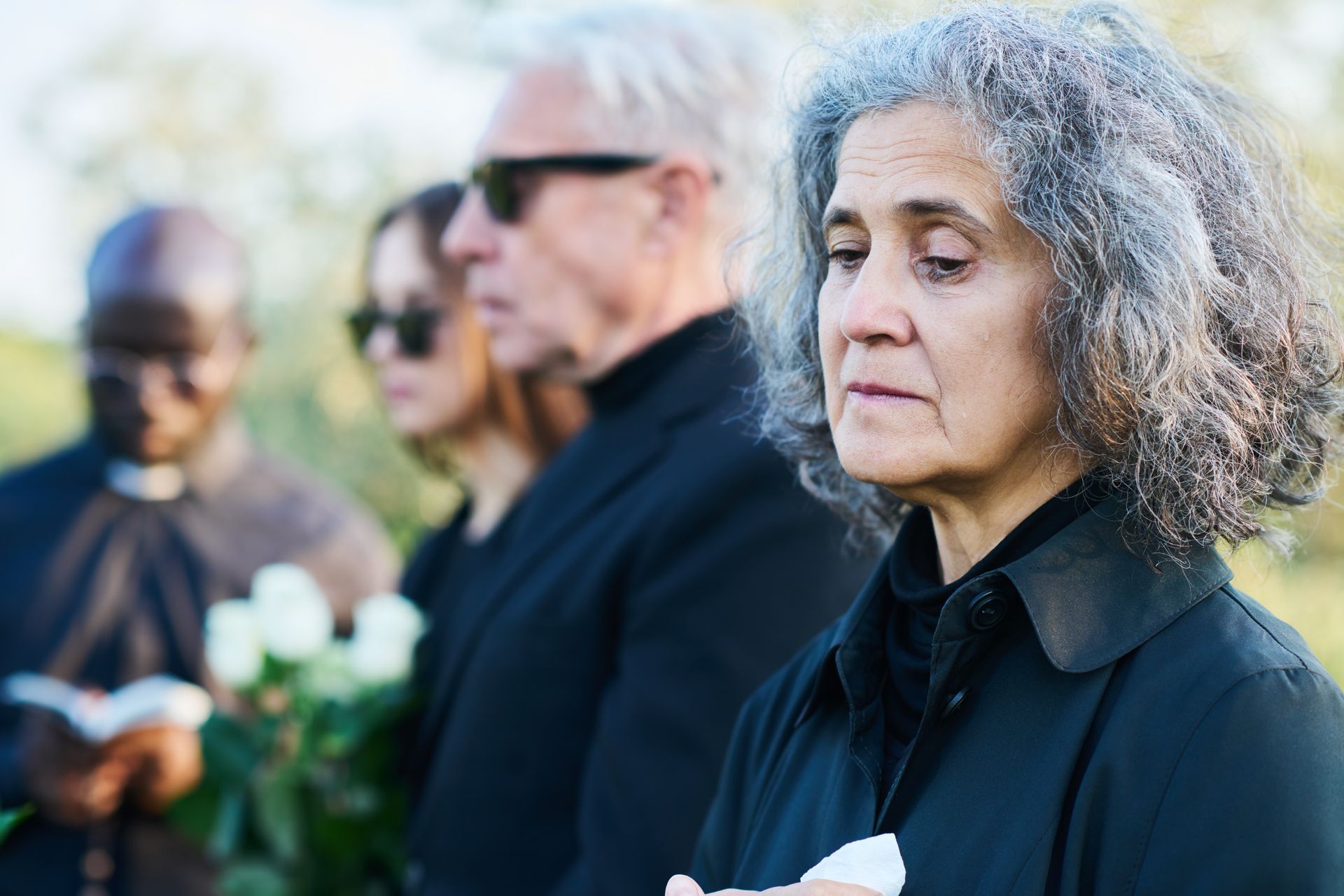
Grief is deeply personal, yet no one should have to carry it alone. In Jewish tradition, mourning is not viewed as an individual burden but as something shared by family, friends, and the wider community. Long-established customs provide structure during an overwhelming time, helping those who are grieving feel supported, remembered, and connected.
For families served by Eden Memorial Chapels in Fort Lee, New Jersey, these traditions continue to offer comfort while honoring Jewish beliefs and customs across all levels of observance. Whether you are mourning the loss of a loved one or supporting someone through their grief, understanding these practices can help you provide meaningful care during one of life's most difficult moments.
The Importance of Community in Jewish Mourning
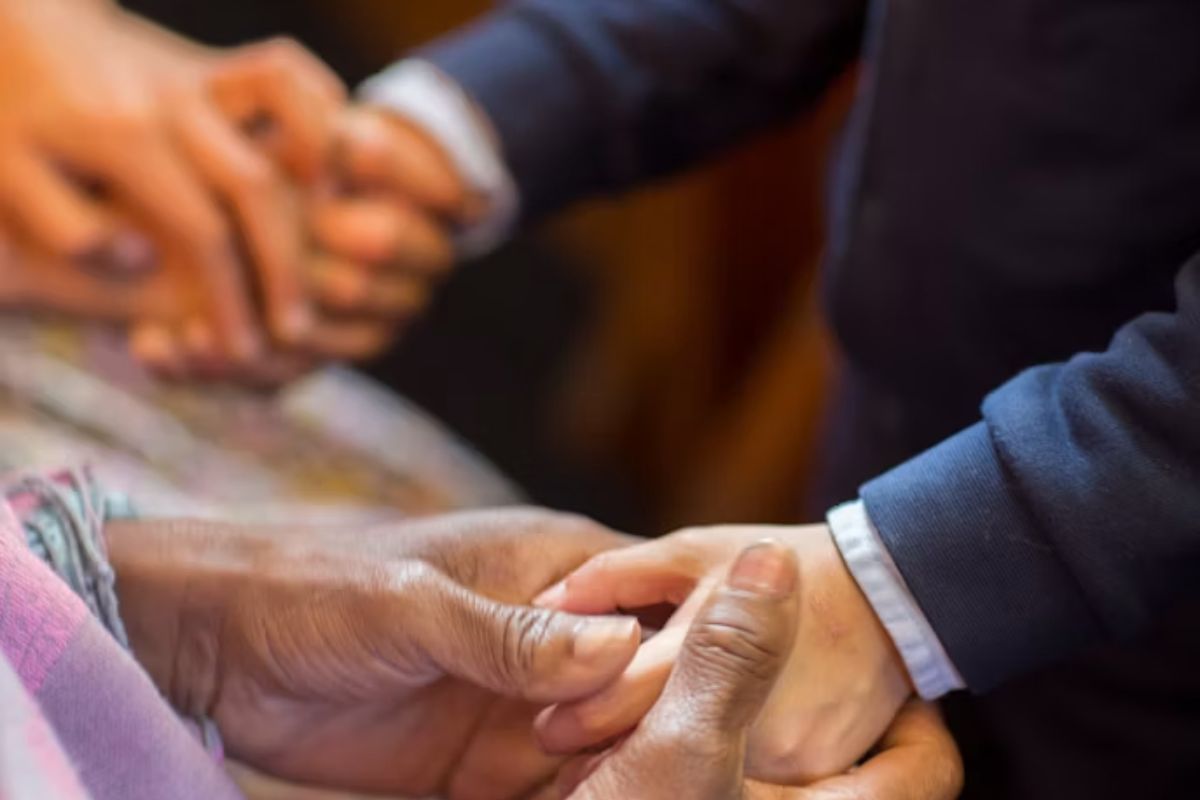
One of the defining characteristics of Jewish grief traditions is the emphasis on community. Rather than expecting mourners to navigate loss on their own, family members, friends, neighbors, and members of the synagogue often come together to provide practical and emotional support.
This support can take many forms. Some may help with funeral arrangements, prepare meals, assist with household responsibilities, or simply spend quiet time with the grieving family. These acts remind mourners that they are not alone and that their community is present to help shoulder the weight of loss.
Learning more about Jewish funeral customs can provide valuable insight into how these traditions work together to support families from the time of death through the mourning process.
Understanding Shiva
Perhaps the best-known Jewish mourning tradition is shiva, the seven days immediately following burial. During this time, close family members remain at home while relatives, friends, and members of the community visit to offer condolences and companionship.
Unlike a social gathering, shiva is intended to create space for remembrance and healing. Visitors often allow the mourners to guide the conversation, offering support without placing pressure on them to entertain guests or hide their emotions.
Many people bring food to ease the family's daily responsibilities, allowing them to focus on grieving rather than practical concerns.
If you are attending a shiva for the first time, becoming familiar with shiva and mourning customs can help you feel more comfortable and ensure your visit is respectful and supportive.
Listening Can Mean More Than Speaking
Many people worry about finding the "right" words after someone has experienced a loss. In reality, Jewish grief traditions place greater value on presence than perfect expressions.
Sometimes, the most meaningful support comes from simply sitting quietly with someone who is grieving. Listening without trying to fix their pain allows them to express emotions naturally and at their own pace.
Rather than searching for comforting phrases, consider offering sincere acknowledgments such as:
- "I'm thinking of you."
- "I'm here if you need anything."
- "Your loved one will be remembered."
These simple statements often provide more comfort than lengthy explanations or attempts to lessen the pain.
Respecting the Mourning Process
Jewish mourning follows several stages, each serving a different purpose in helping families gradually adjust to life after loss. While the customs vary depending on tradition and level of observance, they generally encourage mourners to move through grief with patience rather than rushing toward recovery.
Some people may feel ready to talk openly about memories, while others may need quiet reflection. Supporting someone means respecting their individual experience rather than expecting grief to follow a particular timeline.
Resources about the grieving process can also guide those seeking a better understanding of how grief changes over time.
Practical Ways to Support a Grieving Family
Supporting someone through Jewish mourning often involves practical acts of kindness in addition to emotional support.
You might consider:
- Delivering meals or arranging food for the household.
- Offering transportation for family members if needed.
- Helping with errands or childcare.
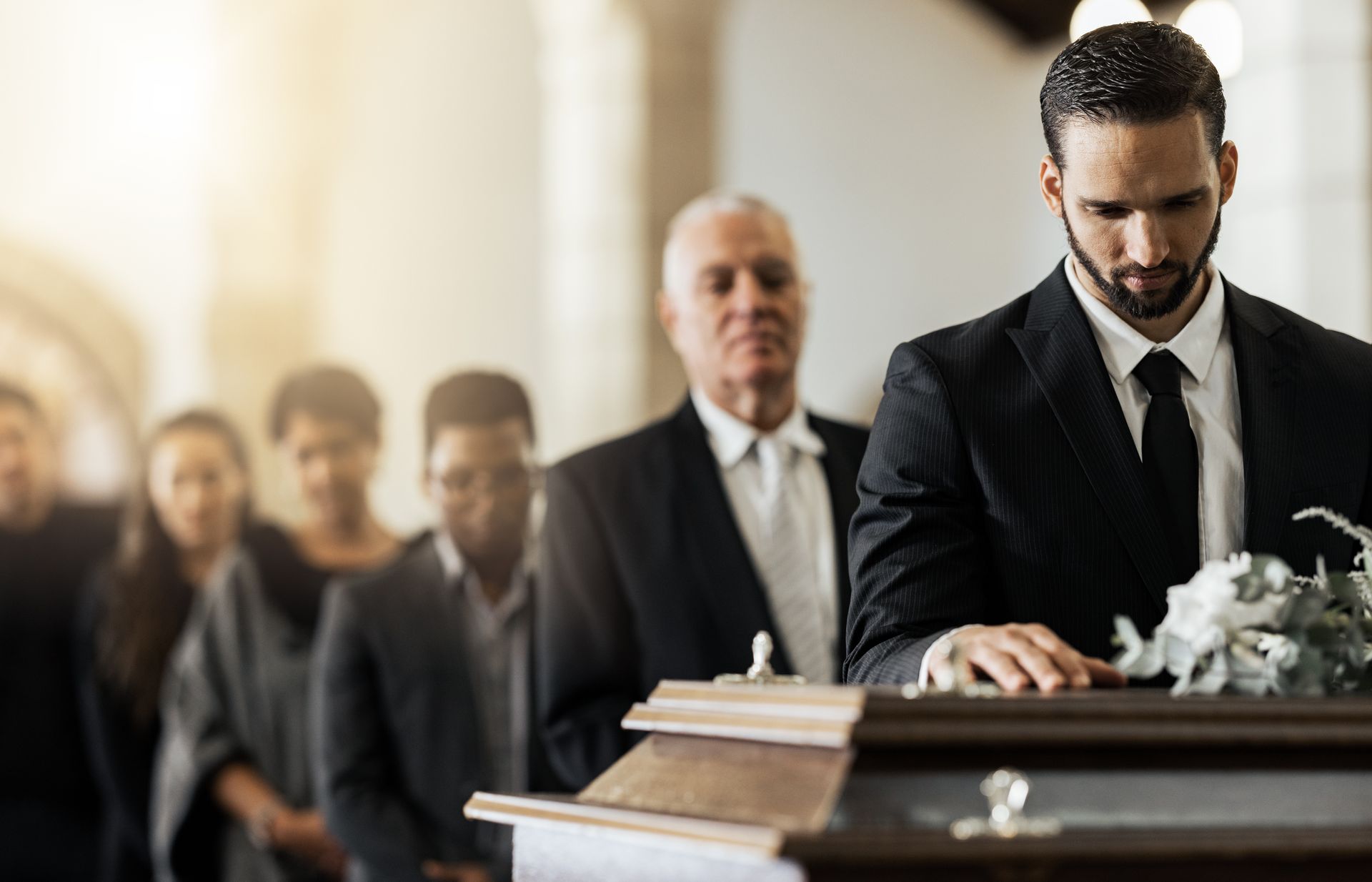
- Attending the funeral or memorial service.
- Checking in after the initial weeks, when many visitors have returned to their normal routines.
Grief does not end after the funeral or shiva. Continued support during the months that follow can be especially meaningful.
Honoring Religious Traditions
When supporting a Jewish family, respecting religious customs demonstrates thoughtfulness and care. Some traditions may be unfamiliar, but following the family's lead is usually the best approach.
For example, you may notice customs such as:
- Modest attire during services.
- Recitation of traditional prayers.
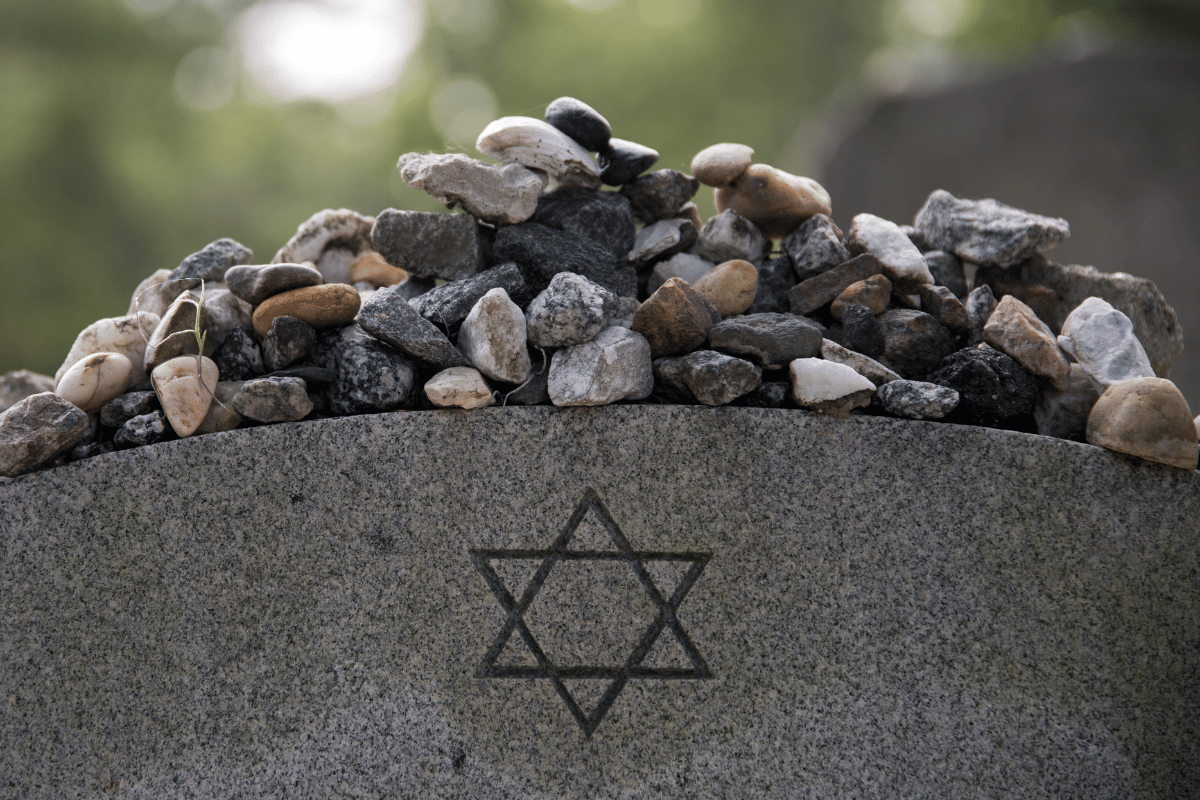
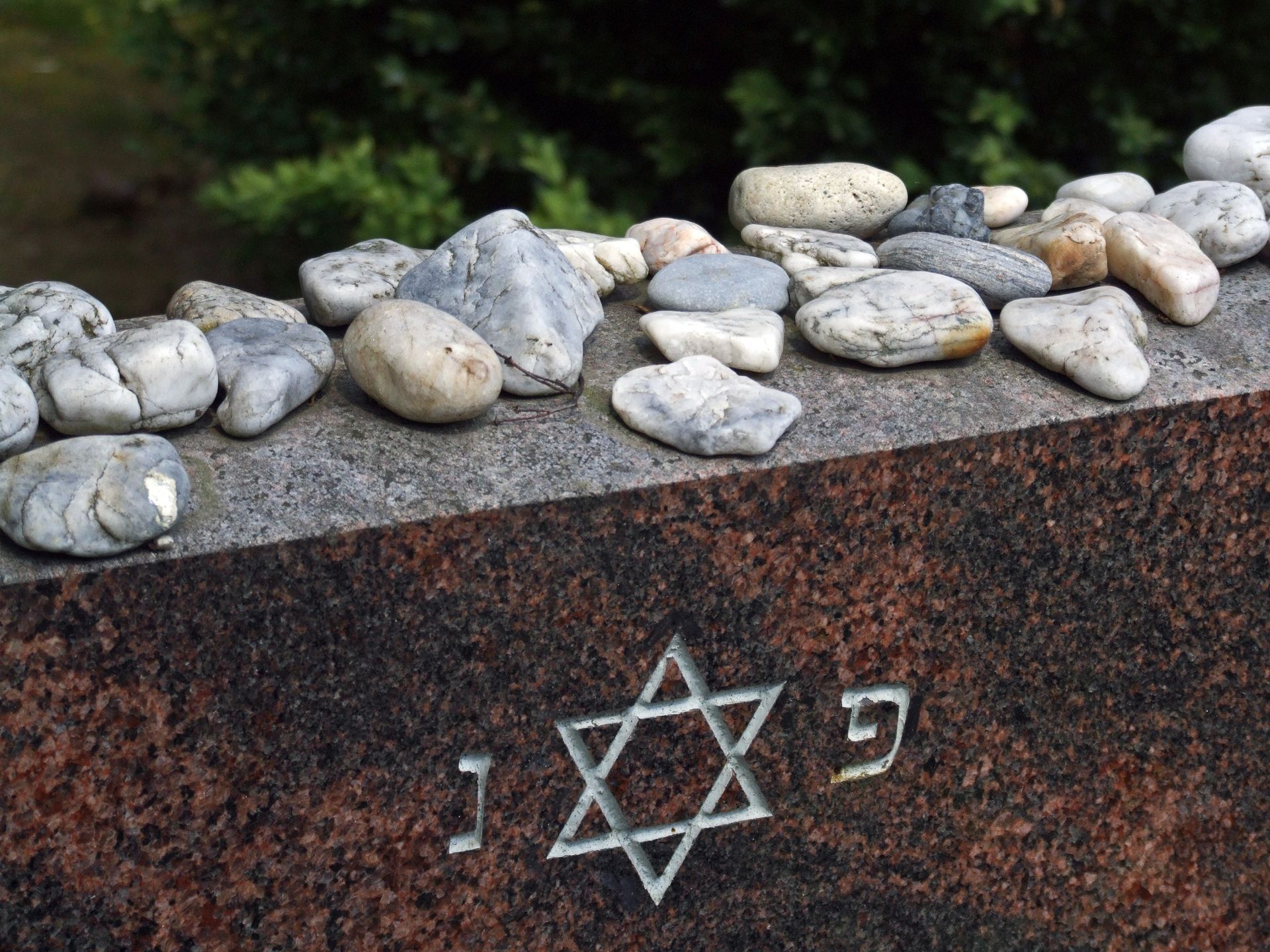
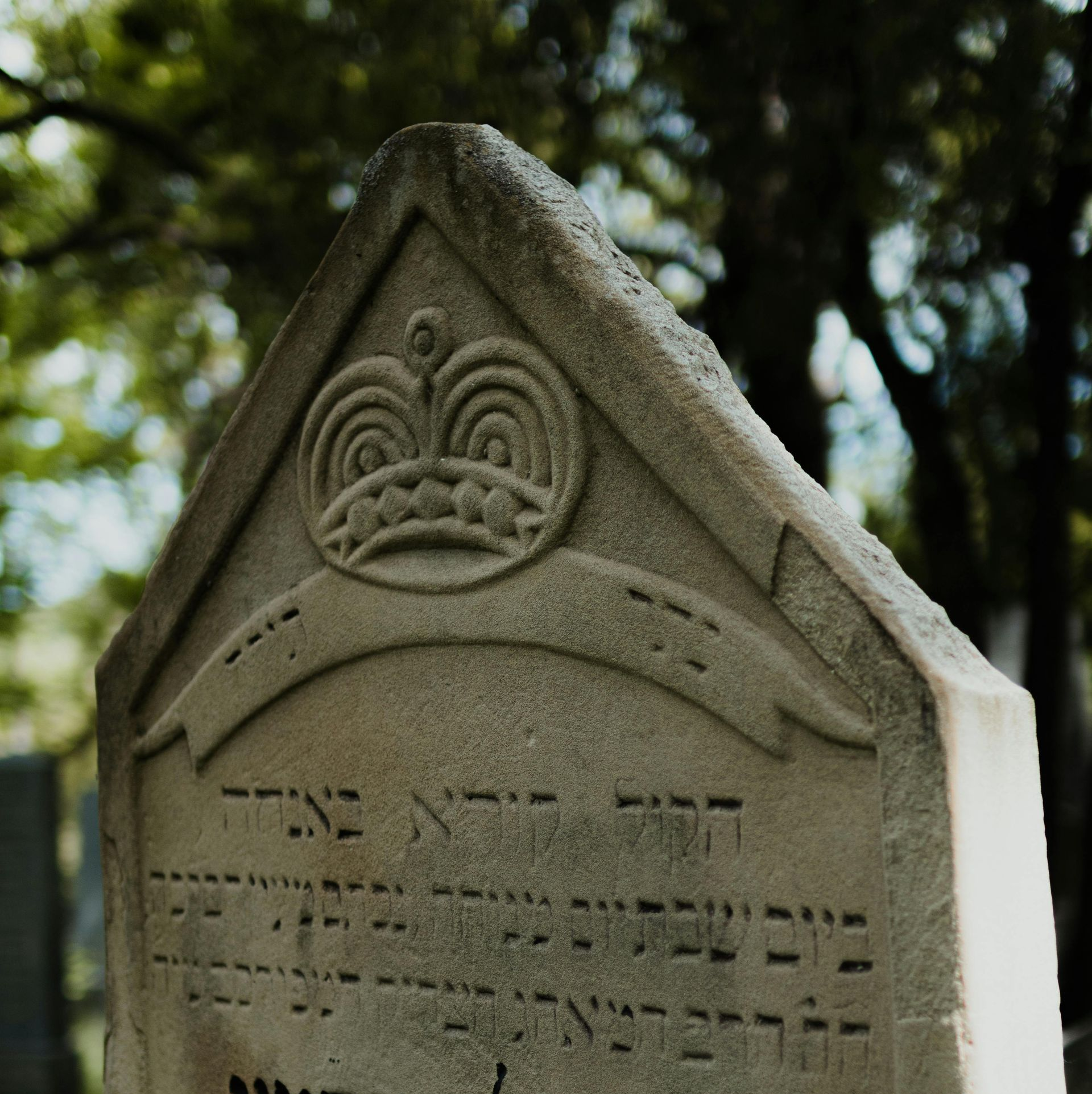
- Placement of stones rather than flowers at gravesites.
- Observance of Yahrzeit, the annual remembrance of a loved one's passing.
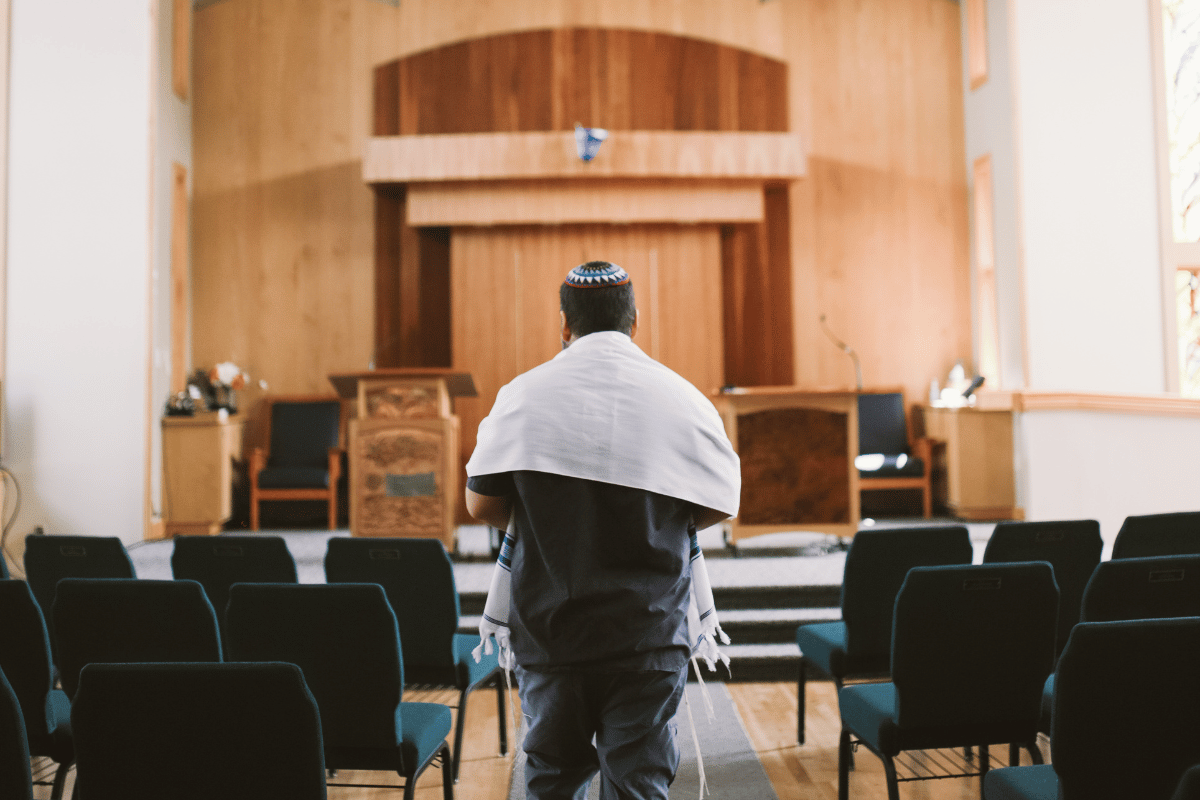
Even if you are not Jewish yourself, participating respectfully or quietly observing these traditions shows consideration for the family's beliefs.
Understanding funeral rituals beforehand can help visitors feel more confident when attending services or offering support.
Supporting Interfaith Families
Today's families often include loved ones from different religious backgrounds. While Jewish mourning traditions remain central for many families, there may also be varying expectations among relatives who practice other faiths or no faith at all.
The most important approach is one of respect and open communication. Asking thoughtful questions, following the family's wishes, and honoring the traditions that are meaningful to them helps create an environment where everyone feels included while maintaining the integrity of Jewish customs.
Experienced funeral professionals can help families navigate these conversations with compassion and understanding.
Remembering That Grief Continues
Although much attention is given to the days immediately following a loss, grief often continues long after formal services have ended.
Anniversaries, birthdays, holidays, and family milestones can bring renewed feelings of sorrow. Reaching out months later with a phone call, a visit, or a simple message lets grieving families know they have not been forgotten.
Small gestures of remembrance often leave lasting impressions because they acknowledge that love and loss continue beyond the funeral.
Compassion Through Every Step
Jewish grief traditions provide more than religious observance. They offer a compassionate framework that reminds mourners they are surrounded by people who care. Through prayer, remembrance, shared responsibility, and community support, families are given space to grieve while remaining connected to those around them.
If your family has questions about Jewish funeral traditions or would like guidance during a difficult time, you can learn more by visiting Eden Memorial Chapels or speaking with a caring member of the team.
Having experienced professionals who understand Jewish customs can provide reassurance, thoughtful guidance, and support when it matters most.