Planning a Jewish Funeral in an Interfaith Family
Families today often reflect a rich blend of backgrounds, beliefs, and traditions. It is increasingly common for loved ones to come from different faiths or cultural experiences, which can make funeral planning more complex. When a Jewish family experiences a loss, there may be questions about how to honor Jewish customs while ensuring that everyone feels respected and included.
The good news is that thoughtful planning and open communication can help create a meaningful service that reflects the wishes of the deceased and brings comfort to the entire family. For families served by Eden Memorial Chapels in Fort Lee, New Jersey, experienced guidance can make these conversations easier while preserving the traditions that matter most.
Start with the Wishes of Your Loved One
The most important place to begin is with the wishes of the person who has passed away. Some individuals leave written funeral instructions or discuss their preferences with family members before their death. Others may have expressed their wishes to a rabbi or close relatives.
If these wishes are known, they should serve as the foundation for planning. Honoring a loved one's preferences is one of the greatest ways to show respect, even when family members have different religious backgrounds or personal expectations.
When no formal plans exist, families can work together with experienced funeral professionals to create a service that reflects the individual's values and Jewish heritage.
Understanding Which Traditions Are Most Important
Jewish funeral traditions have remained meaningful for generations because they emphasize dignity, respect, and care for both the deceased and those who are grieving. Understanding these customs can help non-Jewish family members appreciate their significance.
Some traditions commonly included in a Jewish funeral include:
- Burial as soon as reasonably possible
- Traditional prayers and scripture readings
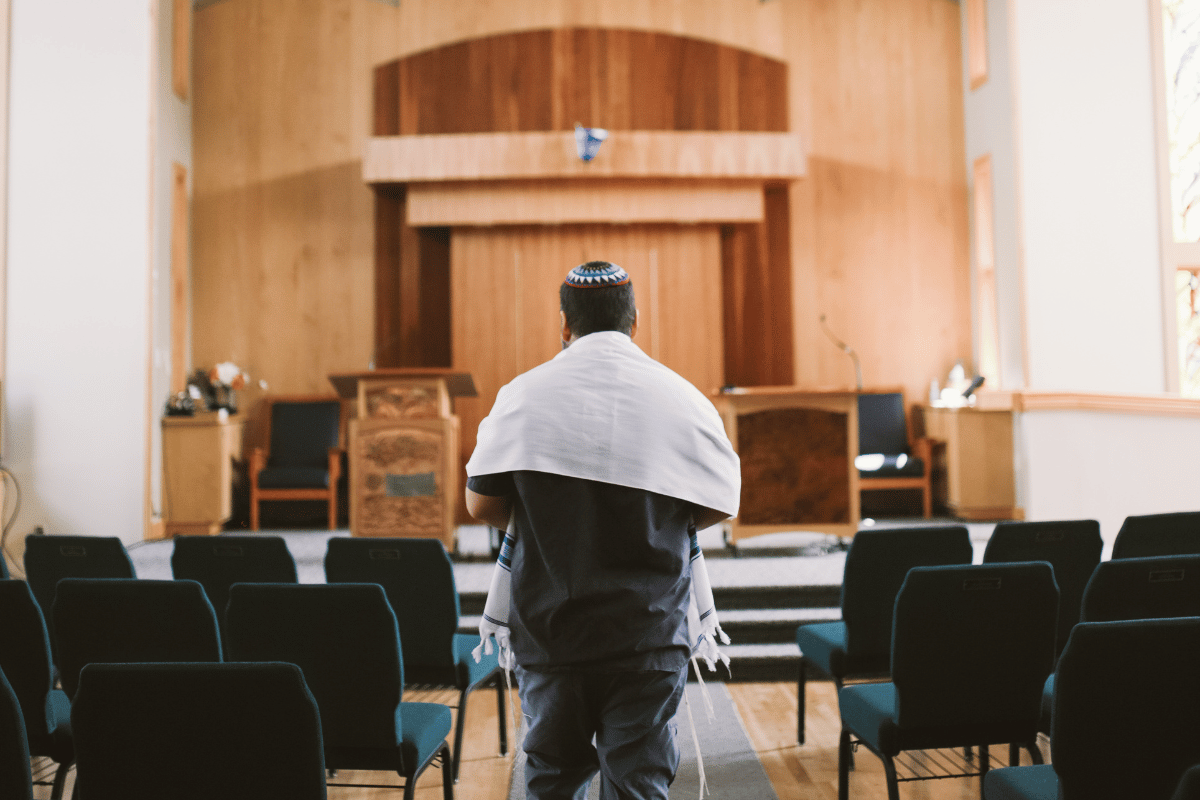
- A rabbi leading the service
- Simple funeral arrangements that focus on honoring the deceased
- Burial rather than elaborate ceremonies
Learning more about Jewish funeral customs before making decisions can help everyone approach the planning process with greater understanding.
Encourage Open Family Conversations
Interfaith families sometimes have different expectations about what a funeral should include. One family member may hope for traditional Jewish customs, while another may be more familiar with services from another faith.
Rather than viewing these differences as obstacles, it is helpful to approach them as conversations centered on honoring the person who has died.
Questions that may help guide the discussion include:
- What traditions were most meaningful to our loved one?
- Are there cultural customs that family members hope to acknowledge?
- How can we create a respectful experience for everyone attending?
- Which elements are essential to preserving Jewish tradition?
Listening carefully and allowing everyone to be heard often reduces tension and helps families reach thoughtful decisions together.
Include Non-Jewish Family Members Respectfully
An inclusive Jewish funeral does not require abandoning Jewish customs. Instead, it allows family members from different backgrounds to participate in ways that feel appropriate and respectful.
For example, non-Jewish relatives may:
- Read a personal tribute or share memories if appropriate
- Participate in welcoming guests
- Join the procession to the gravesite
- Offer support during shiva
- Take part in family gatherings following the service
These opportunities allow everyone to contribute while maintaining the religious integrity of the funeral.
Work Closely with the Rabbi
The officiating rabbi is often one of the most valuable resources during funeral planning. They can explain the meaning behind various traditions, answer questions from family members, and offer suggestions that balance religious customs with the family's unique circumstances.
Many rabbis have experience working with interfaith families and understand the importance of creating a welcoming environment while preserving Jewish practices.
Having these conversations early in the planning process helps avoid misunderstandings later.
Respect Differences Without Creating Conflict
Grief can intensify emotions, especially when family members have differing expectations about funeral arrangements. It is natural for loved ones to want to honor the deceased in ways that feel meaningful to them.
During these conversations, it can be helpful to remember that everyone is grieving, even if they express that grief differently.
Focusing on shared goals rather than differing opinions often leads to more thoughtful decisions. Instead of asking whose tradition should take priority, families may find it more helpful to ask what would best honor the life, beliefs, and values of the person being remembered.
Support Continues After the Funeral
For interfaith families, learning about Jewish mourning traditions can also help everyone continue supporting one another after the funeral has ended.
Many families observe shiva, during which relatives and friends gather to offer condolences and practical support. Understanding these customs helps non-Jewish family members participate respectfully and confidently.
Those unfamiliar with these traditions may find shiva and mourning customs helpful in understanding what to expect during this important period of remembrance.
Grief also continues well beyond the first week. Annual observances, family gatherings, and other traditions may remain important to Jewish family members, and continued understanding helps strengthen relationships over time.
Planning Ahead Can Ease Future Decisions
One of the best ways to reduce uncertainty for interfaith families is to discuss funeral wishes before they are ever needed. While these conversations are never easy, they provide valuable clarity and help loved ones make confident decisions during an emotional time.
Documenting personal preferences, discussing religious traditions, and communicating openly with family members can prevent unnecessary stress and disagreements later.
Families interested in preparing ahead may find planning ahead to be a helpful resource for organizing these important decisions with care.
Compassion and Understanding Bring Families Together
Every family has its own story, and interfaith families are no exception. While traditions may differ, the desire to honor a loved one with dignity, love, and respect is something everyone shares.
With thoughtful guidance, open communication, and a commitment to honoring Jewish customs, families can create a funeral service that reflects their loved one's life while making everyone feel welcomed and supported.
If your family would like guidance in planning a Jewish funeral or navigating interfaith considerations, visit Eden Memorial Chapels or speak with a member of the team.
Experienced professionals can help you thoughtfully balance tradition, family values, and personal wishes while providing compassionate support every step of the way.