What to Do When a Jewish Loved One Dies
When a Jewish loved one dies, call a funeral home right away. A director will coordinate transportation and begin tahara and shomer/shmirah, while Jewish tradition calls for burial as soon as possible, often within a day.
If you are reading this in the middle of a loss, you don't need every answer right now. Eden Memorial Chapels has guided Jewish families through this first hour for over 30 years, and we're glad to walk through it with you.
Call Someone You Trust First
If the death happens at home and it wasn't expected, call 911 first so a doctor or emergency responder can officially pronounce the death. If your loved one was under hospice care or in a hospital, staff there will usually handle this step for you.
Once that's done, call your funeral home. Our When Death Occurs page covers these first steps. Eden Memorial Chapels answers the phone 24 hours a day, 7 days a week, and a director will begin coordinating next steps, including transportation and the paperwork that follows.
Why Jewish Tradition Calls for a Prompt Burial
Jewish law traditionally calls for burial within 24 hours of death, rooted in the belief that the body deserves to return to the earth without unnecessary delay. This principle is often called kevod hamet, honoring the deceased.
Burial may be postponed for Shabbat, a major holiday, or to allow close family time to travel, but it is rarely delayed longer than necessary. Eden Memorial Chapels works within this timeline for all of our traditional Jewish funeral services, coordinating with cemeteries, clergy, and families across New Jersey and New York so tradition is honored without rushing your family's ability to be present.
The Documents Your Family Will Need
Your funeral director will request certified copies of the death certificate on your family's behalf. Most families order several copies for:
- Banks and financial accounts
- Life insurance and pension claims
- Social Security and veterans benefits
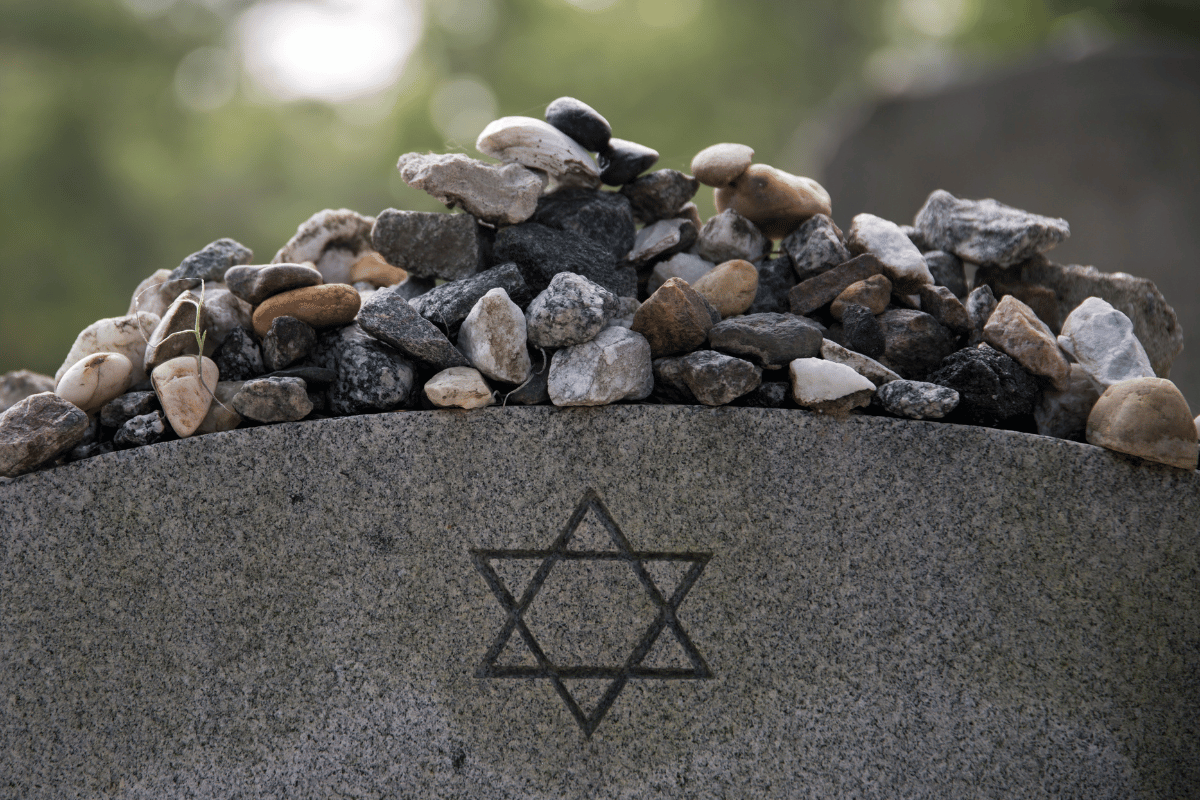
- Cemetery and burial permits
You can download forms ahead of time. It also helps to gather the decedent's Social Security number, veteran discharge papers if applicable, and any pre-planning or cemetery paperwork already on file. Our team can talk through any cost questions by phone, and you can also review Cost of a Jewish Funeral for general guidance.
Arranging Tahara and Shomer/Shmirah
Tahara is the ritual washing and purification that prepares a body for burial, traditionally performed with dignity and care by trained members of a chevra kadisha. You can read more on our Jewish Funeral Customs page.
Shmirah is the practice of a shomer (shomeret for a woman) staying with the deceased so they are never left alone before burial, often while reciting psalms. Eden Memorial Chapels arranges both according to your family's level of observance, whether Orthodox, Conservative, or Reform, and coordinates with your rabbi so every step reflects your wishes.
If Your Family Is Considering Cremation
Jewish tradition favors burial, and many rabbis encourage it as the most respectful path. Some families, particularly within Reform and some Conservative communities, choose cremation for personal reasons.
Eden Memorial Chapels arranges and coordinates cremation services with the same care we bring to burial, though we do not operate an on-site crematory. If your family is weighing this choice, we recommend speaking with your rabbi first; our directors can help arrange that conversation if needed.
Reaching Your Rabbi and Gathering Family
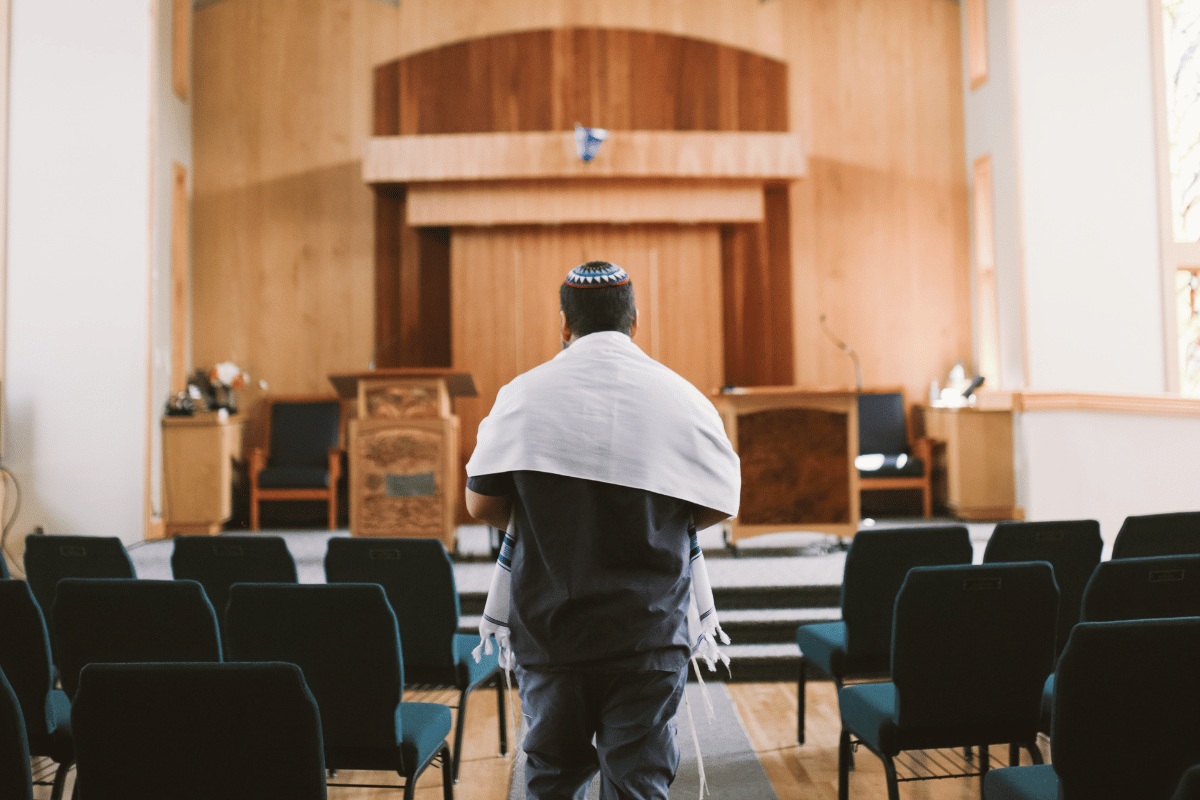
If your family has a rabbi, call them soon after the funeral home; many will want to help plan the service and answer questions about mourning customs like shiva. If you don't have a rabbi, Eden Memorial Chapels can help connect you with clergy serving Orthodox, Conservative, Reform, and interfaith families throughout New Jersey and New York.
This is also a good time to start calling close family and friends, since Jewish tradition encourages people to gather quickly and attend the burial together.
How Eden Memorial Guides You Through Every Step
Eden Memorial Chapels is family-owned and independent, not part of a corporate chain, and has served Jewish families across New Jersey and New York for over 30 years. Frank Patti, our Owner and Senior Director, and our funeral directors work directly with families from the first phone call through burial or cremation, coordinating with cemeteries, rabbis, and, when needed, transfers to Israel or worldwide shipping of remains.
Whether your family is Orthodox, Conservative, Reform, or interfaith, we shape each service around your traditions and comfort level.
Frequently Asked Questions About What to Do When a Jewish Loved One Dies
Here are answers to the questions families ask most often in the first hours after a loss.
What should I do in the first hour after a Jewish loved one dies?
Call 911 first if the death happens at home unexpectedly, so a doctor can pronounce it. If your loved one was in hospice or a hospital, staff there usually handle this step. Once the death is confirmed, call your funeral home right away. Eden Memorial Chapels answers day or night at (201) 947-3336, and a director will begin coordinating transportation, tahara, and shomer/shmirah with you, along with the documents your family will need in the days ahead.
Why do Jewish funerals happen so quickly?
Jewish law traditionally calls for burial within 24 hours of death out of respect for the body, a principle often called kevod hamet. Burial can be delayed for Shabbat, a major holiday, or to allow close relatives time to travel, but it isn't stretched out longer than necessary. A prompt burial often helps families move into mourning without a long wait. Your funeral director and rabbi can help you understand the right timeline for your family.
What documents do I need to plan a Jewish funeral?
You'll typically need the decedent's full legal name, date and place of birth, Social Security number, and any veteran discharge papers if they served. Your funeral director will request certified copies of the death certificate on your behalf, and most families order eight to ten copies for banks, insurance, and government agencies. If pre-planning paperwork or cemetery records already exist, gather those too. Eden Memorial Chapels can walk you through exactly what's needed during your first call.
What are tahara and shomer/shmirah?
Tahara is the ritual washing and purification of the body before burial, traditionally performed with care and dignity by members of a chevra kadisha. Shomer, or shomeret for a woman, refers to someone staying with the deceased so they are not left alone before burial, often while reciting psalms. Both practices reflect Jewish teaching that the body deserves ongoing respect after death. Eden Memorial Chapels arranges both according to your family's level of observance and your rabbi's guidance.
Is cremation allowed for a Jewish person?
Jewish tradition favors burial, and many rabbis, especially within Orthodox and Conservative communities, encourage it as the most respectful path. Reform and some Conservative families sometimes choose cremation for personal reasons, best decided with your rabbi's guidance. Eden Memorial Chapels arranges and coordinates cremation services when a family chooses that path, though we do not operate an on-site crematory, and we're glad to help you find a rabbi if you don't already have one.
When You're Ready, We're Here
There's no need to have every decision made before you call. Eden Memorial Chapels is available 24 hours a day, 7 days a week at (201) 947-3336, and a director will walk through the first steps with you at your own pace. Call a Director
Whenever you're ready, whether it's the middle of the night or a quiet afternoon, we're here to help your family through this with care.